
Euro 7 and electric cars: EU battery health rules start on 29 November

For the first time, the law will say how much of its battery a new EV is allowed to lose.

Published

Share:
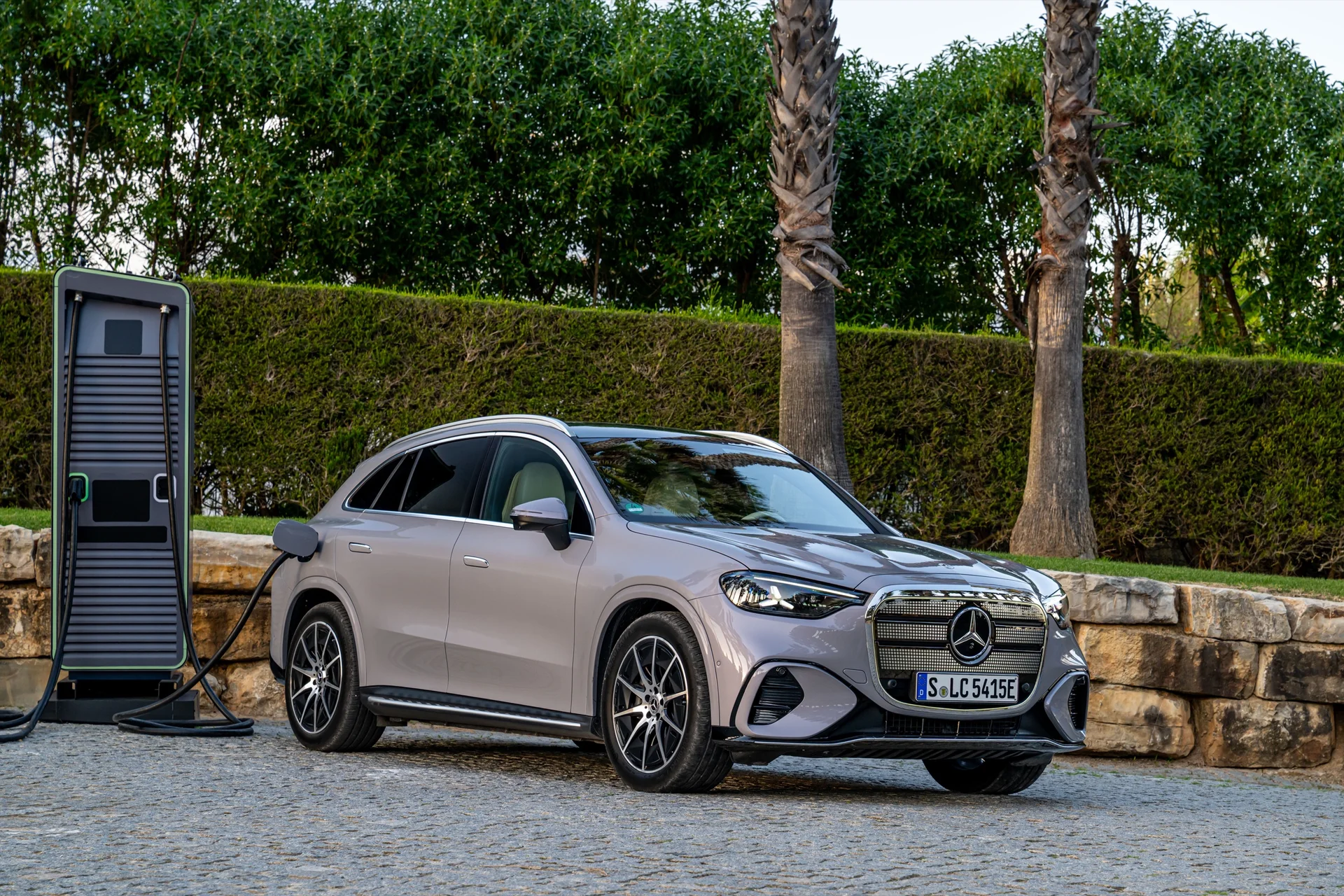
Electric Mercedes GLC plugged in at a charger
Source: Mercedes-Benz

Euro 7 arrives in the EU on Sunday 29 November, and it's the first emissions standard with real consequences for electric cars. From that date, new car models approved in the EU must prove their batteries keep at least 80% of their certified energy for five years or 100,000 km (62,000 miles), and at least 72% for eight years or 160,000 km (99,000 miles). They also need a battery health monitor that owners can read.

What Euro 7 requires of EV batteries

The rules sit in Regulation (EU) 2024/1257, which covers emissions and, for the first time, battery durability. Its minimums apply to fully electric cars and plug-in hybrids alike, and vans get slightly lower floors.

VehicleUp to 5 years or 100,000 kmUp to 8 years or 160,000 km
Cars80%72%
Vans75%67%

(Minimum share of certified battery energy, whichever of years or distance comes first. Source: Regulation (EU) 2024/1257, Annex II.)

The test is based on energy, not range. The regulation also has a column for range-based minimums, but it leaves the figures blank for now, so the 80% and 72% floors are measured against the battery's certified energy. In practice the two move together: a car rated at 500 km (310 miles) WLTP that's right on the minimum would still manage around 400 km (250 miles) at five years and 360 km (225 miles) at eight.

To show where a battery stands, cars must report two readings. The State of Certified Energy (SOCE) is the share of the original certified energy the battery can still store, and the State of Certified Range (SOCR) is the share of the certified WLTP electric range that's left. The regulation says users should have access to up-to-date state-of-health information from the car's own systems, and each vehicle also gets an Environmental Vehicle Passport. Exactly how the reading appears is up to the maker: a figure on the touchscreen, a page in the app or a digital battery passport are all possible.

Get the latest EV news and reviews straight to your inbox

Unsubscribe any time. See our privacy policy.

Who it applies to, and when

Euro 7 comes in two steps for cars and vans. From 29 November 2026, approval authorities must refuse type approval to new models that don't comply. Models already approved can carry on being sold, so most cars in showrooms today won't change overnight. From 29 November 2027, every new car and van registered, sold or put into service in the EU has to meet Euro 7, which is the date that really matters for buyers. Heavier vehicles such as buses and trucks follow from 2028.

Because it's an EU regulation, it applies directly in every member state, including Ireland, and the text is marked as relevant to the European Economic Area, which brings in Norway, Iceland and Liechtenstein. Great Britain is adopting Euro 7 for all new light-duty registrations from 29 November 2027, but chose not to impose the earlier date for brand-new models. Cars approved under EU rules can still be sold there, so most new models will meet it anyway.

Euro 7 isn't only about batteries. It's the first standard to limit particles from brakes and to set rules on tyre wear, and both apply to electric cars as well as petrol and diesel ones.

What it means if you're buying

For most EVs, the new floor is close to what manufacturers already promise. Volkswagen, for example, guarantees its batteries will keep at least 70% of their capacity for eight years or 160,000 km, so Euro 7's 72% at the same point is a small step up rather than a revolution. The difference is that it becomes a legal minimum for every new model, not a warranty term that varies by brand.

Real-world data suggests most batteries will clear it comfortably. Ford's figures for more than 36,000 Mustang Mach-Es showed an average of 92% battery health after about five years, well above the 80% Euro 7 floor at that age.

The bigger change will come in the used market, once Euro 7 cars start changing hands. A standard, comparable battery health figure should make it far easier to judge a used EV than it is today. That won't help with the millions of electric cars already on Europe's roads, though, because the rules don't apply to them. If you're buying a used electric car built before Euro 7, an independent battery health test is still the best way to know what you're getting.

(Correct at 26 November 2026.)