
LEVI fund EV charging: 1,500 on-street chargers for Tower Hamlets

London's first LEVI-funded contract is aimed squarely at drivers without a driveway, and 93% of Tower Hamlets homes don't have one.

Published

Share:
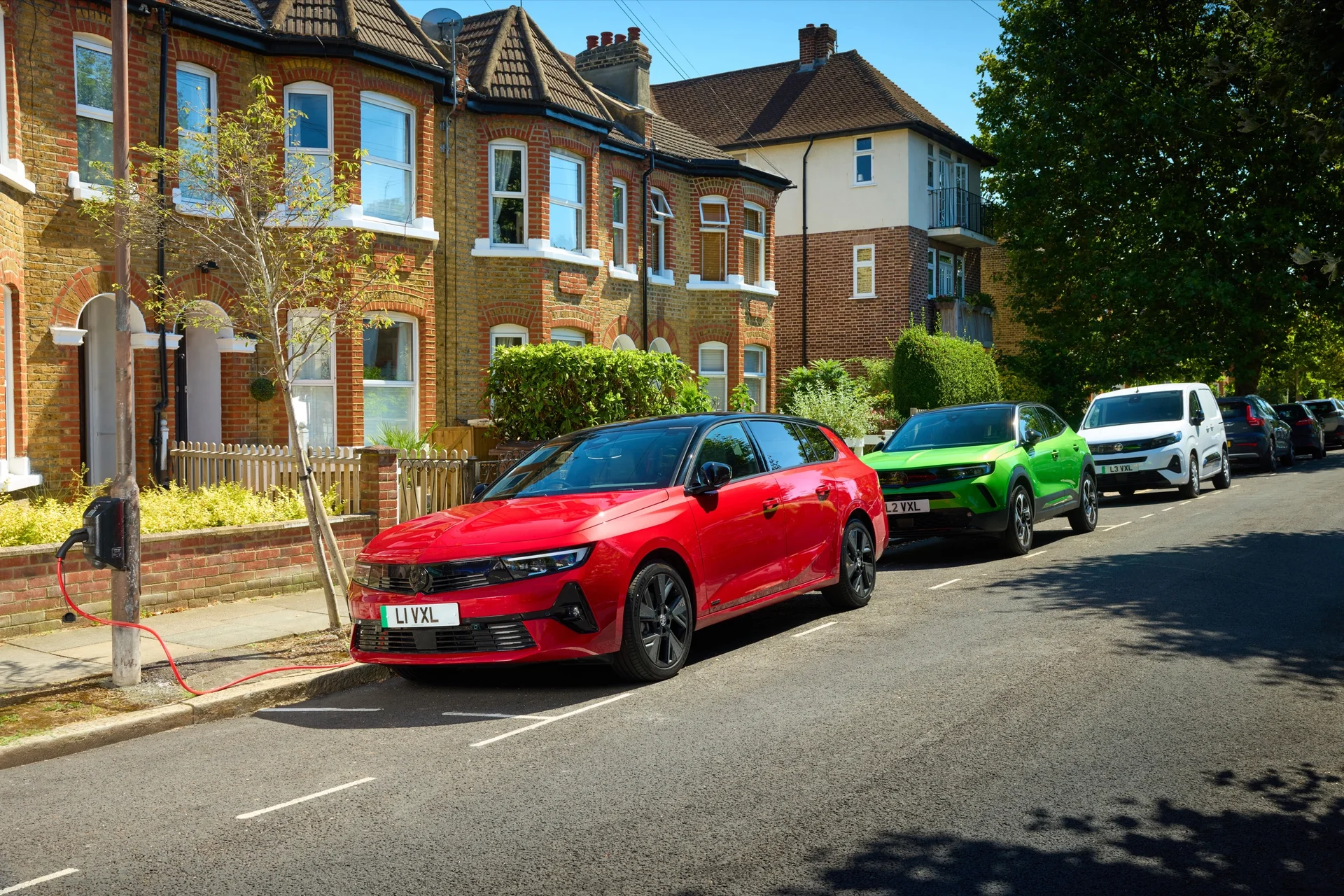
Red electric estate car charging from a lamp-post charge point on a residential street of terraced houses
Source: Vauxhall

London has its first charging contract paid for by the government's LEVI fund, and EV charging is about to get much easier in Tower Hamlets. The council has appointed TotalEnergies to install 1,504 public charging sockets of up to 22 kW across the borough over the next four years, backed by more than £1.2 million of government money. The first are due to go in this December.

It's the kind of area the fund was set up for. According to the council, 93% of households in Tower Hamlets have no off-street parking, so for most residents an EV means charging in the street.

What Tower Hamlets is getting

The new sockets are 22 kW AC chargers, the type you plug into overnight or while you're at work rather than stand beside for half an hour. Few cars can actually take 22 kW from an AC socket: most have an 11 kW on-board charger, and some only 7 kW. At 11 kW, adding 40 kWh, about 225 km (140 miles) at 3.5 miles per kWh, takes under four hours, so a car left overnight will usually be full by morning.

TotalEnergies will install and run the network and supply the electricity, which it says will all come from renewable sources. It already runs more than 3,200 charge points in London. The council says Tower Hamlets has about 2,350 public charge points already, and that installing more than 2,000 of them over the past year has taken it from the 19th to the 3rd highest concentration of public chargers in the country. Prices for the new chargers haven't been announced.

Get the latest EV news and reviews straight to your inbox

Unsubscribe any time. See our privacy policy.

How the LEVI fund works

The Local Electric Vehicle Infrastructure fund is a £381 million government scheme that helps councils in England pay for public chargers, mostly slower on-street ones, for residents who can't charge at home. When it launched, £343 million was set aside to help pay for chargers and £37.8 million for councils to hire and train staff to plan them. Each council runs a tender, and a private operator such as TotalEnergies installs and runs the chargers, with its own investment on top of the public money.

That's why the public contribution looks small. More than £1.2 million for 1,504 sockets is roughly £800 of government money per socket, with the operator covering the rest and earning it back through charging fees. The government expects LEVI to help deliver more than 100,000 new local chargepoints in England, on top of over 80,000 public chargepoints across the UK when it set that goal in June 2025.

If you can run a cable to your car instead, there's a cheaper route. Since 21 October, you no longer need planning permission in England for a cross-pavement charging channel, and a government grant covers 75% of the cost of a home charger, up to £500, if your council gives permission.

What on-street charging costs

This is the catch for drivers without a driveway. Public chargers cost about twice as much per kWh as electricity at home, partly because public charging carries VAT at 20%, while VAT on household electricity is 0% until 1 July 2027.

Where you chargePrice per kWh10,000 miles a year
Home, energy price cap26.32p£752
Public, slow and fast chargers54p£1,543

(Prices correct at 24 November 2026. The home rate is Ofgem's average direct debit cap for October to December 2026, excluding VAT until July 2027. The public rate is Zapmap's October 2026 average for pay-as-you-go charging at chargers up to 49 kW. Yearly costs assume 3.5 miles per kWh.)

Help is coming. The Budget 2026 set aside £100 million over two years, £50 million in 2027-28 and £50 million in 2028-29, to cut prices at lower-powered local chargers such as lamp-post and kerbside points. The Treasury expects prices to start falling in spring 2027, and says an average driver who charges on the street will save around £150 a year. Even at today's prices, the UK government's Electric Car Grant knocks up to £3,750 off an eligible new EV, and more than 190,000 drivers have used it so far.