
How long do electric car batteries last? Ford tracked 36,000

Five years and two billion miles on, Ford's first big batch of Mach-Es has barely lost any battery capacity.

Published

Share:
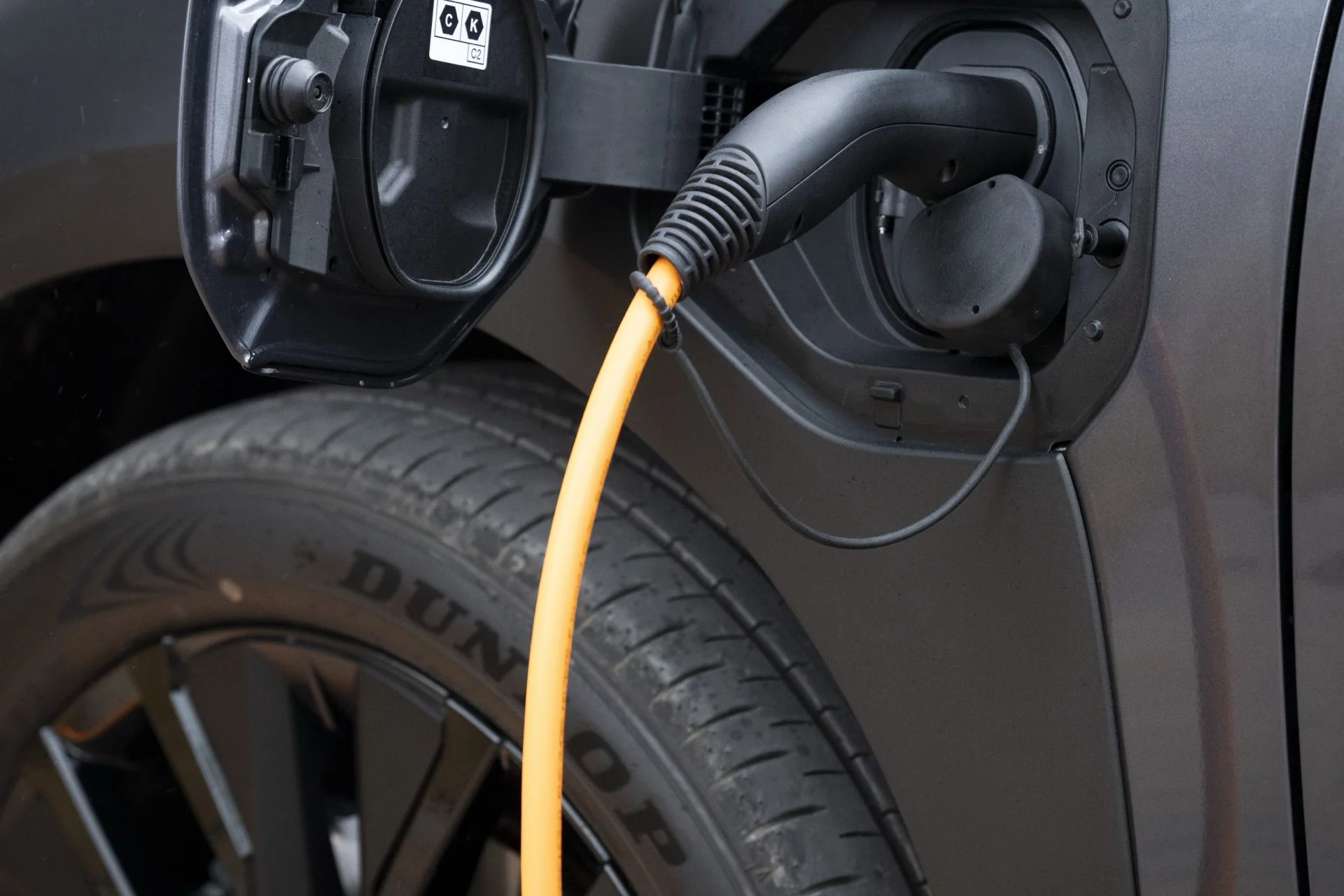
Charging cable plugged into the Toyota bZ4X Touring's charging port
Source: Toyota

If you've ever wondered how long electric car batteries last, Ford has just published a large set of real-world figures from a single model. After an average of 5.2 years, more than 36,000 Mustang Mach-Es from the 2021 model year still had 92% of their usable battery capacity, and that's across about two billion miles of driving.

What Ford's battery data shows

Ford's figures, published on 9 November and based on data from its connected cars up to August 2026, cover vehicles sold to retail and fleet customers in the US and Canada. It says 95% of the cars fell between 87% and 97% health, which matters as much as the average. An average can hide some very poor batteries, and this spread suggests very few cars are far from it.

The higher-mileage groups are smaller but more interesting if you cover plenty of ground. More than 2,000 owners have passed 100,000 miles (161,000 km) on the original battery, with an average of better than 91%. More than 30 drivers have gone past 200,000 miles (322,000 km), with an average of 88%.

Put those numbers into a real example. A car with a 500 km WLTP range when new would be rated at about 460 km at 92% health, and about 440 km at 88%. That's a noticeable change if you regularly use all of the range, but it's a long way from the collapse many buyers worry about.

Taken across 5.2 years, the 92% average works out at about 1.5 percentage points a year. Be careful with that sum, though, because batteries don't necessarily lose capacity at a steady rate, and the average car had covered far fewer miles than the high-mileage groups.

Get the latest EV news and reviews straight to your inbox

Unsubscribe any time. See our privacy policy.

How that compares with other research

These are Ford's own numbers, based on its own field study, so it's fair to look for an independent check. The closest comparison comes from Geotab, a fleet telematics company. Its January 2026 study of more than 22,700 EVs across 21 makes and models put average degradation at 2.3% a year.

That's slightly worse than the Ford figure, and the study also suggested what may make the difference. Cars that relied heavily on DC fast charging above 100 kW lost about 3.0% a year, around double the 1.5% seen in cars mainly charged on AC or at lower power. Hot climates also added about 0.4 percentage points a year.

Regulators are setting minimum standards as well. Euro 7 rules require an EV battery to keep at least 80% of its original capacity after five years or 100,000 km, and 72% after eight years or 160,000 km. The Mach-E average comfortably beats that first threshold, although the cars weren't tested under those rules and the regulation's tests differ from Ford's data.

Ford says it designed these packs to last at least 10 years. It also says that across the battery-electric models it has launched in the US and Canada in the last five years, average health is above 90% at 100,000 miles, which again comes from its own study.

What it means for buyers in Ireland, the UK and Europe

European Mach-Es weren't part of this dataset, so you can't assume that the same figures will apply to a car bought here. Climate, charging habits and battery specification can all be different. The cars in Ford's study also all used NCM chemistry, which means the results don't tell you how the LFP batteries in some newer EVs will age.

What you can rely on is the warranty. Ford's European service information covers the Mach-E's high-voltage battery against capacity falling below 70% within eight years or 160,000 km. On a five-year-old used car, that could leave about three years of cover, subject to the mileage limit, which is worth checking before you buy. Our recent look at used electric cars in the UK shows that more buyers are making that decision, with about one in 20 used car buyers now going electric.

If you're looking at a used EV, ask for a battery state-of-health report from a dealer or an independent test. A single figure says more when you compare it with the car's age and mileage, and Ford's 87% to 97% spread gives you a rough guide for a Mach-E of this age. A five-year-old car well below that range deserves some questions.

Ford's advice on looking after a battery is fairly simple. Use slower AC charging at home for daily driving and keep DC rapid charging for when you need it. Precondition the car while it's still plugged in, park in the shade in hot weather, and follow the charge-level advice in the Ford app. NCM packs like these generally don't need frequent charges to 100% for daily use, while Ford says the LFP batteries in some newer models do benefit from an occasional full charge to keep the battery management system calibrated.