
Energy price cap January 2027: what it costs to charge an EV at home

Home charging on a standard tariff is about to cost a quarter more, which makes a proper EV tariff worth far more than it was.

Published

Share:
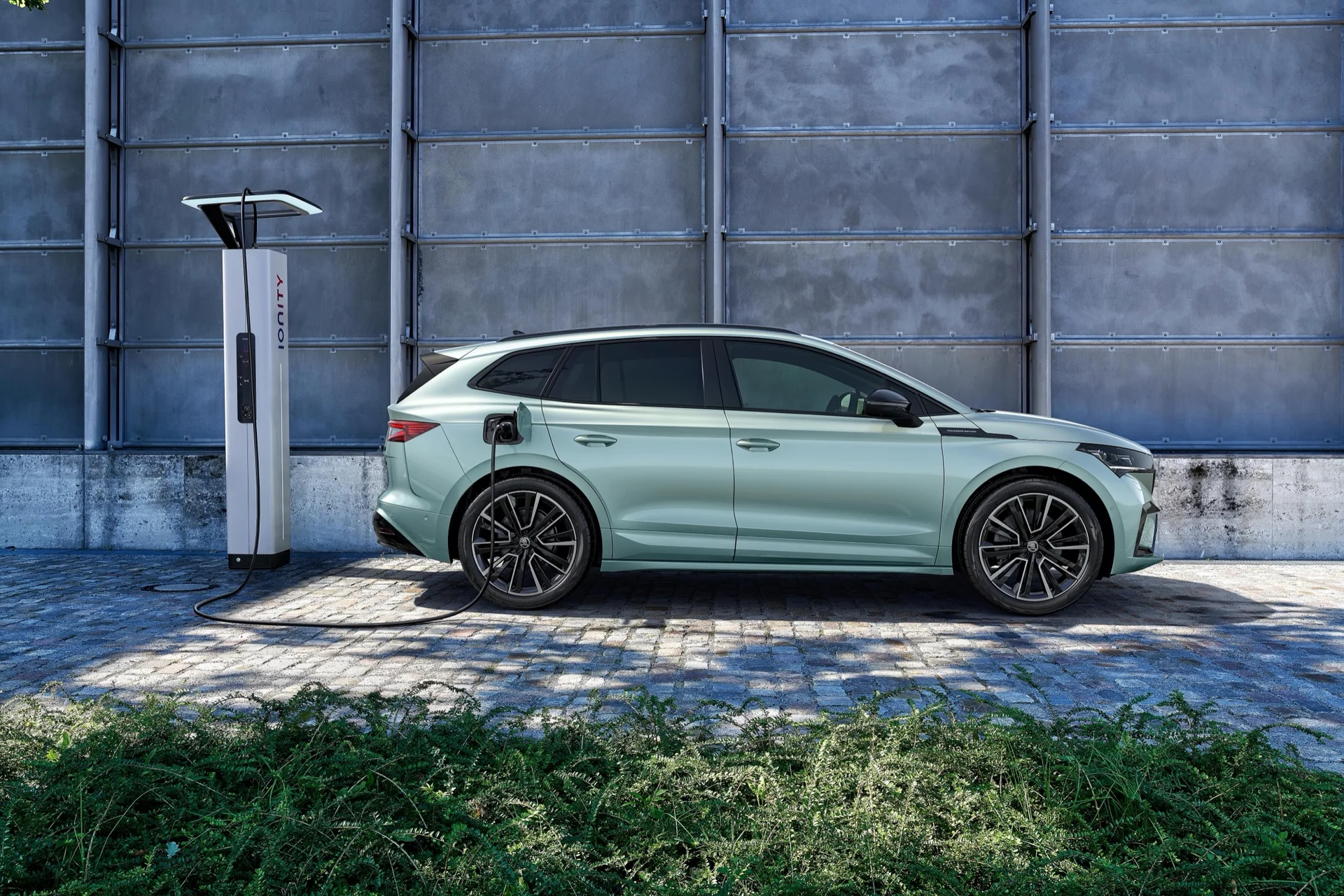
Green Skoda Enyaq iV plugged in at a charging point
Source: Skoda

Charging an electric car at home is about to get noticeably dearer for anyone on a standard tariff. Ofgem's energy price cap for 1 January to 31 March 2027 puts the average electricity unit rate at 32.69p per kWh, up from 26.32p now, which means filling a 60 kWh battery from empty goes from about £15.79 to £19.61.

Overall, the cap rises 26% for a typical household, from £1,723 to £2,166 a year, driven mainly by wholesale gas prices. It applies to around 20 million households on standard variable tariffs in England, Scotland and Wales.

What the new energy price cap costs an EV driver

The daily standing charge barely moves, from 54.83p to 54.77p, so the increase lands on the unit rate, which is what charging a car uses. Here's what a full charge from empty costs at the average Direct Debit rate, before charging losses.

BatteryNow (26.32p)From 1 January (32.69p)Off-peak EV tariff (6.5p)
40 kWh£10.53£13.08£2.60
60 kWh£15.79£19.61£3.90
80 kWh£21.06£26.15£5.20
100 kWh£26.32£32.69£6.50

(Average price cap rates for Direct Debit customers, 1 October to 31 December 2026 and 1 January to 31 March 2027, from Ofgem. Rates vary by region. There's no VAT on household electricity until 30 June 2027. Figures correct at 26 November 2026.)

Cost per distance is more useful. A car using 17 kWh per 100 km (62 miles) costs about £4.47 per 100 km at the current cap and £5.56 from January. Over 12,000 km (7,500 miles) a year, all charged at home, that's roughly £537 rising to £667, about £130 more if the rate held for a year.

Get the latest EV news and reviews straight to your inbox

Unsubscribe any time. See our privacy policy.

How it compares with EV tariffs and public charging

Dedicated EV tariffs aren't default tariffs, so the cap doesn't set their rates. E.ON Next Drive Smart charges 6.5p per kWh for the whole home from midnight to 6am, plus any daytime smart-charging slots. Intelligent Octopus Go smart-charges eligible cars from 6.5p per kWh for up to six hours a day.

Where you chargePrice per kWhCost per 100 km
E.ON Next Drive Smart, off-peak6.5p£1.11
Intelligent Octopus Go, off-peak6.5p£1.11
Home, price cap now26.32p£4.47
Home, price cap from 1 January32.69p£5.56
Public chargers up to 49 kW (average)54p£9.18
Rapid and ultra-rapid chargers (average)82p£13.94

(Cost per 100 km for a car using 17 kWh per 100 km. Public averages from Zapmap's October 2026 index. EV tariff rates from E.ON Next and Octopus Energy, 26 November 2026.)

Even at 32.69p, home charging on the cap costs about 40% less than the average UK public charging price at slower chargers, and less than half the rapid-charger average. Public charging also carries 20% VAT, while VAT on household electricity has been cut to zero until 30 June 2027, a change from the 2026 Budget.

The catches

EV tariffs need a compatible car or home charger that the supplier can control, and the cheap rate only covers the hours it schedules or the overnight window. Other electricity is charged at a day rate that varies by region, so check your own quote rather than the headline rate.

Around 10 million households on fixed deals won't see this increase while their deal lasts, and the government is giving around 20 million households £100 towards their bills from January. That helps, but it doesn't change the unit rate.

Who should act

If you charge at home on a standard variable tariff, this is the clearest reason yet to switch to an EV tariff: over 12,000 km a year, the gap between 32.69p and 6.5p is more than £500. If your car or charger isn't supported by a smart tariff, compare fixed deals before January. Ofgem updates the cap every three months, so April's rate could be higher or lower.