Volkswagen has temporarily stopped work on the electric Golf. The company confirmed on 30 October that it will "temporarily pause development work on the future ID.Golf" until it can secure the investment the car needs, and it hasn't said when work will start again.
The ID. Golf hasn't been cancelled, and VW still describes it as a future model. But the pause leaves the most important name in Volkswagen's range without a firm electric future, and anyone hoping to buy a VW Golf electric this decade now has more reason to look elsewhere.
What Volkswagen has said
The news came in the nine-month results for VW's Brand Group Core, which covers Volkswagen, Skoda, Seat and Cupra and VW's vans. The pause sits in a list of cost measures: task forces to cut the cost of each car, lower spending on future projects, and tighter control of cash. Brand chief Thomas Schäfer told staff the company simply can't afford the work at the moment, and called it a difficult decision given what the Golf means to the Wolfsburg factory, which is about €300 million behind its yearly cost-cutting target.
The ID. Golf was due to be one of the first cars on VW's new Scalable Systems Platform (SSP), the architecture meant to cut complexity and cost across the group's next generation of electric cars, with software developed in a joint venture with Rivian. It was originally planned for 2028. Earlier this year, Schäfer said the launch would move closer to 2030 because the platform was taking longer than expected.
Whether the pause delays it again isn't clear. VW's works council says the lost time can be made up and still expects the car around 2030. Volkswagen itself has given no new date.
Why VW is cutting back
The figures explain the pressure. In the first nine months of 2026, Brand Group Core made an operating profit of €4.33 billion on sales of €106.4 billion, down from €4.72 billion a year earlier, a margin of 4.1%. Net cash flow fell from €4.34 billion to €1.43 billion. The Volkswagen car brand on its own made €813 million, down from €1.48 billion, a margin of just 1.3%.
The wider Volkswagen Group had a much worse quarter. It made an operating loss of €5.86 billion between July and September, mostly because of a €6.4 billion write-down of its stake in Porsche, and its operating profit for the nine months fell to €71 million. Group finance chief Arno Antlitz said VW can't afford to lose any time and must act quickly.
Electric cars are part of the problem and part of the solution. Demand is rising quickly: VW Group's European orders for electric cars are up 39% this year, and they make up about 40% of its European order bank. The new small cars, the ID. Polo, ID. Cross, Skoda Epiq and Cupra Raval, have taken about 150,000 orders between them. But VW says its electric models still don't earn the margins of its petrol and diesel cars, so every new EV programme now has to justify the spending.
What to buy instead
For buyers, the pause changes little in the short term, because the electric Golf was always years away. Volkswagen already sells three electric cars that cover most of the ground a Golf would.
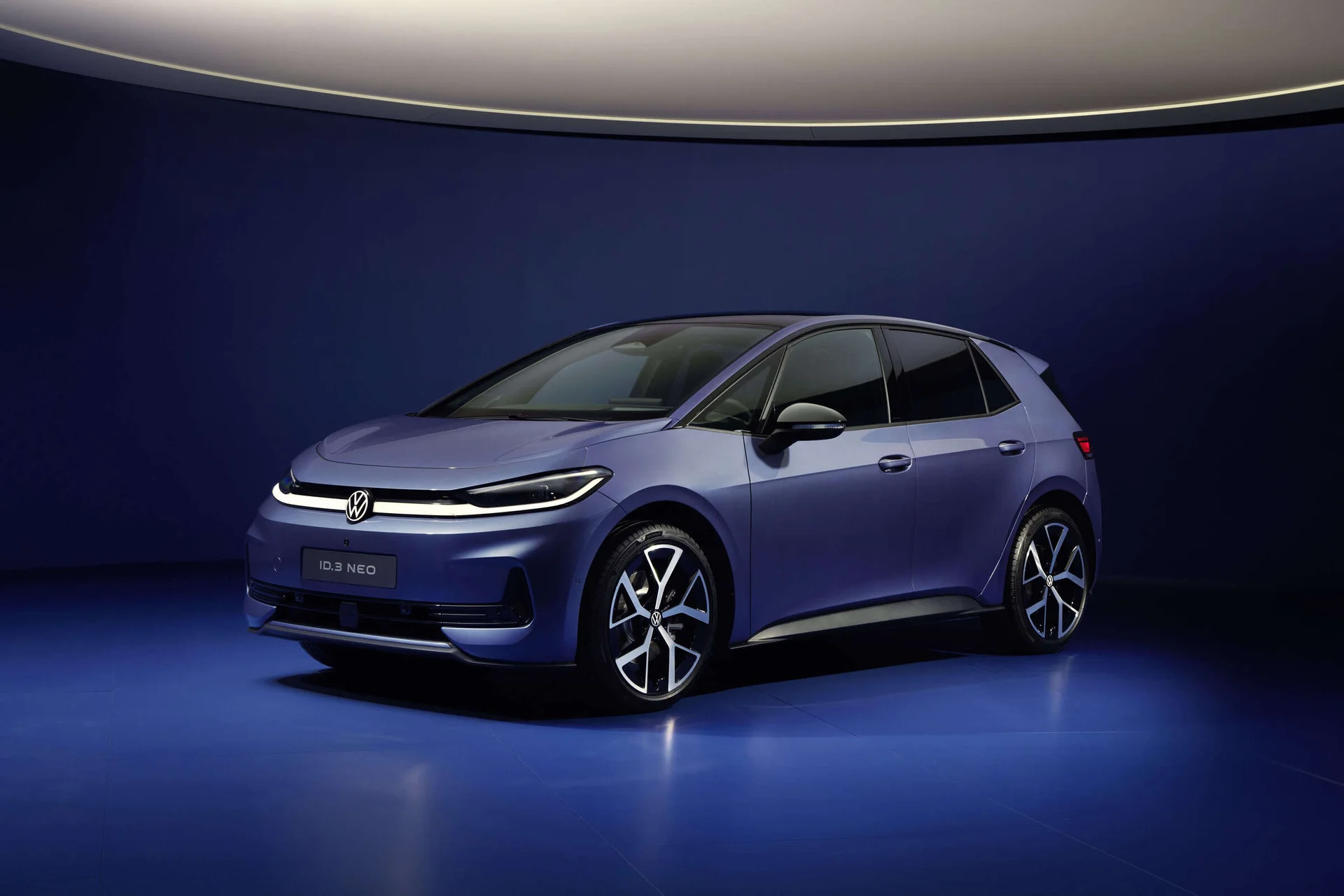
The ID.3 Neo is the closest thing to an electric Golf you can buy today. It's the updated ID.3, with a new interior, a 12.9-inch central screen, batteries of 50, 58 and 79kWh and a WLTP range of up to 630 km (391 miles). It costs from €33,995 in Germany and from £33,080 in the UK, where every version qualifies for the £1,500 Electric Car Grant.
The ID. Polo is smaller but surprisingly practical, with a 441-litre boot. It costs from €19,885 in Ireland after the SEAI grant and VRT relief, €24,995 in Germany and £23,945 in the UK, with up to 454 km (282 miles) of range.
If you need more space, the ID. Tiguan replaces the ID.4. It costs from €38,635 in Ireland and €42,695 in Germany, with up to 600 km (373 miles) of range. Irish orders open on 9 November, with the first cars due in April 2027.
(Prices correct at 4 November 2026. The Irish ID. Polo price includes the SEAI grant and VRT relief. UK prices are before the Electric Car Grant.)
The petrol and mild-hybrid Golf remains on sale in the meantime. If Volkswagen sticks to its works council's timetable, the first electric Golf would still arrive around 2030. We'll update this story when VW says when development will restart.