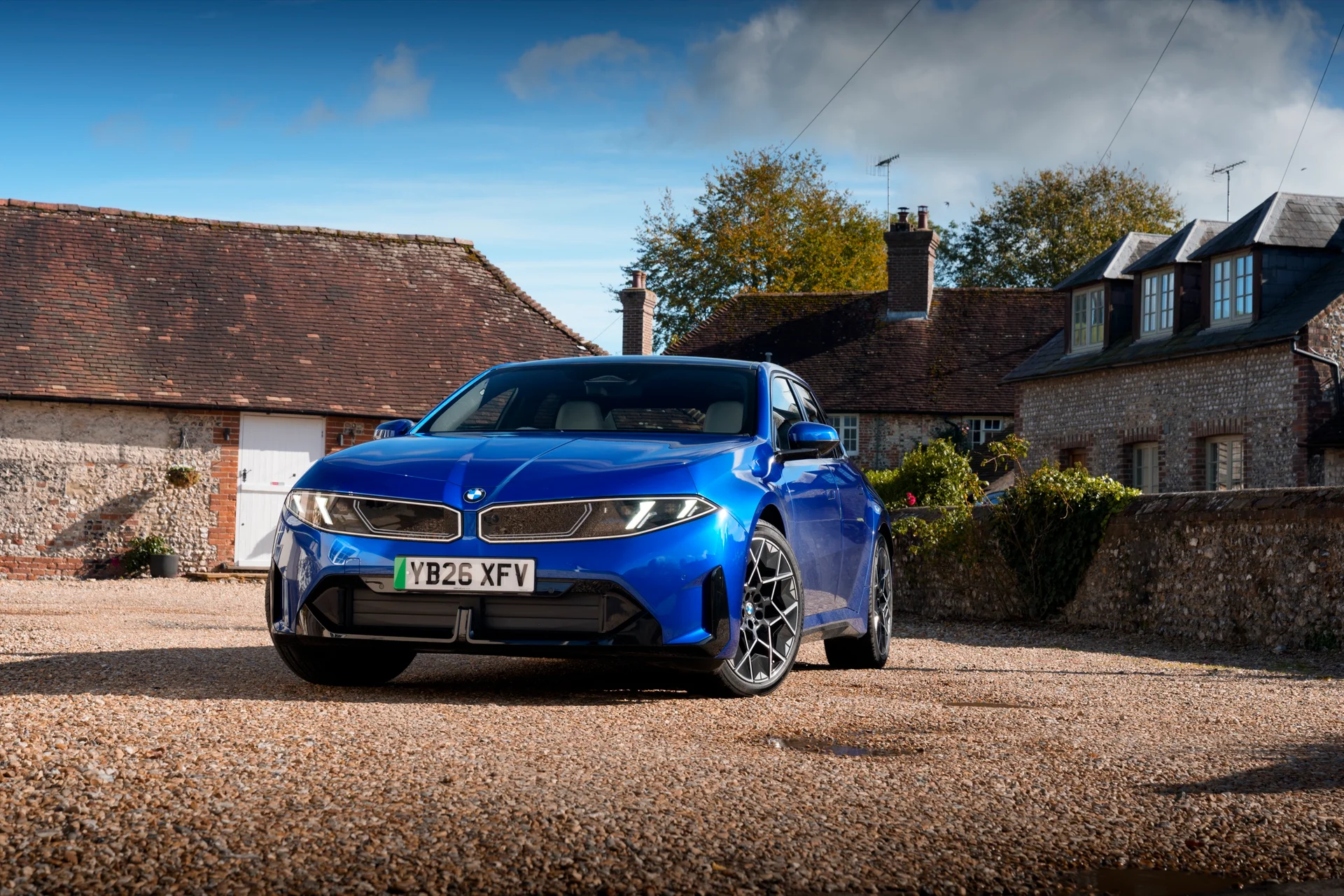
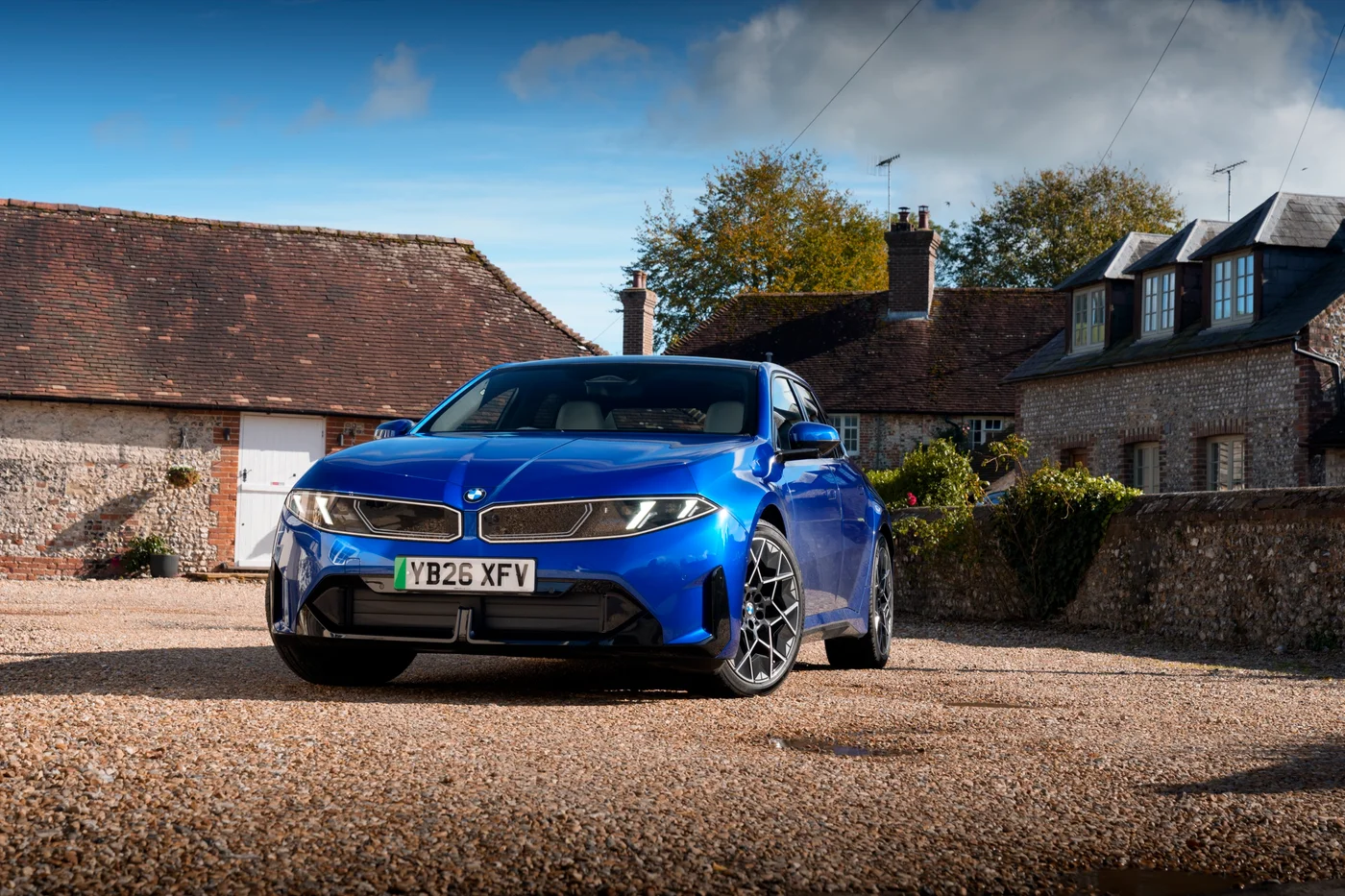
BMW has sold more than 18 million 3 Series since 1975, and for most of that time the formula barely changed: a petrol or diesel engine at the front, the rear wheels doing the work. The new BMW i3 is the first 3 Series with no engine at all, and it borrows a name last worn by BMW's carbon-fibre city car. Anyone opening a BMW i3 review expecting that quirky hatchback is in for a surprise: this one is a 4.76-metre saloon with up to 912 km of WLTP range and 400 kW charging.
It starts at €57,891 in the Netherlands and €59,900 in Germany for the i3 40 xDrive, and at £47,925 in the UK. In Ireland, BMW has so far priced only the bigger-battery i3 50 xDrive, from €66,685. Both versions have two motors and all-wheel drive, and both charge from 10% to 80% in 21 minutes.
Key specs
| i3 40 xDrive | i3 50 xDrive | |
|---|---|---|
| Irish price | not yet listed | from €66,685 |
| UK price | from £47,925 | from £53,425 |
| Battery (usable) | 82.8kWh | 108.7kWh |
| WLTP range | 566-710 km (441 miles) | 729-912 km (566 miles) |
| Peak DC charging | 300 kW | 400 kW |
| 10-80% DC charge | 21 minutes | 21 minutes |
| AC charging | 11 kW (22 kW optional) | 11 kW (22 kW optional) |
| Power | 275 kW (374 hp) | 345 kW (469 hp) |
| 0-100km/h | 5.4 seconds | 4.7 seconds |
| Boot | 420 litres + 31-litre frunk | 420 litres + 31-litre frunk |
| Length | 4,760 mm | 4,760 mm |
| Grants | none | none |
(Figures are BMW's provisional European data. UK ranges are BMW UK's figures for UK-specification cars.)
Prices and trims
| Market | i3 40 xDrive | i3 50 xDrive | i3 50 xDrive First Edition |
|---|---|---|---|
| Netherlands | €57,891 | €63,946 | not confirmed |
| Germany | €59,900 | €65,900 | not confirmed |
| Ireland | not yet listed | €66,685 | €72,855 |
| France | not confirmed | not confirmed | not confirmed |
| UK | £47,925 | £53,425 | £57,905 |
(Prices correct at 4 November 2026. Dutch prices are BMW's recommended retail prices from 1 November 2026. Irish and UK prices are on the road.)
BMW opened orders early, in June 2026, with a First Edition of the i3 50 xDrive, and added the cheaper i3 40 xDrive when the full range was announced at the end of September. First UK and Irish deliveries start this autumn.
The i3 doesn't qualify for any grant in the UK or Ireland. The UK's Electric Car Grant only covers cars up to £37,000. The i3 40 xDrive does dodge one cost, though: from April 2026 electric cars only pay the expensive car supplement on road tax if their list price is over £50,000, so at £47,925 it avoids it, while the i3 50 xDrive doesn't. In Ireland, the i3 50 xDrive is well above the €50,000 point where VRT relief on electric cars runs out, and too expensive for the SEAI grant. An Irish price for the i3 40 xDrive should tell us whether it gets any closer.
Source: BMW
In the UK there are three trims. The standard car comes with 19-inch alloy wheels, Driving Assistant Plus with adaptive cruise control, heated and electrically adjustable front seats, keyless Comfort Access, BMW Digital Premium, a reversing camera, Econeer upholstery made from recycled polyester, wireless phone charging and the storage space under the bonnet.
The M Sport adds 19-inch M alloys, M Sport brakes with blue callipers, the M body styling, a sports steering wheel, ambient lighting and Veganza synthetic leather upholstery. The M Sport Pro adds electrically adjustable M Sport seats, red brake callipers, M seat belts, black mirror caps, sun protection glass and BMW Iconic Glow, which lights up the outline of the grille with three animations to choose from.
The First Edition is based on the M Sport and adds Iconic Glow, the 3D head-up display, 22 kW AC charging, electrically adjustable multifunction seats, three-zone climate control, a heated steering wheel, a Harman Kardon sound system and an electric tailgate. In Ireland, it costs €6,170 more than the standard i3 50 xDrive.
Battery, range and charging
Source: BMW
The i3 uses BMW's sixth-generation electric drive, shared with the iX3 SUV, with an 800-volt system and new cylindrical battery cells built straight into the pack. The battery case also forms the floor of the car, which saves weight and makes the body stiffer.
The i3 50 xDrive has 108.7kWh of usable capacity and a WLTP range of 729-912 km, depending on wheels and equipment. BMW UK quotes 566 miles for UK-specification cars. For most drivers, that means charging once a week or less. The i3 40 xDrive has an 82.8kWh battery and a WLTP range of 566-710 km (441 miles), which is still more than any of the rivals below.
Efficiency helps. The i3 has a drag coefficient of just 0.21, and BMW quotes WLTP consumption of 13.4-18.0 kWh/100 km for the i3 50 xDrive and 14.3-17.9 kWh/100 km for the i3 40 xDrive. At motorway speeds, BMW's own figure rises to 16.7-22.0 kWh/100 km for the bigger battery, which is a more honest guide if you mainly do long trips.
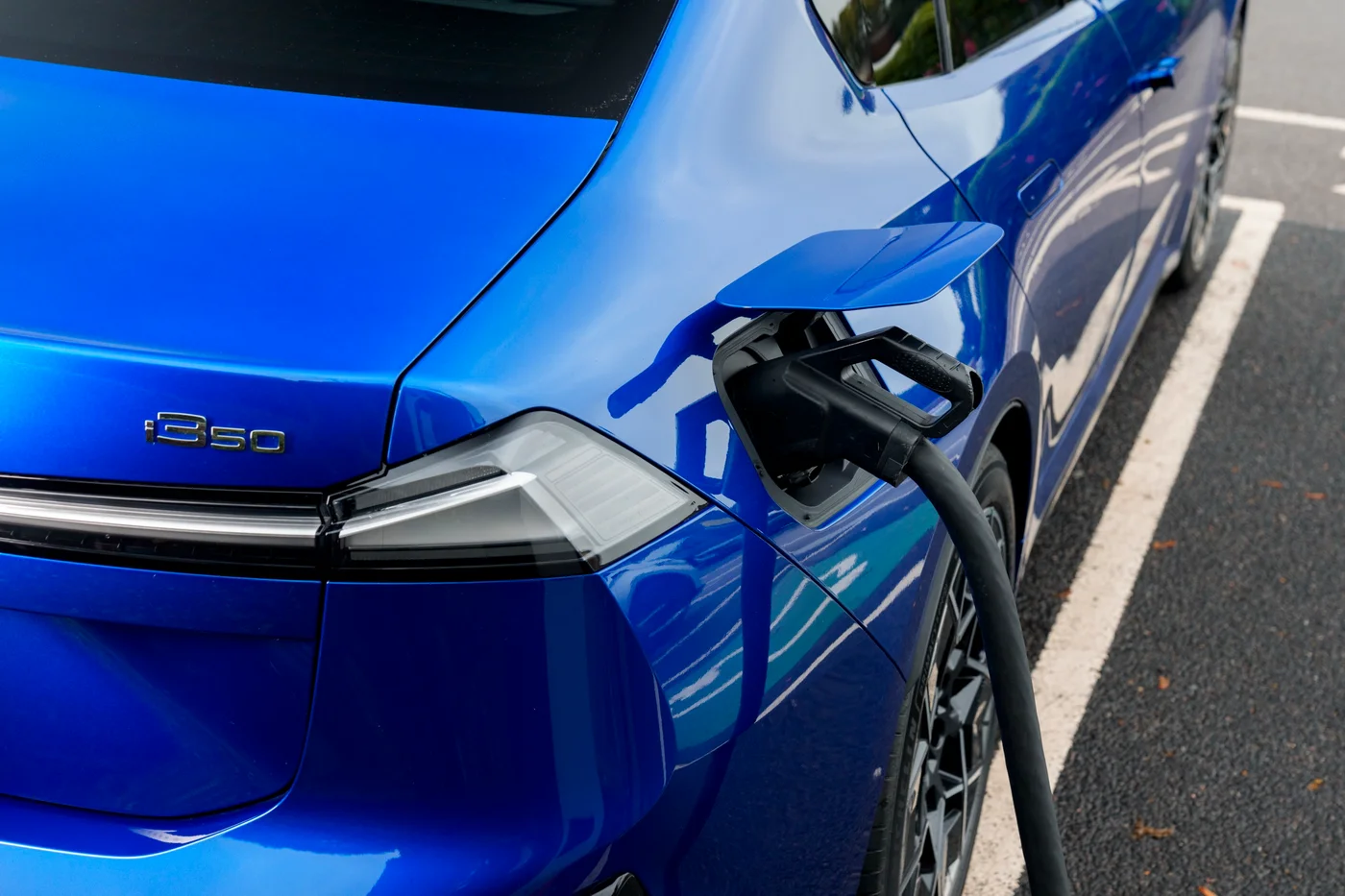
The i3 50 xDrive charges at up to 400 kW and the i3 40 xDrive at up to 300 kW, and both take 21 minutes from 10% to 80% on a fast enough charger. In ten minutes, BMW says the i3 50 xDrive can add up to 423 km of WLTP range and the i3 40 xDrive up to 337 km. The car can also use older 400-volt chargers. If you navigate to a fast charger with BMW Maps, the battery warms or cools itself on the way so it charges faster when you arrive, and you can start that manually too. Plug & Charge means you don't need a card or app at compatible chargers.
At home, the standard 11 kW AC charger fills the big battery from empty in 11 hours on a three-phase supply, and the optional 22 kW charger cuts that to 5 hours 30 minutes. The i3 40 xDrive takes 8 hours 15 minutes at 11 kW.
The i3 also supports bidirectional charging. It can power the house or feed the grid at up to 11 kW through BMW's compatible equipment, and an optional adapter supplies up to 3.7 kW to plug-in appliances.
Performance
Source: BMW
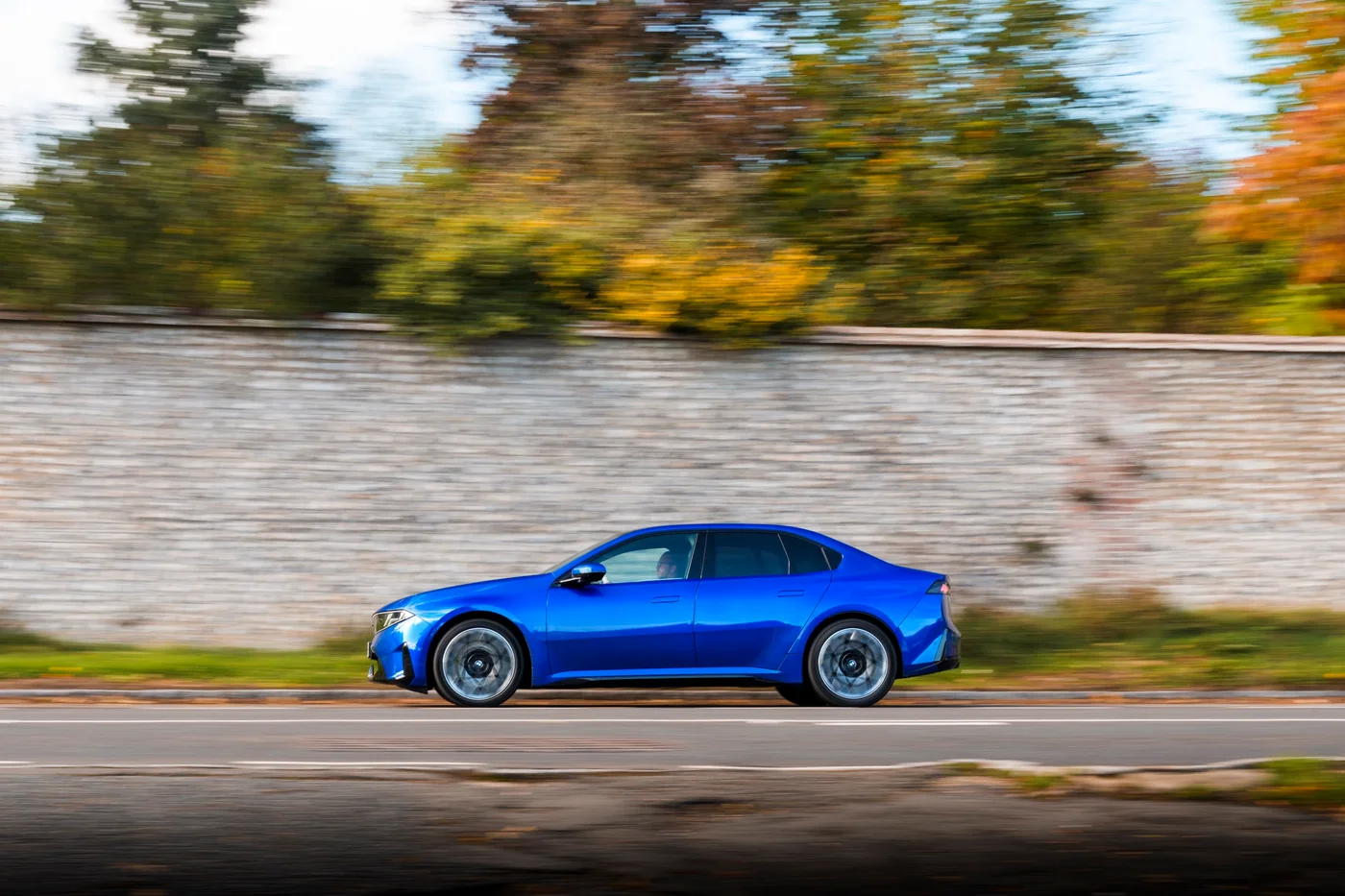
Both versions have an electrically excited synchronous motor on the rear axle, which uses no rare-earth magnets, and a smaller induction motor on the front axle that joins in when extra grip or power is needed. BMW says the combination cuts energy losses by 40% compared with its previous generation.
The i3 50 xDrive makes 345 kW (469 hp) and 645 Nm and gets from 0-100km/h in 4.7 seconds. The i3 40 xDrive has 275 kW (374 hp) and 520 Nm and takes 5.4 seconds. Either is quicker than most buyers will ever need, and both are limited to 200 km/h (124 mph). A faster i3 M60 xDrive arrives in 2027.
A new computer BMW calls the Heart of Joy controls the motors, brakes, steering and energy recovery together, and BMW says it reacts ten times faster than its previous systems. In everyday driving, the motors do almost all of the braking, and the friction brakes only come in for hard stops or sporty driving. A Soft Stop function uses the motors to bring the car to a smooth halt without the usual jolt at the end. Adaptive M suspension is an option.
Size and practicality
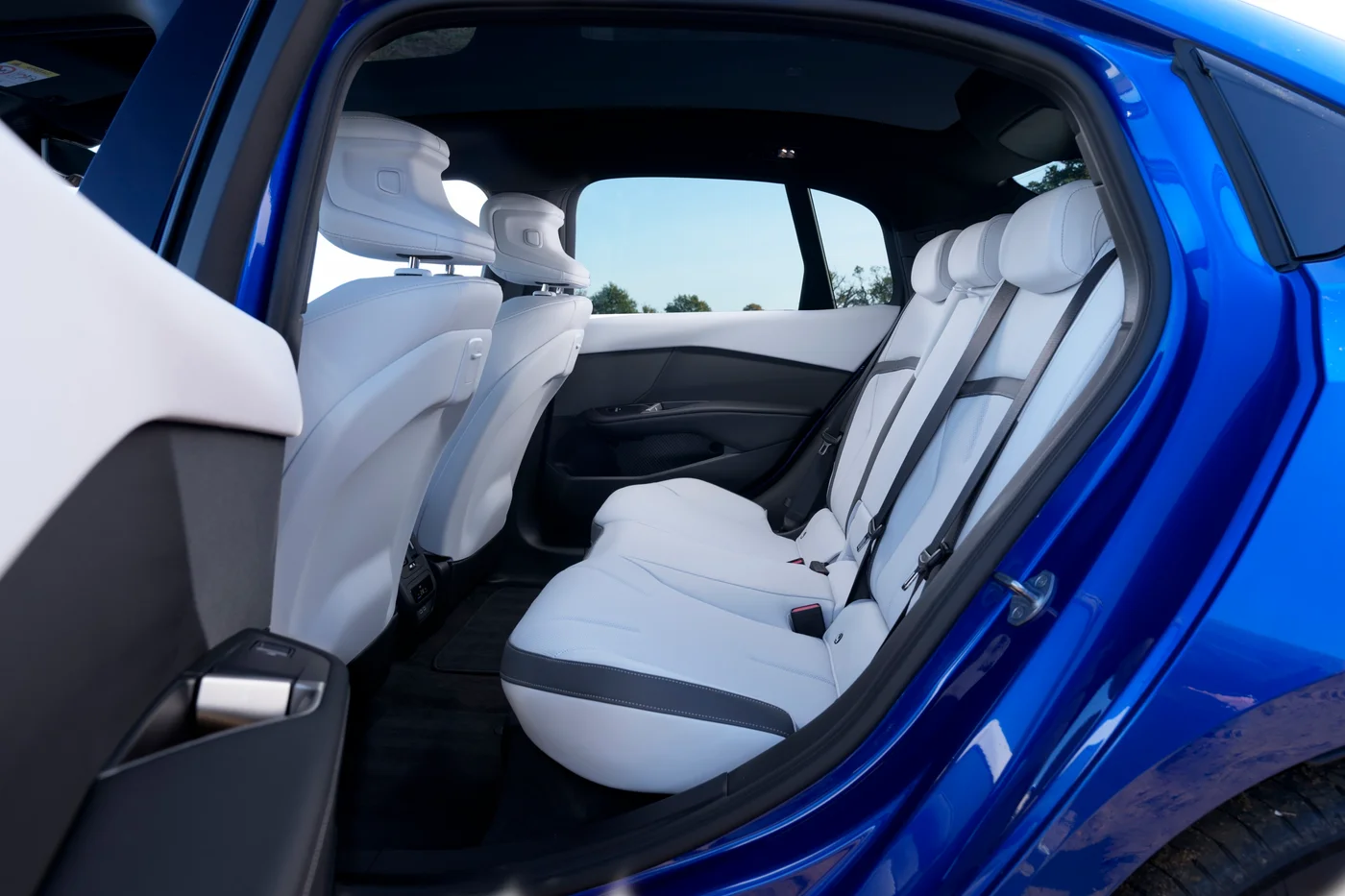
At 4,760 mm long, 1,865 mm wide and 1,480 mm tall, the i3 is a mid-size saloon, with a long 2,897 mm wheelbase and short overhangs. Its turning circle is 12.2 metres.
Source: BMW
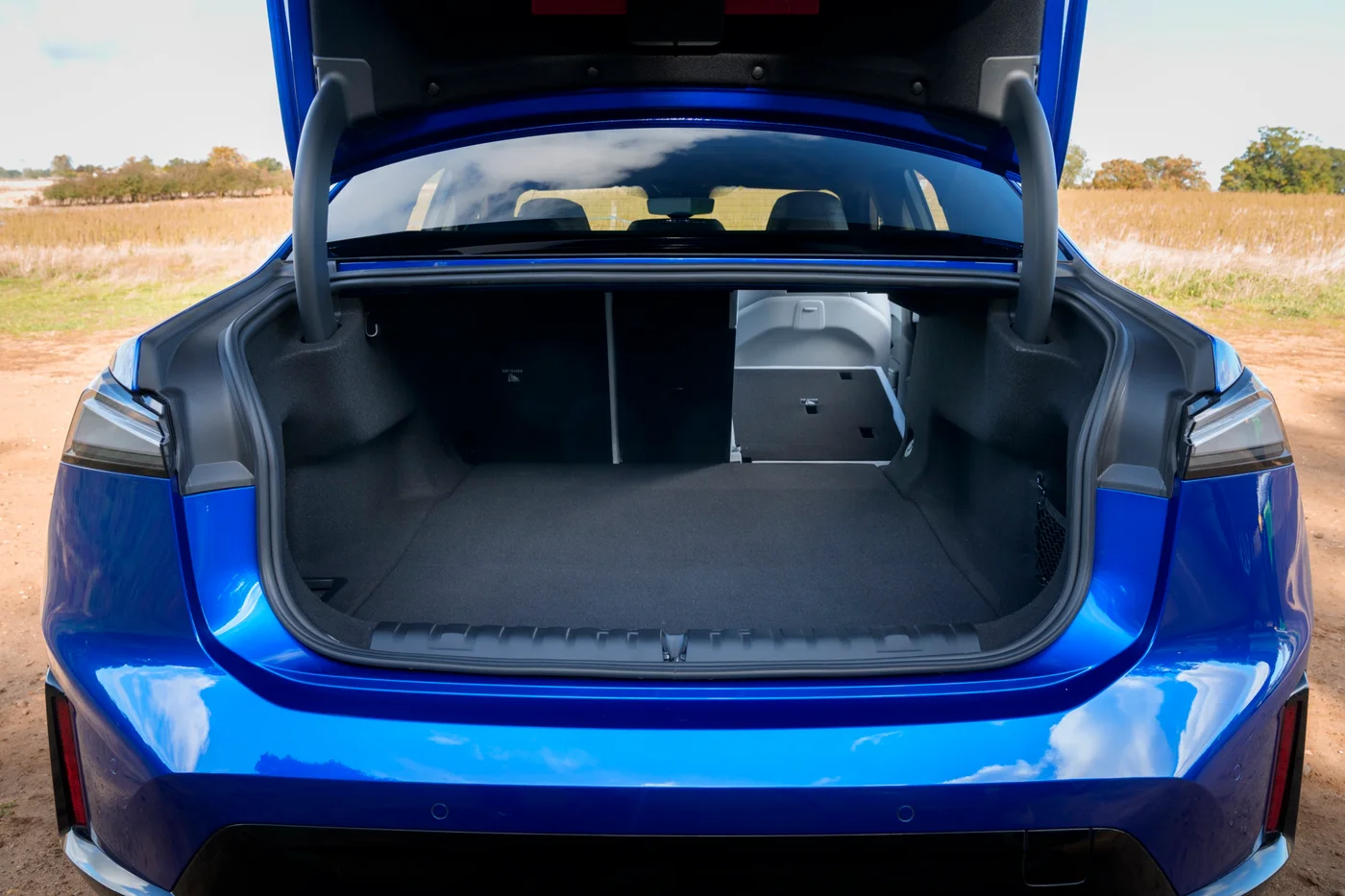
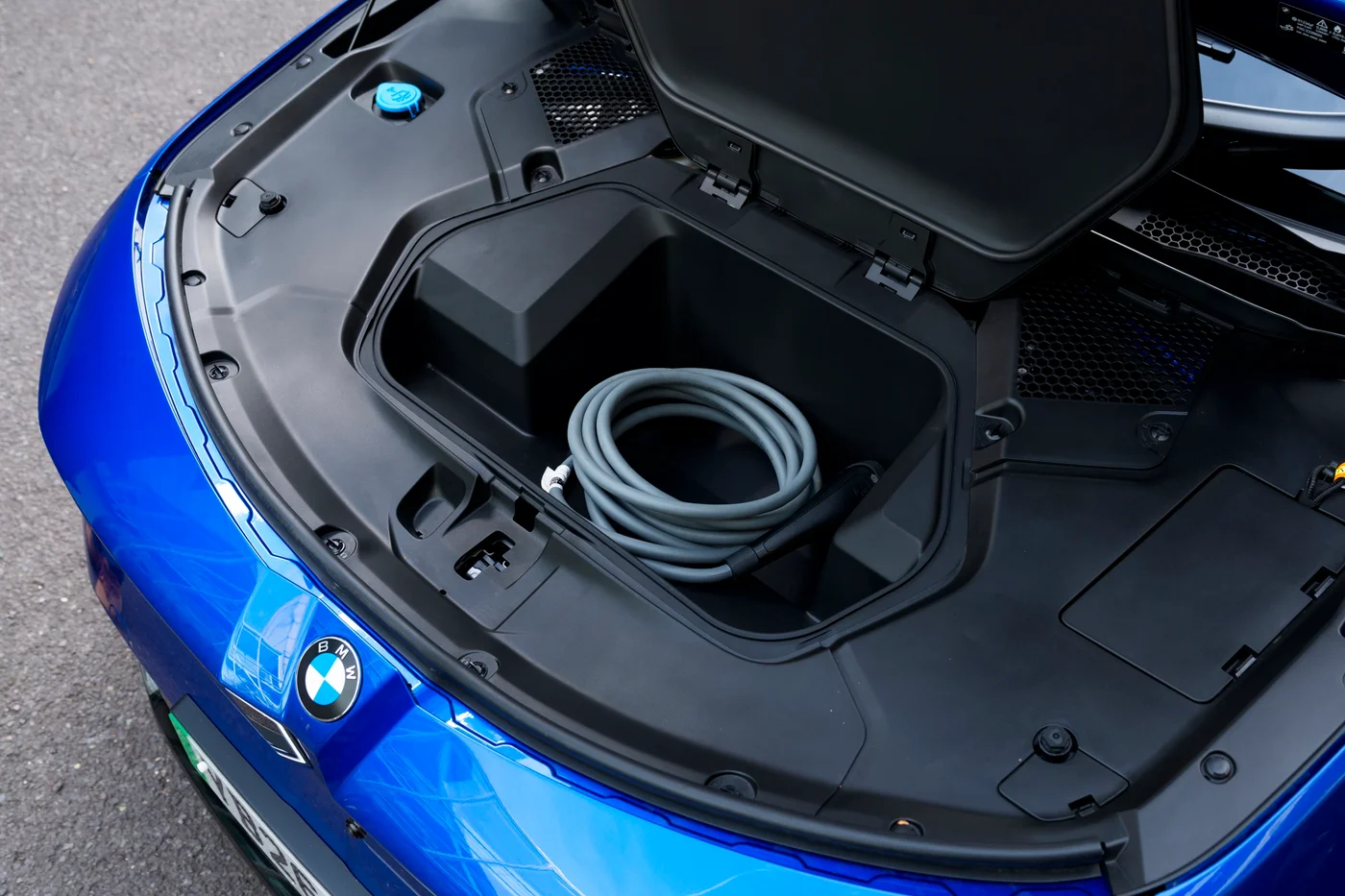
The boot holds 420 litres, which is 30 litres less than the petrol 3 Series. It's a saloon, so the opening is narrower than a hatchback's, but the rear seats fold 40:20:40, which lets you carry long items and still seat two in the back. There's also a 31-litre compartment under the bonnet, big enough for the charging cable.
Source: BMW
Towing is better than you might expect from an electric saloon. Both versions can pull 1,800 kg with a braked trailer and 750 kg unbraked, and BMW offers an electrically folding tow bar. The i3 is heavy, though: 2,205 kg for the i3 50 xDrive and 2,090 kg for the i3 40 xDrive, without a driver.
Source: BMW
Tech and equipment
Source: BMW
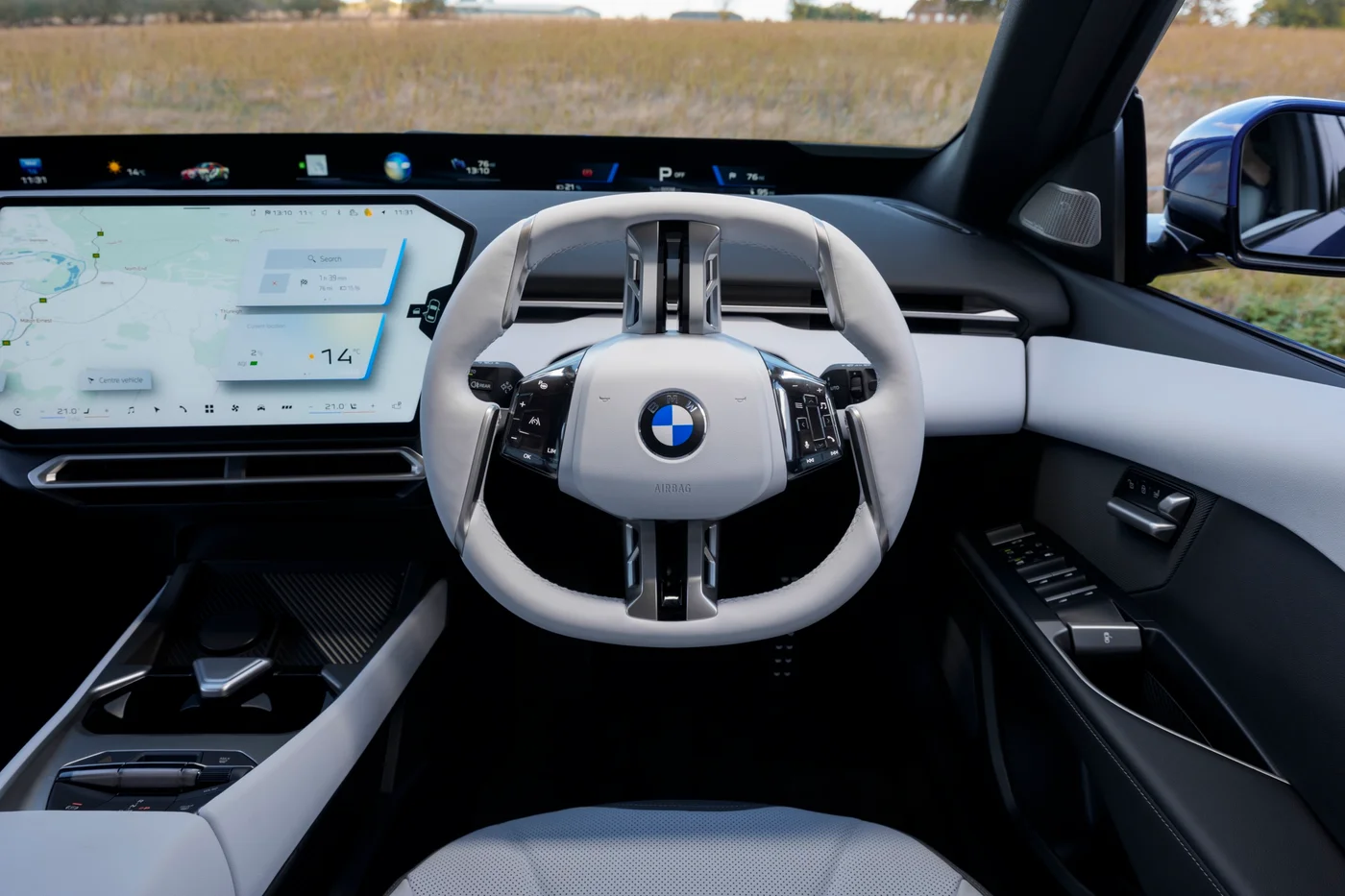
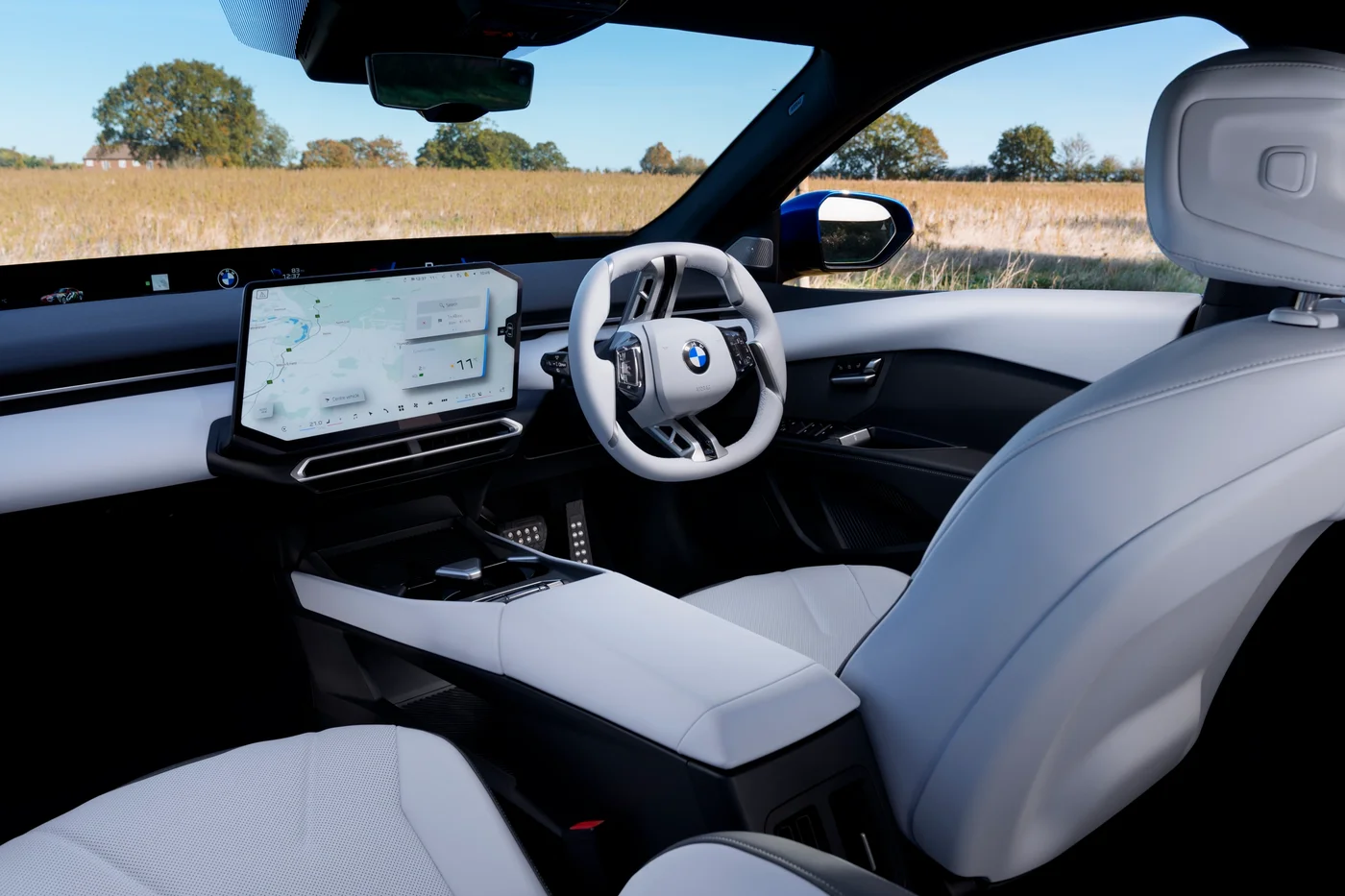
The cabin is built around BMW Panoramic iDrive. Instead of a conventional instrument panel, the Panoramic Vision display projects driving information across the full width of the bottom of the windscreen, and a 17.9-inch central touchscreen is angled towards the driver. A 3D head-up display is optional, and standard on the First Edition. The steering wheel is new too, with a central spoke at the top.
The software is BMW Operating System X, based on Android, with over-the-air updates. The voice assistant now uses Amazon's Alexa+ technology, so you can speak to it in normal sentences rather than set commands. Wireless Apple CarPlay and Android Auto are standard, and your phone or smartwatch can work as the key.
Source: BMW
Driving Assistant Plus, standard on every i3, keeps your distance to the car in front and helps keep you in your lane. You can steer, brake or accelerate yourself without switching it off, which BMW calls Symbiotic Drive. The optional Motorway Assistant allows hands-free driving on motorways at up to 130 km/h, and changes lane when you confirm with a glance at the mirror. BMW says it will be available in 21 countries, including Ireland and the UK, by the end of 2026.
Safety
Euro NCAP hasn't tested the i3 yet. The iX3 SUV, which uses the same technology, scored five stars under Euro NCAP's tougher 2026 tests.
Standard safety equipment includes front, side and head airbags front and rear, a centre airbag between the front seats, and automatic emergency functions designed to step in only when the system detects a likely collision. All the optional driver assistance features can also be bought later through BMW's online store.
Rivals
| Car | German price | UK price | WLTP range |
|---|---|---|---|
| BMW i3 40 xDrive | €59,900 | £47,925 | 710 km |
| Tesla Model 3 Premium AWD | €50,970 | £49,990 | 660 km |
| Hyundai Ioniq 6 84kWh AWD | €61,550 | £43,490 | 650 km |
| Polestar 4 Rear motor | €57,900 | £54,750 | 630 km |
(Rival prices from our EV database, checked at the end of October 2026.)
The Tesla Model 3 is the obvious rival. The Premium AWD costs slightly more than the i3 40 xDrive in the UK and much less in Germany, but its range is shorter and it charges at 250 kW. The Hyundai Ioniq 6 is the cheapest of the four in the UK and charges from 10-80% in 18 minutes. The Polestar 4 offers a similar price but a coupé-SUV body, with slower 200 kW charging and a 30-minute 10-80% time.
Our verdict
The i3 makes the strongest case yet for an electric saloon. The i3 50 xDrive's 912 km of WLTP range is more than any of the rivals here offer, both versions charge from 10-80% in 21 minutes, and towing 1,800 kg is unusual for a car like this. The i3 40 xDrive will suit most buyers: it still has 710 km of range, it's £5,500 cheaper in the UK, and it avoids the expensive car supplement.
The drawbacks are price and practicality. In Ireland, only the i3 50 xDrive is priced so far, at €66,685 with no VRT relief or grant, and the 420-litre boot is smaller than the petrol 3 Series'.
Strengths
- Up to 912 km of WLTP range
- 10-80% charge in 21 minutes
- 1,800 kg towing limit
- Bidirectional charging at up to 11 kW
Weaknesses
- No grants in Ireland or the UK
- No Irish price for the cheaper i3 40 xDrive yet
- Boot smaller than the petrol 3 Series'
- Heavy, at more than 2 tonnes
FAQs
How much is the new BMW i3?
In the UK, it starts at £47,925 for the i3 40 xDrive and £53,425 for the i3 50 xDrive, with the First Edition at £57,905. In Ireland, the i3 50 xDrive starts at €66,685 and the First Edition at €72,855. In Germany, prices start at €59,900.
Does the BMW i3 qualify for the Electric Car Grant?
No. The UK grant only covers cars up to £37,000. In Ireland, the i3 50 xDrive is too expensive for the SEAI grant and VRT relief.
What is the range of the new BMW i3?
Up to 912 km WLTP for the i3 50 xDrive and up to 710 km for the i3 40 xDrive. With UK equipment, BMW quotes 566 miles and 441 miles.
How fast does the BMW i3 charge?
Both versions charge from 10% to 80% in 21 minutes. The i3 50 xDrive peaks at 400 kW and can add up to 423 km in ten minutes, and the i3 40 xDrive peaks at 300 kW.