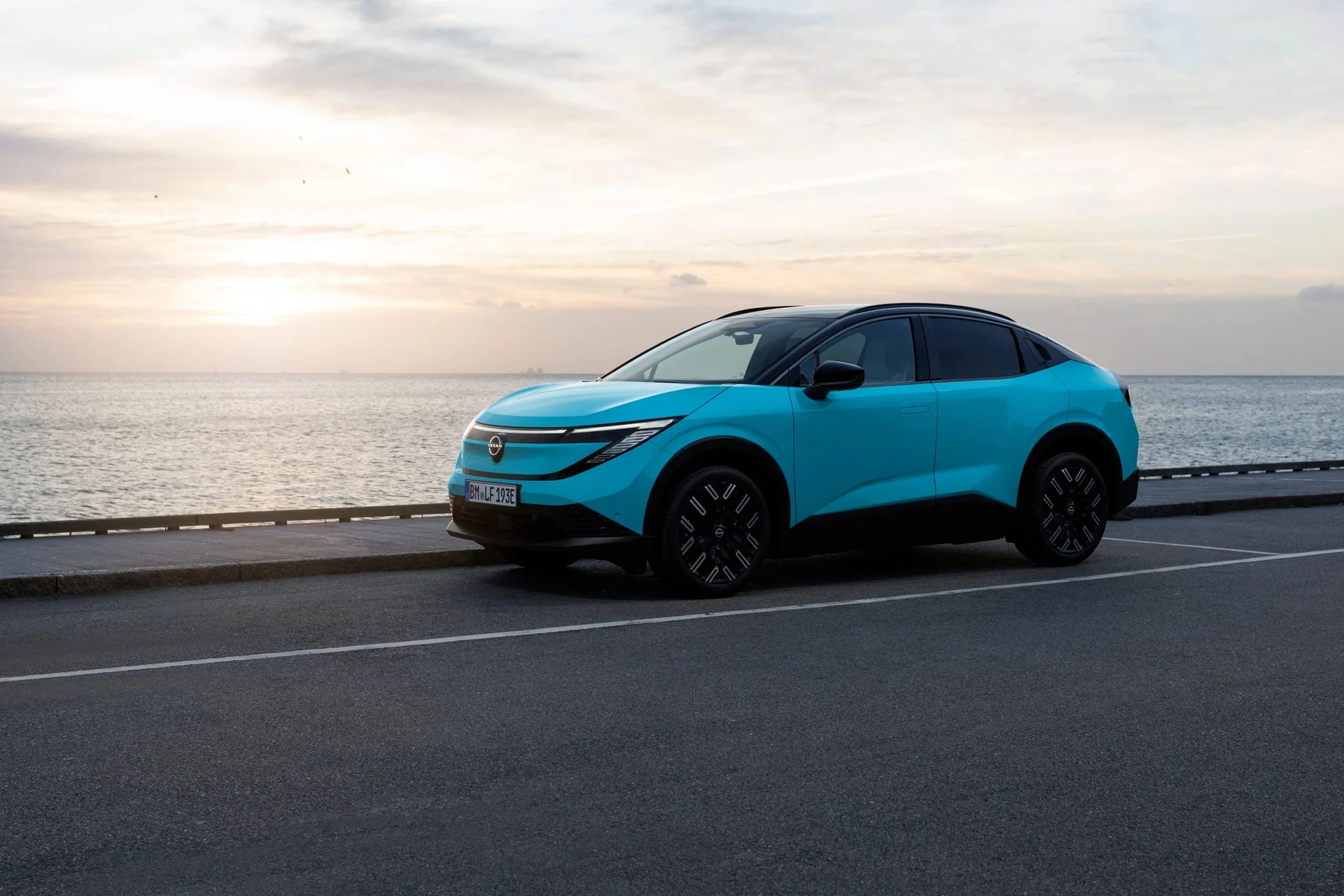
The Nissan Leaf was the first electric car most of us ever saw: a slightly awkward hatchback that made you plan every trip around the nearest plug. The third generation has thrown all of that out. It's now a low, sleek coupé-crossover, and the 75kWh version has a WLTP range of 623 km (387 miles). It starts at €36,095 in Ireland with the SEAI grant and at £28,849 in the UK, where every version gets the full £3,750 Electric Car Grant.
Even the smaller 52kWh battery manages 451 km (280 miles), which is a long way for a car that's 4,350 mm long. In Germany it costs from €35,950 and in the Netherlands from €33,990, and UK cars are built at Nissan's plant in Sunderland.
Key specs
| 52kWh | 75kWh | |
|---|---|---|
| Irish price | from €36,095 | from €39,995 |
| UK price | from £28,849 (with grant) | from £32,249 (with grant) |
| Battery (usable) | 52.9kWh | 75kWh |
| WLTP range | 451 km (280 miles) | 623 km (387 miles) |
| Peak DC charging | 105 kW | 150 kW |
| 10-80% DC charge | 35 minutes | 35 minutes |
| AC charging | 11 kW | 11 kW |
| Power | 130 kW (176 PS) | 160 kW (217 PS) |
| 0-62mph | 8.4 seconds | 7.8 seconds |
| Boot | 437 litres | 437 litres |
| Length | 4,350 mm | 4,350 mm |
| Grants | SEAI; full UK grant | SEAI; full UK grant |
Prices and trims
| Market | Entry price | Top of the range |
|---|---|---|
| Netherlands | €33,990 | €42,990 |
| France | €35,300 | about €47,000 |
| Germany | €35,950 | €48,000 |
| Ireland | €36,095 | €51,795 |
| UK | £28,849 | £36,249 |
(Prices correct at 29 October 2026. Irish prices include the €3,500 SEAI grant and exclude delivery. UK prices are on the road and include the £3,750 Electric Car Grant. German prices are Nissan's list prices before delivery, which costs €1,190. Dutch prices are consumer list prices. The French top-of-the-range price is as reported at launch.)
The Leaf has four trims everywhere: Engage, Engage+, Advance and Evolve. In Ireland, all four come with either battery. The 52kWh Engage costs €36,095, the Engage+ €37,095, the Advance €40,295 and the Evolve €41,795. With the 75kWh battery, they cost €39,995, €41,495, €49,295 and €51,795. Annual motor tax is €120.
The UK only offers the 52kWh battery on the Engage (£28,849) and Advance (£30,849). The 75kWh car costs £32,249 as an Engage, £33,149 as an Engage+, £34,249 as an Advance and £36,249 as an Evolve. Every version gets the full £3,750 grant, where many rivals only qualify for the lower £1,500 rate.
The Engage comes with 18-inch alloys, LED headlights, twin 12.3-inch screens, wireless Apple CarPlay and Android Auto, dual-zone climate control, a 360-degree camera, adaptive cruise control and ProPILOT Assist. The Engage+ adds diamond-cut wheels, heated front seats and steering wheel, a wireless phone charger and larger 14.3-inch screens with Google built-in.
The Advance adds a dimming panoramic roof, a head-up display, a powered tailgate, privacy glass, adaptive LED headlights and part synthetic leather seats. The Evolve has 19-inch wheels, synthetic leather, electric front seats with a massage function for the driver, a nine-speaker Bose sound system with a speaker in the driver's headrest, and a vehicle-to-load connector.
Elsewhere in Europe, the German line-up starts with the 52kWh Engage at €35,950 and runs to €48,000 for the 75kWh Evolve, and Nissan says the Leaf can get up to €6,000 of German government support. In France it starts at €35,300 for the 52kWh Engage and €37,100 for the Engage+, with the 75kWh Advance and Evolve reported at around €45,100 and €47,000. The Leaf qualifies for the French Coup de Pouce and CEE incentives. Dutch prices run from €33,990 to €42,990.
Battery, range and charging
Source: Nissan
The 75kWh Leaf has a WLTP range of 623 km (387 miles). That's enough for most people to charge once a week, and Nissan quotes 498 miles on the WLTP city cycle, which shows how efficient it is at lower speeds. On the motorway-heavy WLTP highway cycle, the figure drops to 269 miles. The 52kWh car's 451 km (280 miles) is plenty for most daily driving if you can charge at home.
Higher trims have slightly lower ranges because of their bigger wheels and extra equipment. In Ireland, Nissan lists 582 km for the 75kWh Evolve, against 622 km for the Engage, although those figures are still marked as awaiting final approval.
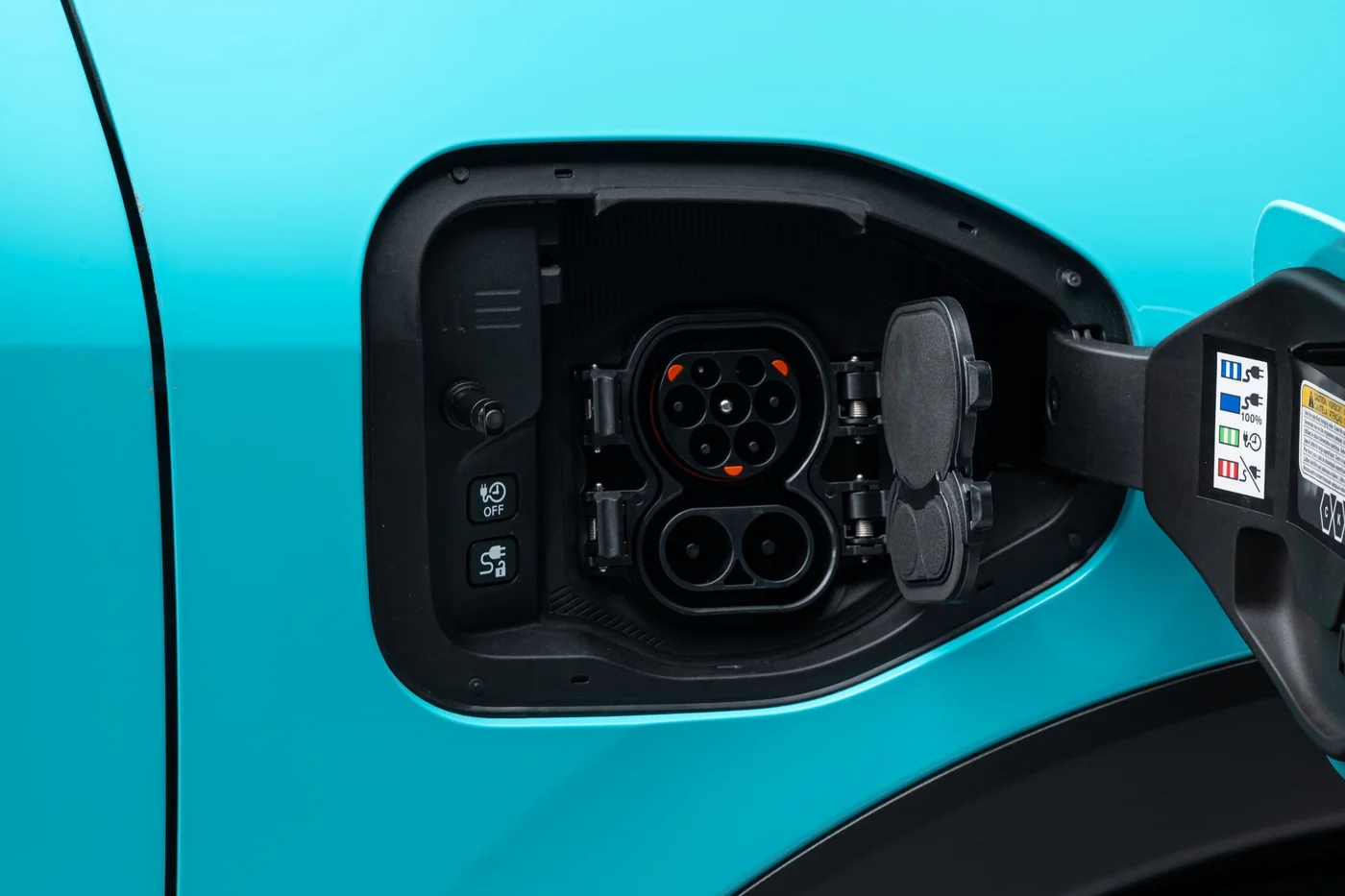
Fast charging is the Leaf's weakest point. The 75kWh car peaks at 150 kW and the 52kWh at 105 kW, both well behind the 800V cars in this price range. Nissan quotes 35 minutes for a 10-80% charge, and says the 75kWh battery can add up to 176 miles in 15 minutes on a fast charger. The 52kWh car adds up to 100 miles in the same time, and up to 176 miles in 30 minutes.
At home, the 11 kW on-board charger fills the 52kWh battery from 10% to 100% in six hours and the 75kWh in seven, if you have a three-phase supply. On a more common 7.4 kW wallbox, it takes eight and a half hours for the 52kWh and 11 and a half for the 75kWh. Vehicle-to-load lets you run appliances from the battery at up to 3.1 kW, according to Nissan UK (Nissan Germany quotes 3.6 kW). In Ireland the adaptor is an extra-cost accessory except on the Evolve, and Nissan says vehicle-to-grid will come later in 2026 with a compatible Nissan home charger.
In the UK, a heat pump comes with the 75kWh battery only. In Ireland, both batteries get one. A heat pump uses far less energy than a conventional heater to warm the cabin, so it helps preserve range in cold weather, and it's a good reason to choose the bigger battery in the UK.
The battery is covered for eight years. In the UK the warranty runs to 100,000 miles, and Nissan's other electric components, such as the motor and inverter, are covered for five years or 60,000 miles. The rest of the car has a three-year, 60,000-mile warranty, which Nissan UK's service-activated warranty can extend to up to six years. In Ireland, Nissan guarantees the battery against capacity loss for eight years or 100,000 km.
Performance
The 52kWh car has a 130 kW (176 PS) motor and 345 Nm of torque, and gets from 0-62mph in 8.4 seconds, or 8.3 seconds in Sport mode. The 75kWh car has 160 kW (217 PS) and 355 Nm, and takes 7.8 seconds (7.6 in Sport mode). Both are quick enough for everyday driving and motorway joining.
Source: Nissan
All versions are front-wheel drive, with a top speed of 160 km/h (100 mph). Nissan's e-Pedal Step lets you slow down mainly by lifting off the accelerator, and paddles behind the steering wheel adjust the level of regenerative braking.
There are four drive modes: Normal, Eco, Sport and Custom. The Leaf weighs between 1,791 kg and 1,946 kg depending on the version.
Size and practicality
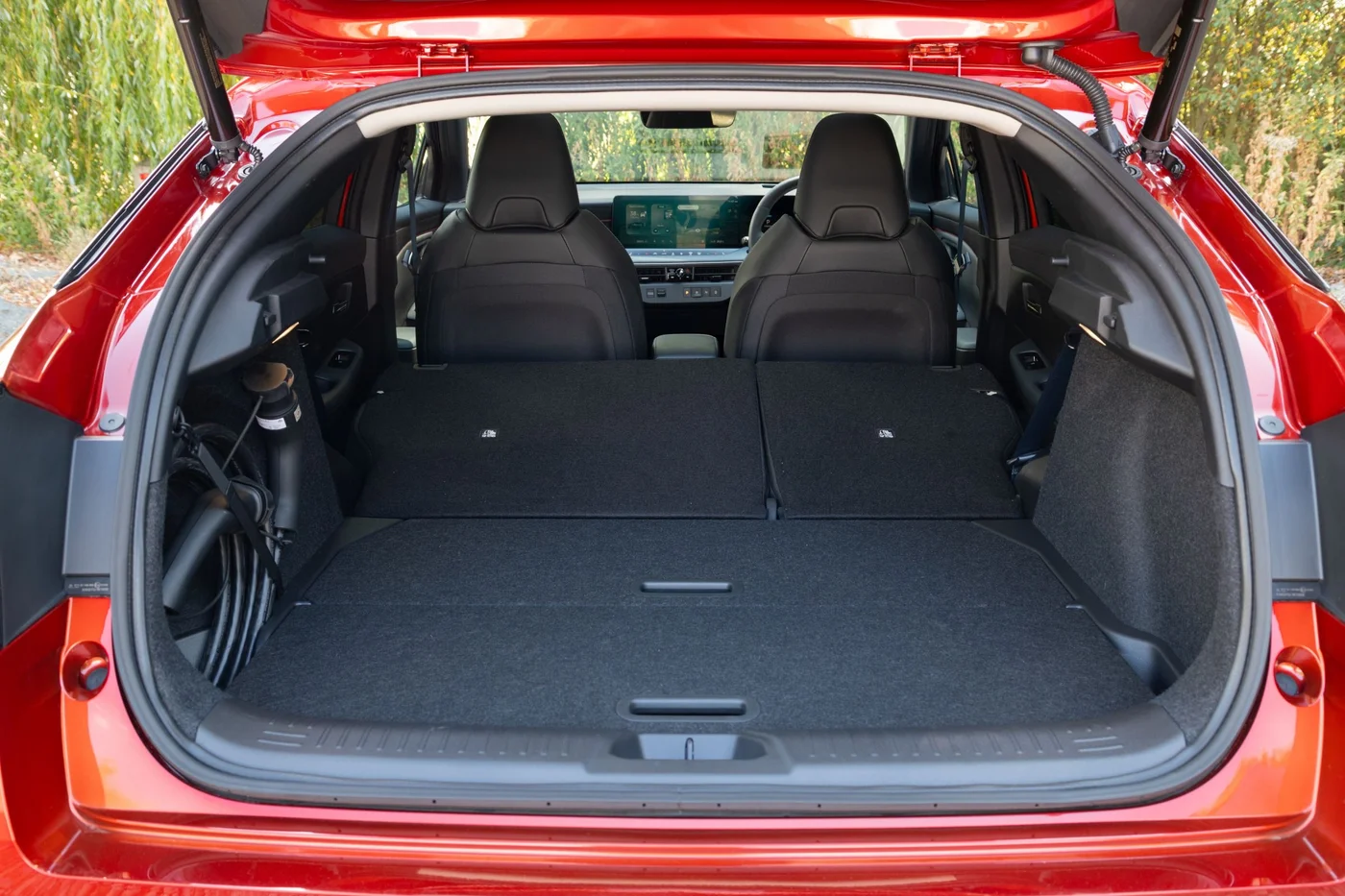
At 4,350 mm long, 1,810 mm wide and 1,550 mm tall, the Leaf has a 2,690 mm wheelbase and 140 mm of ground clearance. The turning circle is 10.8 metres, which helps in town.
Source: Nissan
The boot holds 437 litres with the seats up and 1,052 litres with them folded. There's a luggage board system from the Engage+ upwards, and the Advance adds a powered tailgate.
Source: Nissan
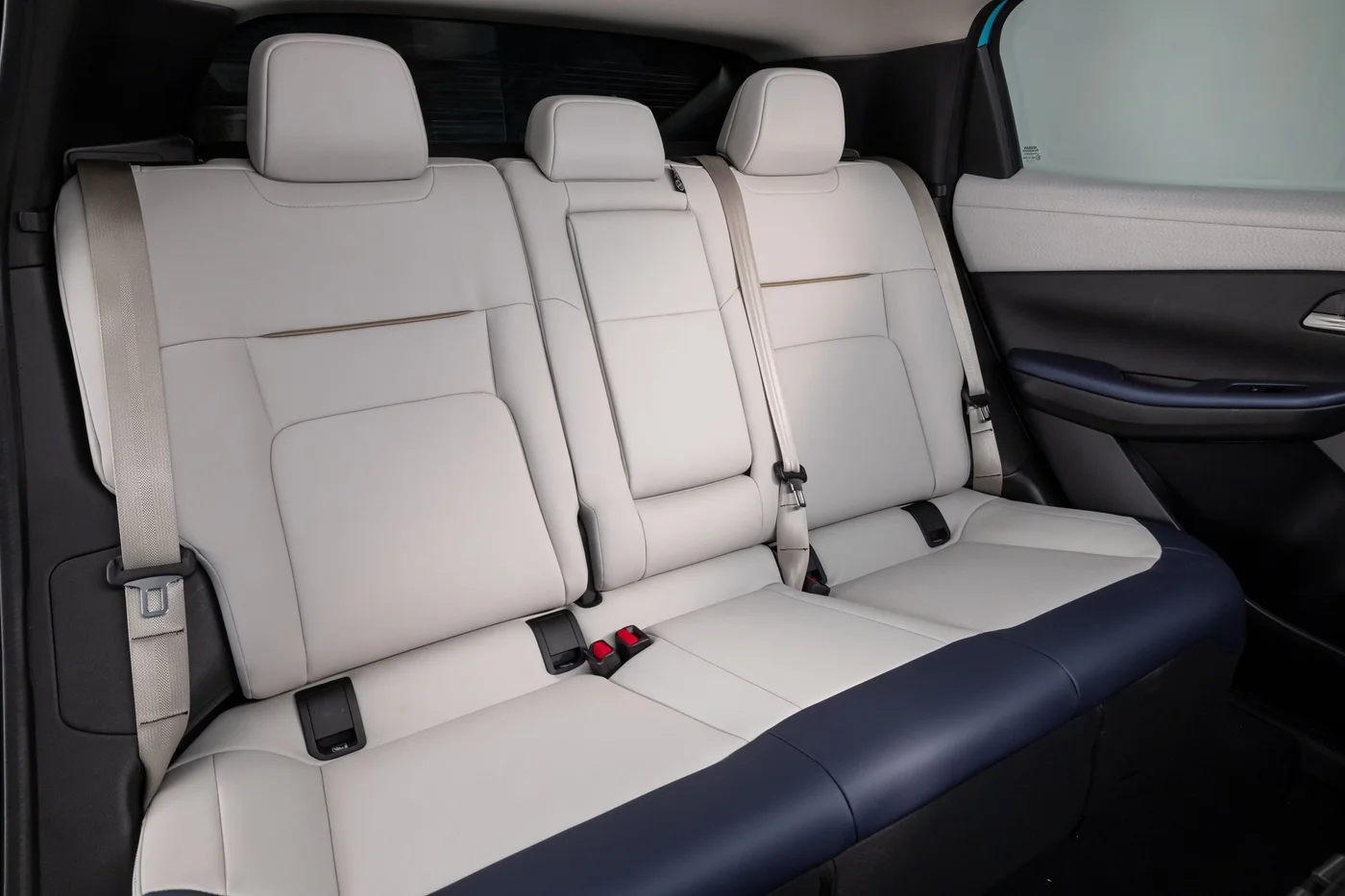
The flat floor gives the rear passengers more foot space, and there are two ISOFIX points on the outer rear seats. The Leaf can tow up to 975 kg with a braked trailer and 750 kg unbraked, which is enough for a small trailer but not a caravan.
Design
Source: Nissan
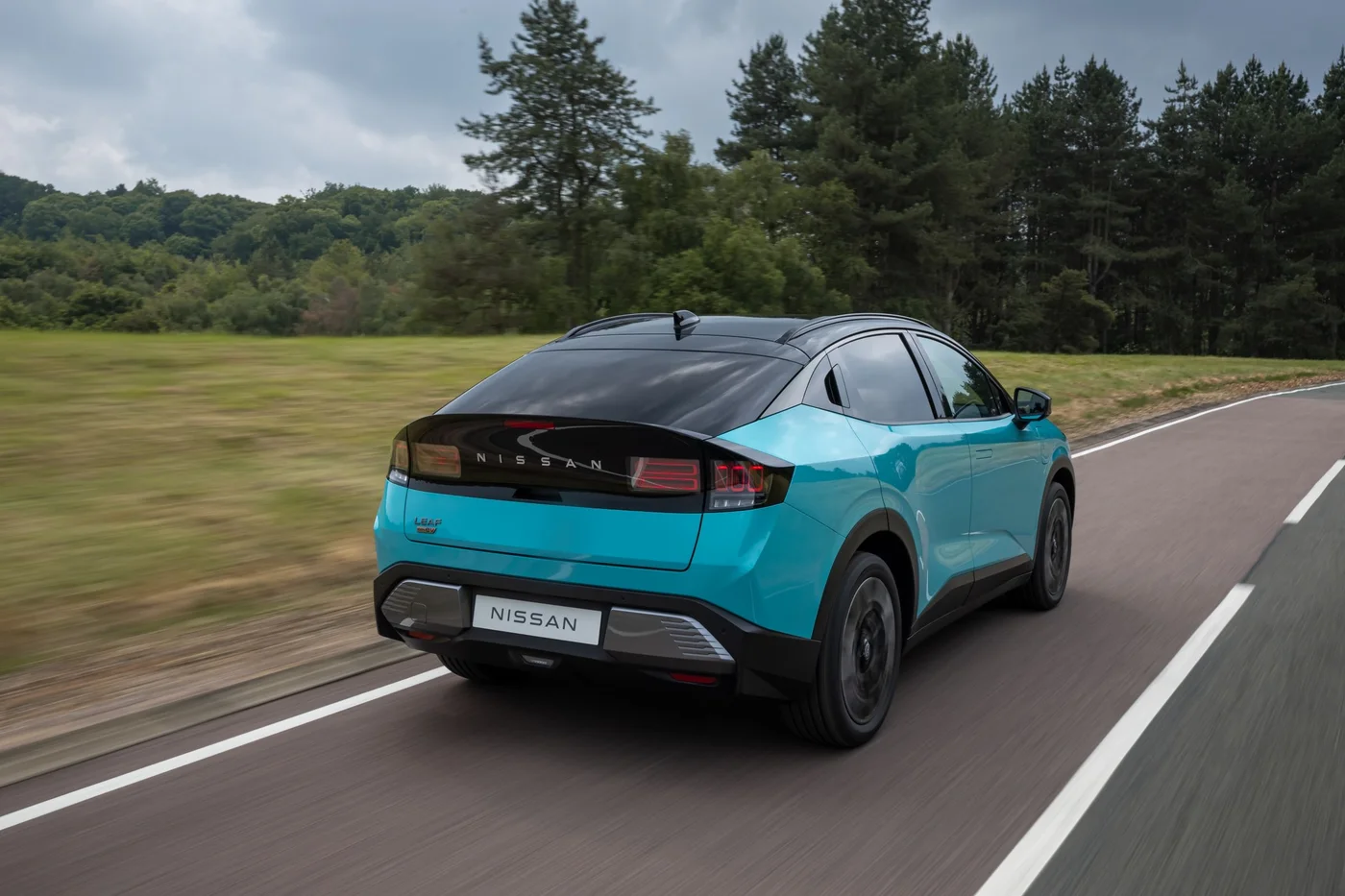
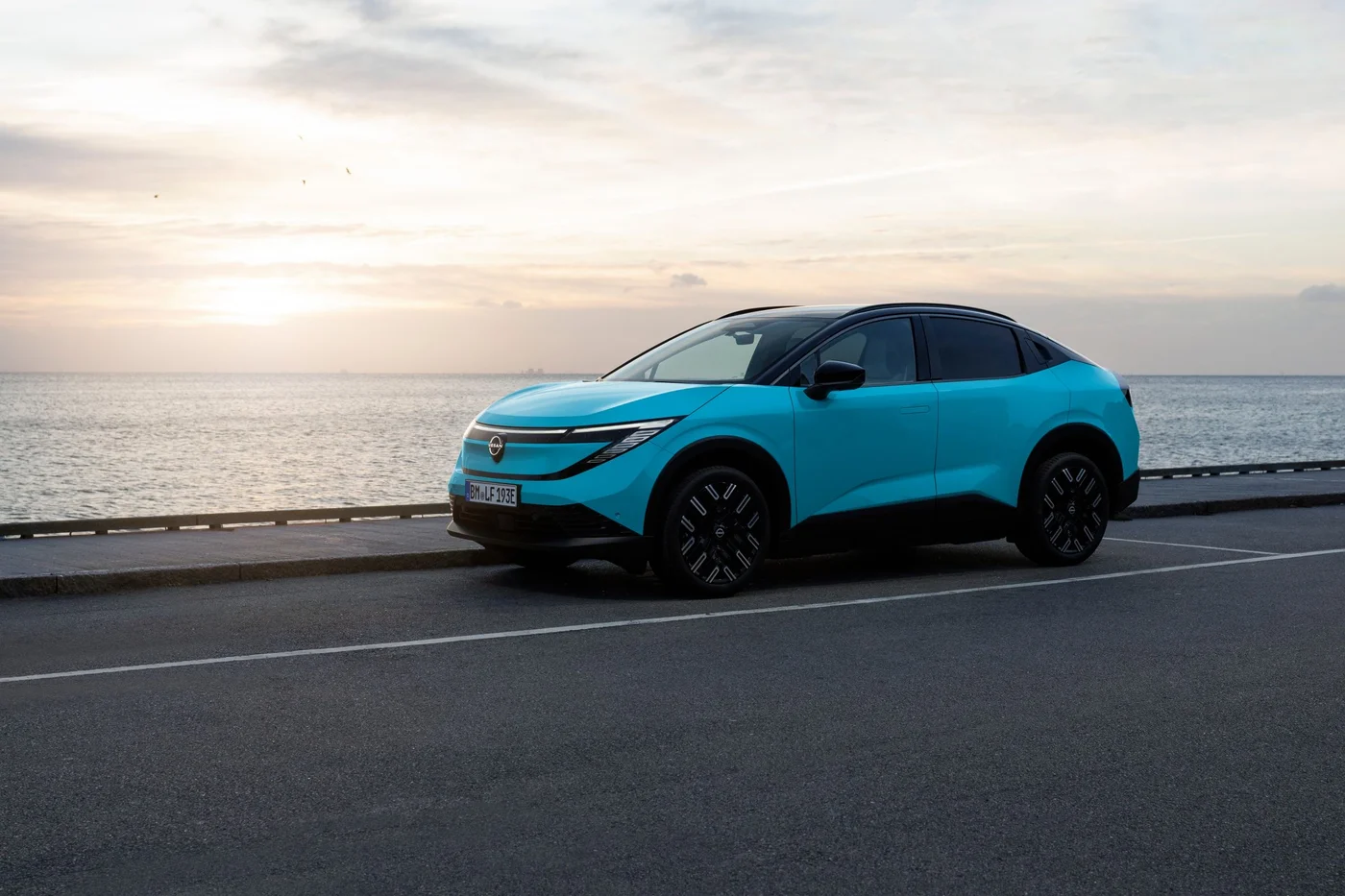
The new Leaf looks nothing like its predecessors. It was designed at Nissan's Global Design Studio in Atsugi, Japan, as a low crossover with a sloping roofline, flush door handles and a full underfloor cover. The drag coefficient is 0.25, which helps the range.
Source: Nissan
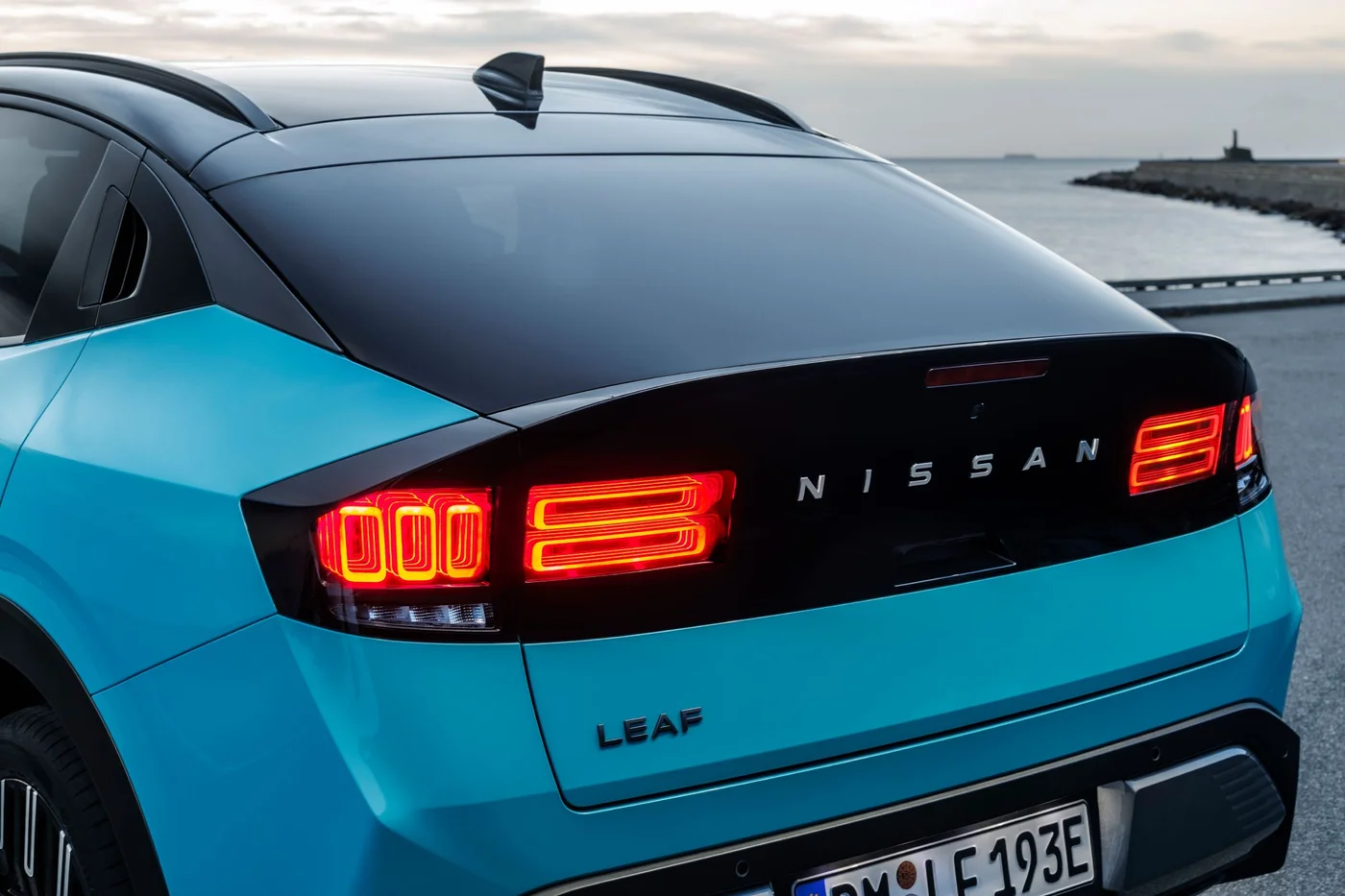
The Advance and Evolve add 3D rear lights and an illuminated Nissan badge at the front. Two-tone paint with a black roof is an option from the Engage+, and the Luminous Teal and Sukumo Blue colours are only offered on the Advance and Evolve.
Tech and equipment
Source: Nissan
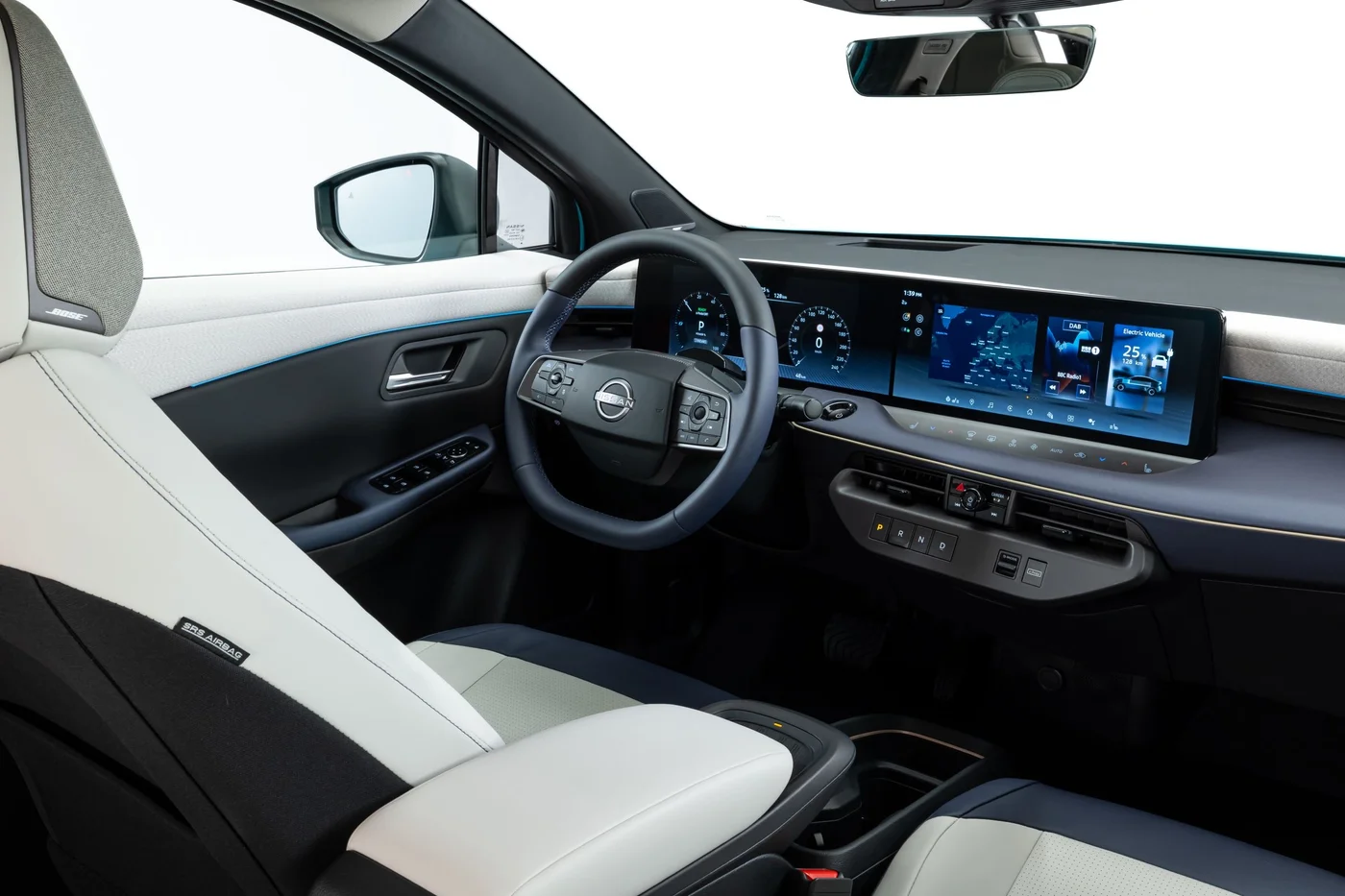
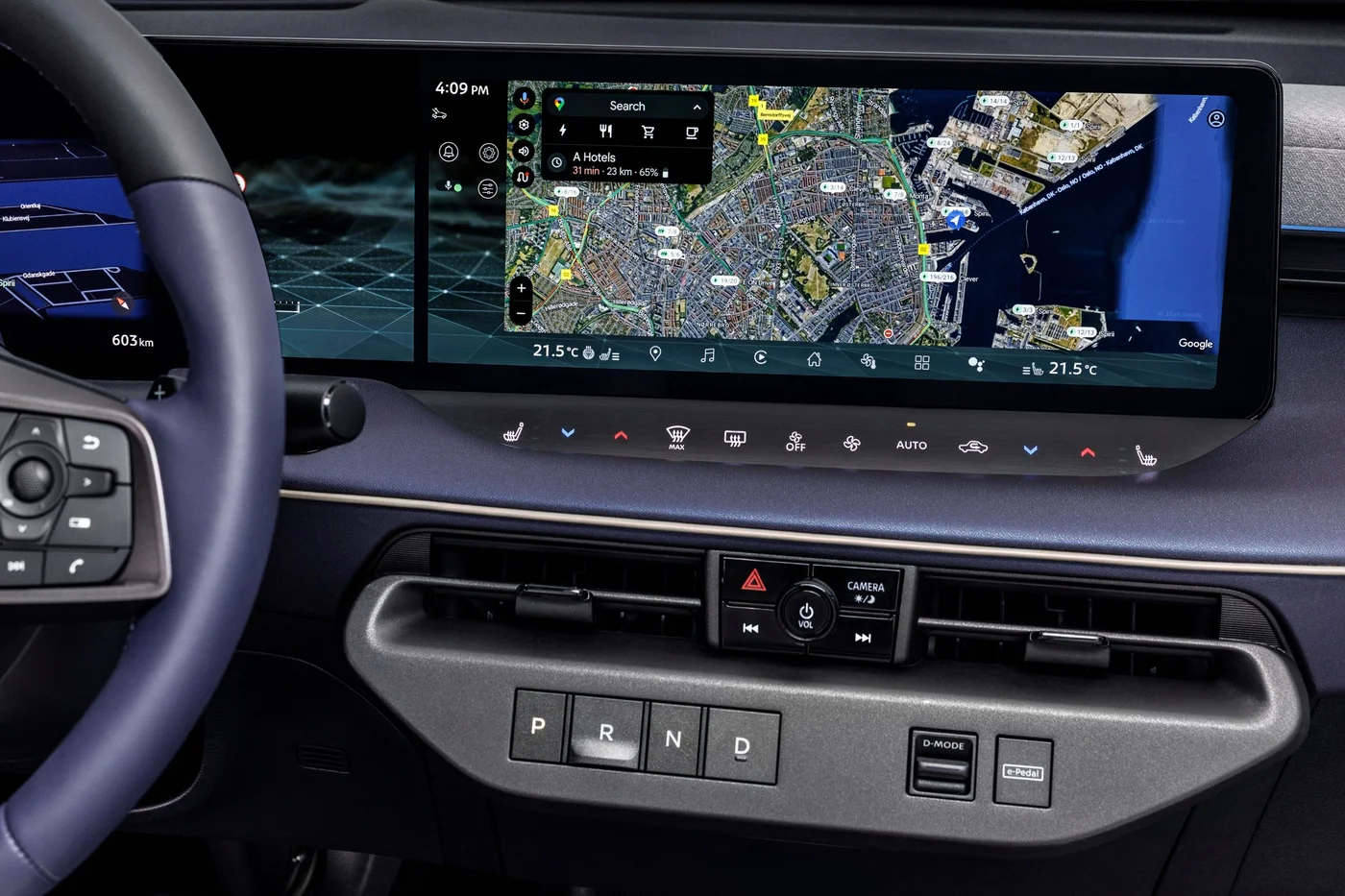
From the Engage+ upwards, the Leaf has two 14.3-inch screens with Google built-in, which brings Google Maps, the Google Assistant and Google Play apps. Google Maps plans charging stops based on the battery's predicted charge level and updates them as you drive. Nissan says you can also talk to Google's Gemini assistant. The Engage has smaller 12.3-inch screens without Google built-in but keeps wireless Apple CarPlay and Android Auto.
Source: Nissan
Every version gets over-the-air updates, the NissanConnect Services app for remote charging and climate control, and USB-C ports in the front and back. The Evolve's Bose system includes a speaker in the driver's headrest.
Safety
Euro NCAP hasn't published a rating for the third-generation Leaf yet. The previous Leaf scored five stars in 2018, but that rating has expired.
Every version has automatic emergency braking with pedestrian, cyclist and junction detection, rear automatic braking, blind spot warning and intervention, lane keeping, traffic sign recognition and a 360-degree camera. ProPILOT Assist with Navi Link can steer, brake and accelerate on motorways, and uses map data to slow for bends and roundabouts. The Evolve adds a front far-side airbag between the front seats.
Rivals
| Car | UK price | WLTP range |
|---|---|---|
| Nissan Leaf 75kWh | from £32,249 (with grant) | 623 km (387 miles) |
| Kia EV3 | from £31,555 (with grant) | up to 375 miles |
| Skoda Elroq | from £34,295 | 279-370 miles |
| Hyundai Ioniq 3 | from £18,495 (with grant) | up to 497 km (308 miles) |
(Prices correct at 29 October 2026. Kia's price includes the £1,500 grant.)
The Kia EV3 is the closest rival, a small SUV with a similar range for similar money, although it gets the lower £1,500 grant. The Skoda Elroq is a more conventional SUV: the entry Elroq 60 manages 279 miles, and the Elroq 85, from £37,060, gets close to the Leaf's range but costs more. The Hyundai Ioniq 3 is smaller and much cheaper, and its Long Range battery gives 497 km (308 miles).
Which Leaf should you buy?
In the UK, the 75kWh Engage at £32,249 is the best value. It adds 172 km of range over the 52kWh car for £3,400, along with faster charging and a heat pump. The Engage+ is worth the extra £900 for the heated seats and steering wheel, the larger screens and Google built-in.
In Ireland, where both batteries get a heat pump, the 52kWh Engage+ at €37,095 is a sensible choice if you mostly drive locally. If you cover longer distances, the 75kWh Engage+ at €41,495 is the one to go for. The Advance and Evolve add comfort and style, but the 75kWh Advance costs €7,800 more than the Engage+.
Our verdict
The new Nissan Leaf is a big step forward. The 75kWh battery gives it a longer range than most rivals at this price, and in the UK, the full grant makes it one of the best-value EVs on sale. It's well equipped, practical for its size and efficient. The main weakness is charging: 150 kW peak and 35 minutes for 10-80% are only average now.
Strengths
- Up to 623 km (387 miles) of WLTP range
- Full £3,750 UK grant on every version
- Well equipped, with ProPILOT Assist and a 360-degree camera as standard
- Google built-in from the Engage+
Weaknesses
- Charging is slower than 800V rivals
- No heat pump on the UK 52kWh car
- Towing is limited to 975 kg
- No Euro NCAP rating yet
FAQs
Does the Nissan Leaf qualify for the Electric Car Grant?
Yes. Every version of the new Leaf qualifies for the full £3,750 grant, bringing UK prices down to between £28,849 and £36,249.
How much is the new Nissan Leaf in Ireland?
It starts at €36,095 for the 52kWh Engage and €39,995 for the 75kWh Engage, including the €3,500 SEAI grant. The range-topping 75kWh Evolve costs €51,795.
What is the range of the new Nissan Leaf?
The 52kWh version has a WLTP range of 451 km (280 miles) and the 75kWh version 623 km (387 miles).
How fast does the Nissan Leaf charge?
Nissan quotes 35 minutes for 10-80% on a fast charger, with a peak of 105 kW for the 52kWh and 150 kW for the 75kWh. An 11 kW home charger fills it in six to seven hours.
Where is the new Nissan Leaf built?
Cars for the UK are built at Nissan's plant in Sunderland. It was designed at Nissan's Global Design Studio in Atsugi, Japan.