Tesla says the first customer-owned cars could join its Robotaxi network around the second quarter of 2027. Speaking on the company's third-quarter earnings call on 22 October, Tesla's vice president of AI, Ashok Elluswamy, said "somewhere around Q2 next year is when we can turn on some of the first customer vehicles".
That would mean unsupervised Full Self-Driving for owners, starting in selected US areas, and the chance to send your car out to earn fares on Tesla's network when you aren't using it. It's the first time Tesla has put a date on an idea it has been promising for years.
What Tesla said about owner cars
The condition is that customer cars run inside Tesla's geofences and fleet management system, the same way its own Robotaxi fleet does today. So the first unsupervised cars are likely to be limited to the areas where Tesla already runs the service, rather than working anywhere in the country.
According to Elluswamy, the Cybercab and Tesla's Model Y robotaxis already run the same driving software. Tesla plans to bring it to customers as part of FSD v15, which grows the neural network from around 1 billion to 10 billion parameters. The Robotaxi fleet gets v15 first, and customer cars follow.
Not every Tesla will qualify. In April, Elon Musk said cars with the older HW3 computer "simply do not have the capability" for unsupervised driving, which rules out older cars built with that computer. Those cars have just received FSD v14.3 Lite, a cut-down version of the current supervised software.
Tesla hasn't said how much owners would earn, how fares would be split, or who would handle charging and cleaning between rides. Musk expects Robotaxi to make a noticeable difference to Tesla's finances from around the same quarter, and a significant one by late 2027.
Where Tesla Robotaxi runs today
The Robotaxi service operates in seven US markets: Austin, Dallas and Houston in Texas, Orlando, Tampa and Miami in Florida, and the San Francisco Bay Area. In the Bay Area, state rules require a safety driver behind the wheel, so rides there aren't autonomous and don't count towards Tesla's autonomous mileage. Tesla has named Las Vegas, Jacksonville, Phoenix and San Antonio as its next cities, without dates.
According to Tesla's own safety report, its robotaxis covered 3.1 million autonomous miles (5 million km) between 22 January and 18 October 2026, more than two thirds of them in Austin. Tesla reports no injuries and no airbag deployments over that distance. The cars don't use highways yet, and Austin rides run from 6am to midnight.
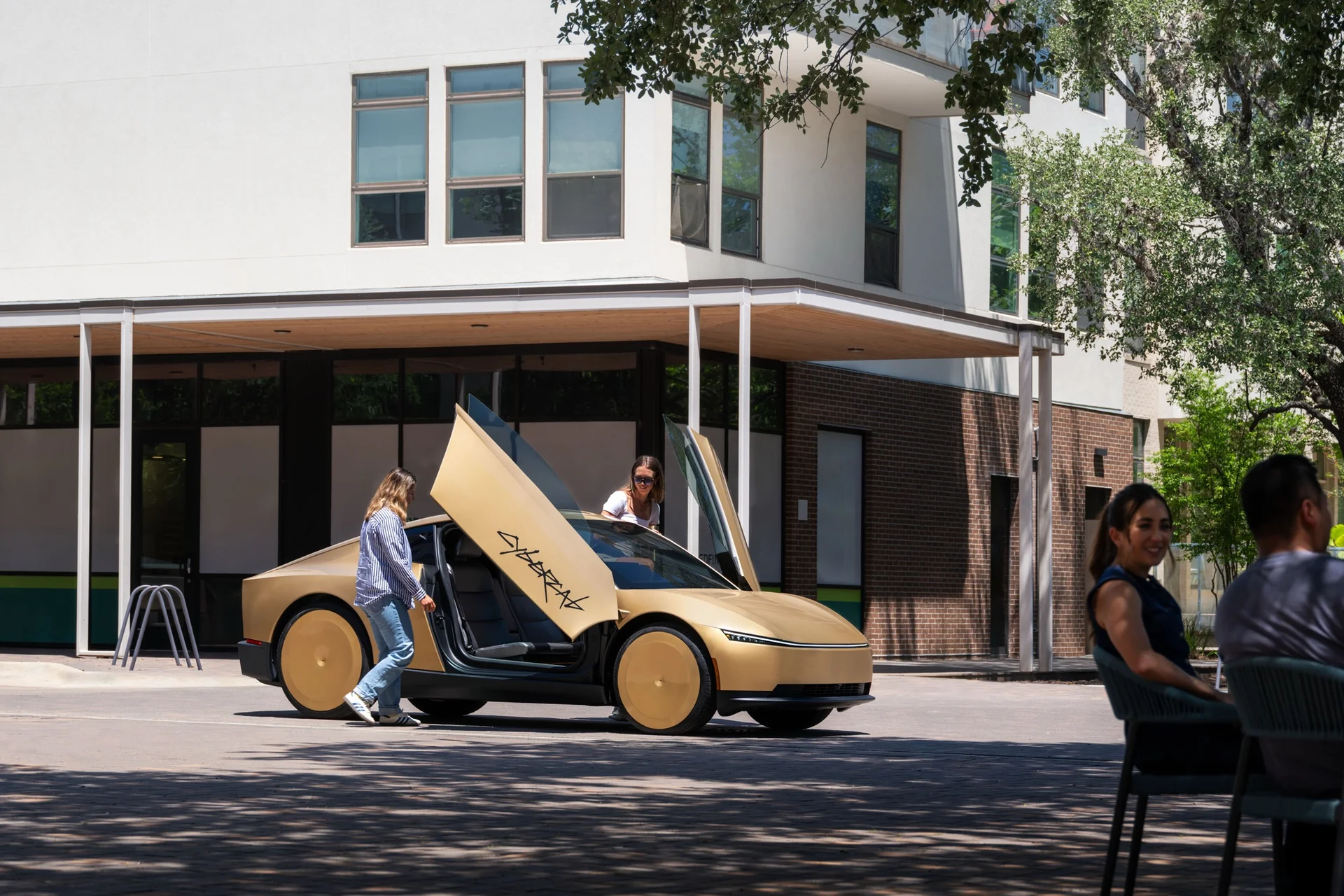
The Cybercab, Tesla's two-seater with no steering wheel or pedals, joined the Austin fleet during the quarter, and Tesla has more than 300 of them there. Unsupervised Cybercab rides launch in Dallas in November. Tesla also wants to deliver the first Cybercabs to customers by the end of 2026, although Musk said "the vast majority" will be Tesla-owned and run as a ride service. Tesla hasn't announced a price.
The network is still small next to Waymo's. In the week to 18 October, Tesla's robotaxis covered around 558,000 miles (898,000 km). Waymo averaged about 3.9 million rider-only miles (6.3 million km) a week in the second quarter, across 15 cities, and its riders have used freeways in Phoenix, San Francisco and Los Angeles since November 2025.
What it means for Tesla owners
For now, owners pay for supervised FSD, which still needs a driver watching the road. Tesla stopped selling FSD outright in the US on 14 February and moved to a subscription, priced at $99 a month at the time. Tesla says more than 75% of the cars it delivered in North America during the quarter came with a paid FSD subscription, and it has 1.74 million paying FSD customers worldwide.
Treat the 2027 date as a target, not a promise. In 2019, Musk predicted that Tesla would have a million robotaxis on the road the following year. Each new state brings its own approvals, and federal rules are only starting to catch up: NHTSA has just proposed lighting standards for driverless cars without manual controls, such as the Cybercab.
Nothing changes yet for European drivers. Supervised FSD is now approved in 10 EU countries, and Musk expects an EU-wide decision by early 2027, but Tesla has given no timeline for Robotaxi or unsupervised driving in Europe. FSD isn't approved in the UK or Ireland.
(Correct at 29 October 2026.)