
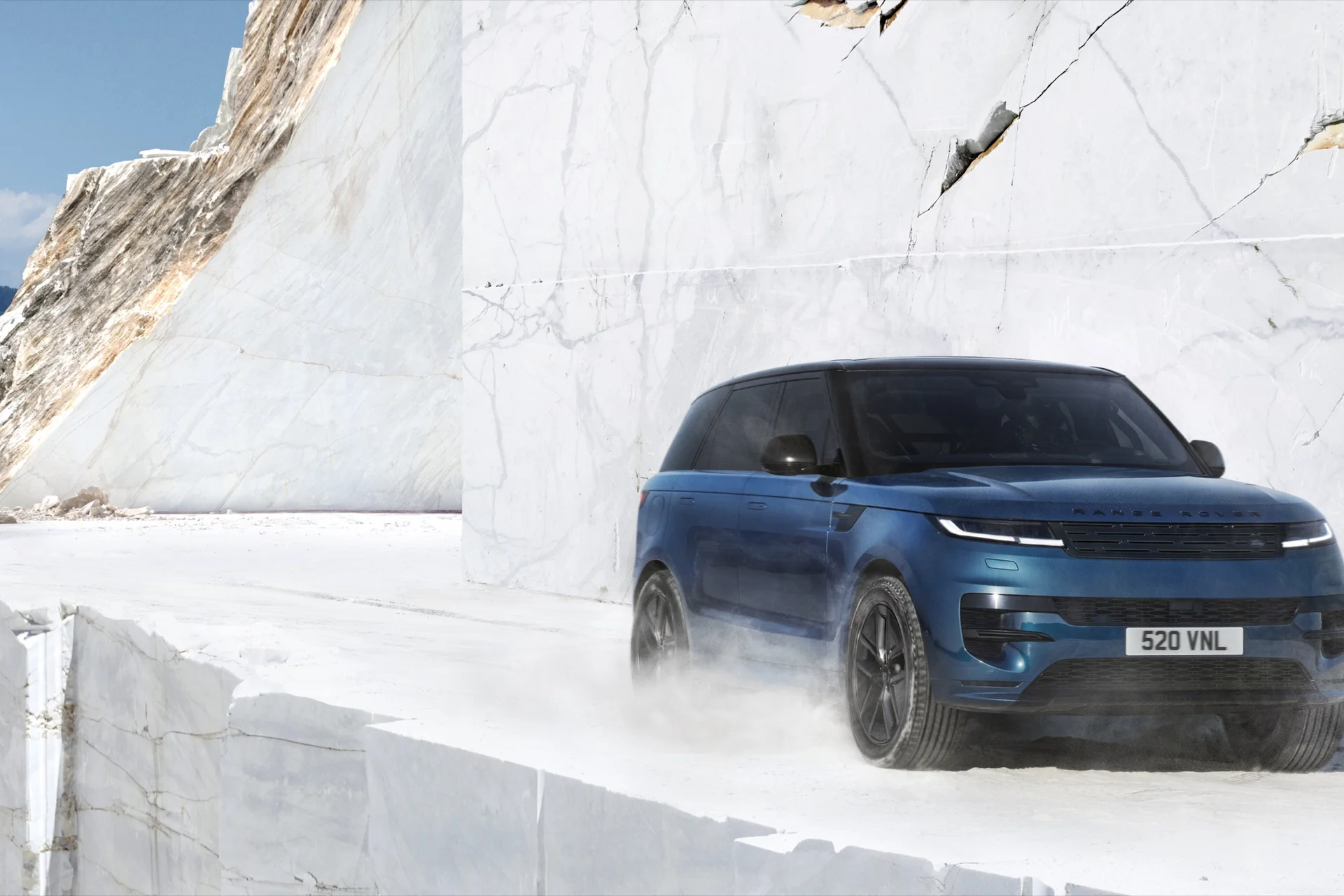
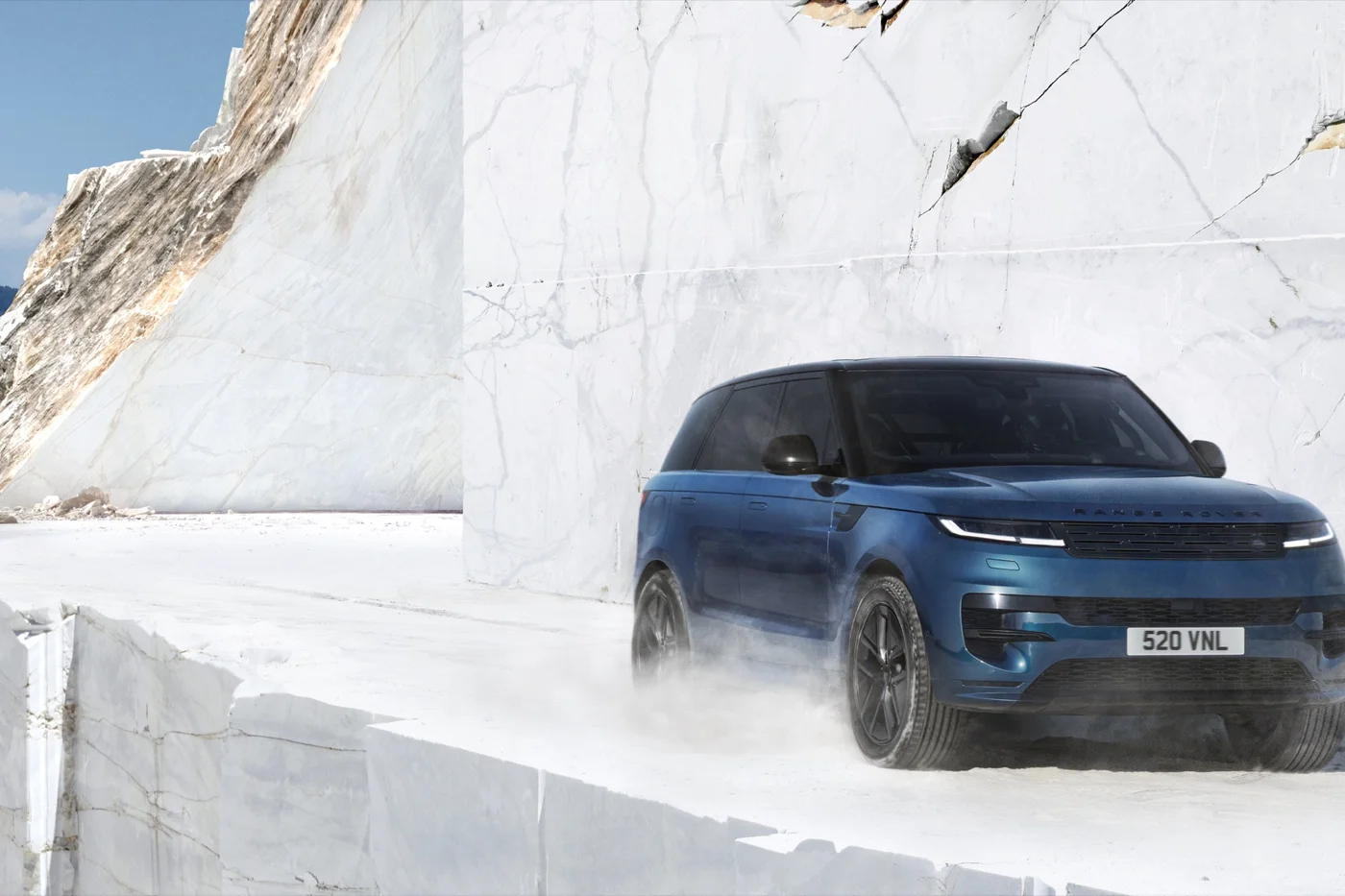
For twenty years the Range Rover Sport has been the Range Rover for people who'd rather drive than be driven, and for most of that time it's had a big engine to match. This Range Rover Sport Electric review covers the first version with no engine at all: two electric motors, a 118.5kWh battery and a WLTP range of up to 609 km (378 miles). Prices start at £109,810 in the UK and €123,826 in Ireland, which makes it a lot cheaper than the electric Range Rover it shares its hardware with.
It's built in Solihull on the same production line as the plug-in hybrid, petrol and diesel Range Rover Sports, and order books opened on 30 September 2026.
Key specs
| EV450 | EV550 | |
|---|---|---|
| Irish price | from €123,826 | see prices below |
| UK price | not offered | from £109,810 |
| Battery | 118.5kWh | 118.5kWh |
| WLTP range | up to 609 km (378 miles) | up to 600 km (372 miles) |
| DC charging (10-80%) | about 22 minutes on a 350 kW charger | about 22 minutes on a 350 kW charger |
| AC charging (0-100%) | under 7 hours at 22 kW | under 7 hours at 22 kW |
| Power | 331 kW (450 PS) | 405 kW (550 PS) |
| 0-100km/h | 5.6 seconds | 4.5 seconds |
| Towing | 2,500 kg | 2,500 kg |
| Grants | none | none |
(Prices correct at 29 October 2026, from Range Rover's Irish and UK configurators. Irish prices exclude delivery and related charges. UK prices are on the road.)
Source: Range Rover, under the JLR media user licence: media.jlr.com/range-rover/user-licence
Prices and trims
The Range Rover Sport Electric comes in Dynamic SE, Dynamic HSE, Autobiography and First Edition trims, though not every market gets all four, or both motors.
| Market | Entry price | First Edition |
|---|---|---|
| Ireland | €123,826 (Dynamic SE EV450) | €159,569 |
| Germany | €120,400 (Dynamic SE EV450) | €153,500 |
| UK | £109,810 (Dynamic SE EV550) | £126,290 |
(Prices correct at 29 October 2026, from Range Rover's configurators. German and Irish prices exclude delivery.)
UK buyers only get the more powerful EV550 for now. The Dynamic SE costs £109,810, the Autobiography £122,780 and the First Edition £126,290. There's no Dynamic HSE in the UK electric line-up. Range Rover lists the Dynamic SE's own WLTP figure at 374.9 miles, the Autobiography's at 371.3 miles and the First Edition's at 370.4 miles, so the trims are within a few miles of each other.
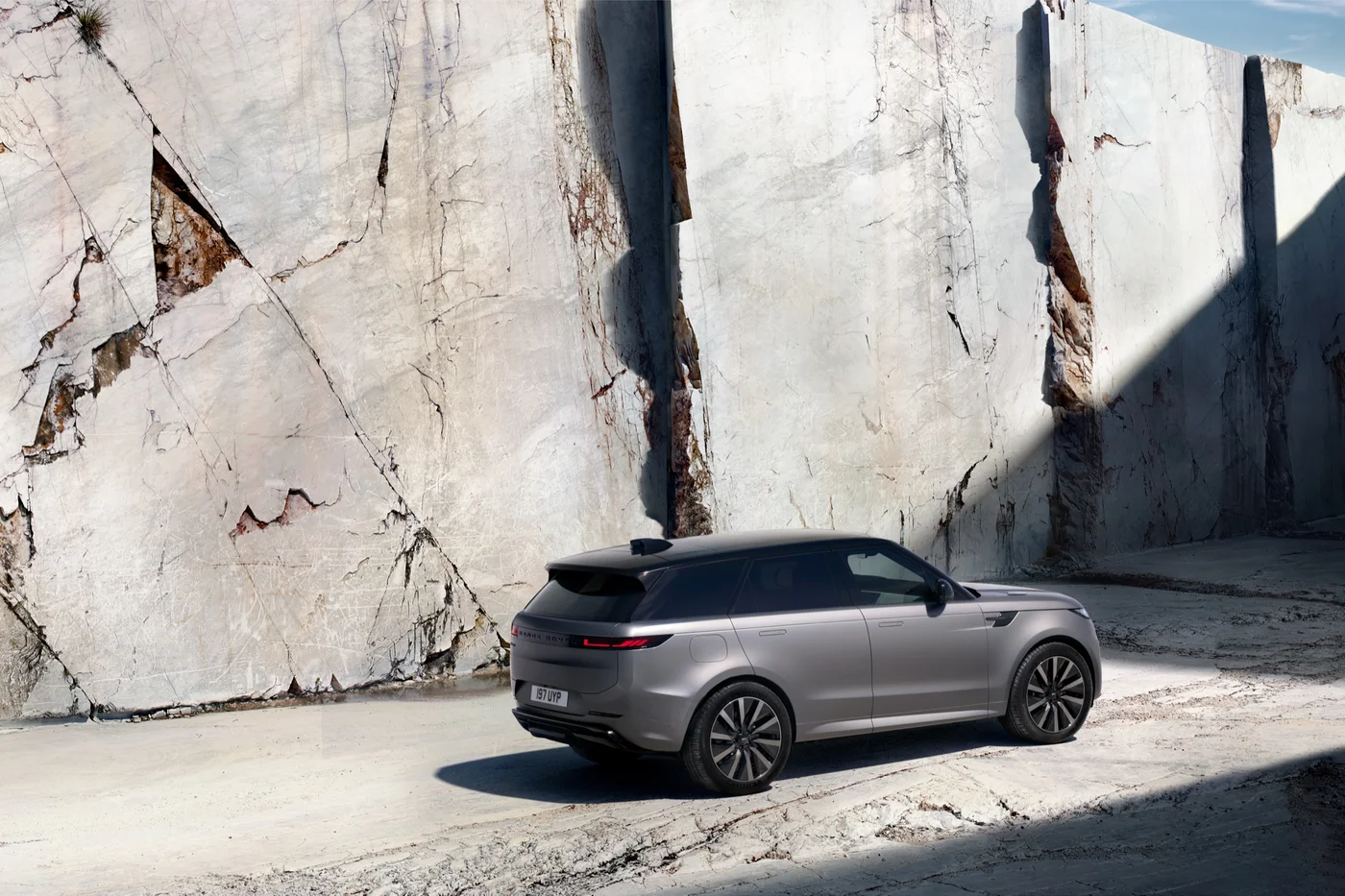
In Ireland and Germany, the range opens with the EV450 Dynamic SE, at €123,826 and €120,400 respectively. The First Edition costs €159,569 in Ireland and €153,500 in Germany. It's finished in Zadar Grey with a satin wrap, a black roof and 22-inch wheels, and inside it has Light Cloud and Ebony Ultrafabrics upholstery with black birch veneer.
Grants don't apply at this price. The SEAI grant isn't paid on cars costing over €50,000, which is also where VRT relief on electric cars stops, and the UK Electric Car Grant only covers cars up to £37,000. Autobiography buyers can also use Range Rover's Bespoke service for custom paint, materials and embroidery, which adds to the price.
The electric car is the most expensive way into a Range Rover Sport Dynamic SE. On the UK configurator, the Dynamic SE starts at £90,060 with a plug-in hybrid or diesel engine, so the EV550 costs £19,750 more. Range Rover hasn't said whether the cheaper EV450 will come to the UK. Against that premium, it costs far less to run than a petrol or diesel version if you charge at home.
Battery, range and charging
Source: Range Rover, under the JLR media user licence: media.jlr.com/range-rover/user-licence
The 118.5kWh battery is the same one used in the larger Range Rover Electric. Range Rover quotes up to 609 km (378 miles) on the WLTP cycle and a real-world estimate of up to 535 km (333 miles), which it bases on a production car driven over a standard route. Either way, that's a long day's motorway driving on one charge. Range Rover's German site puts its energy use at 22.7 kWh/100km.
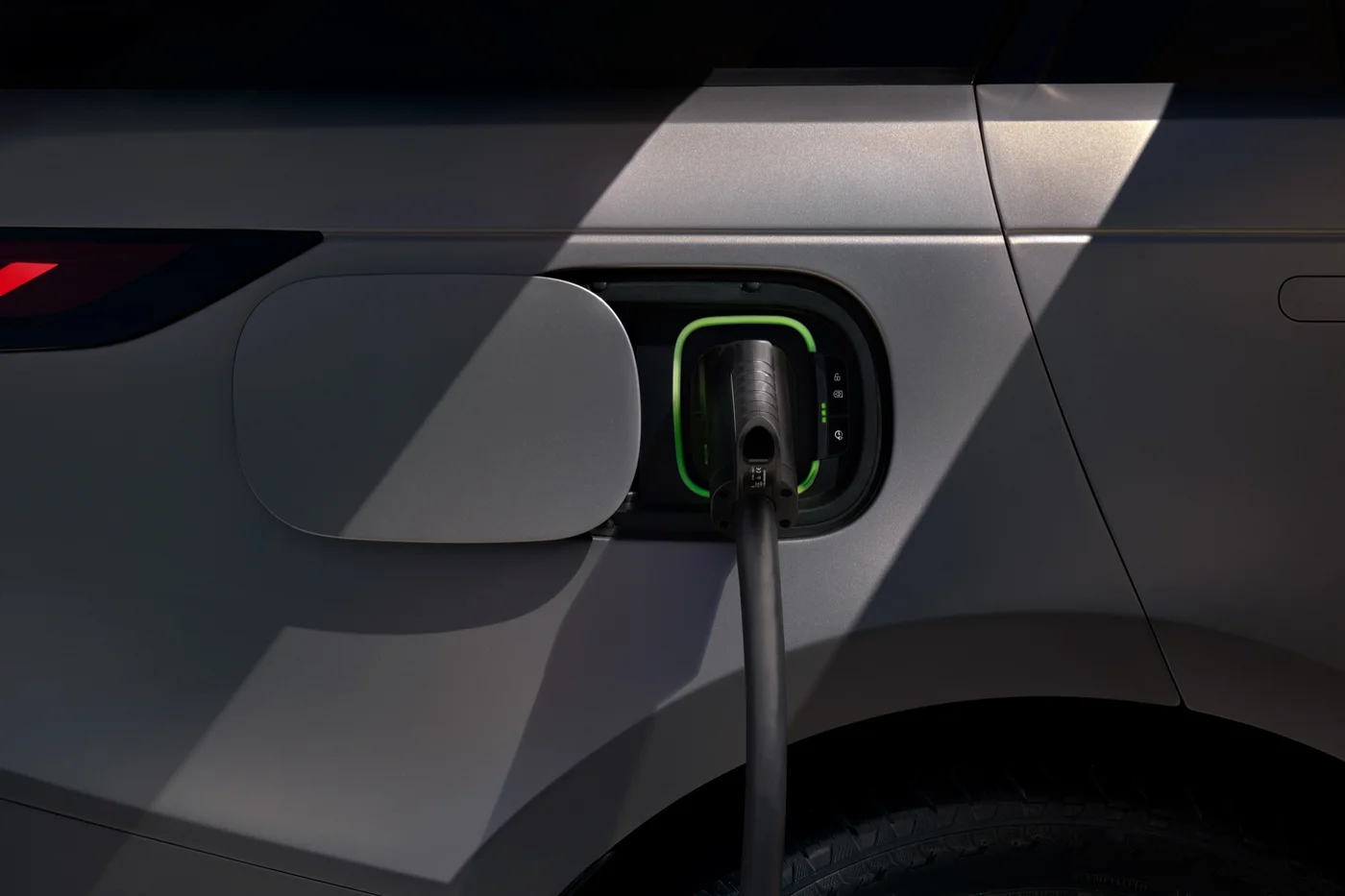
It runs on an 800-volt system with what Range Rover calls split charging, and on a 350 kW DC charger it goes from 10% to 80% in about 22 minutes, or adds up to 220 km (136 miles) in 10 minutes. In practice, a ten-minute stop adds enough range for a couple of hours of motorway driving.
At home, a full charge takes under 19 hours on a 7 kW wallbox, according to Range Rover. That's long because the battery is so big, but you'll rarely need a full charge from empty at home. With access to a 22 kW AC charger, a full charge takes under seven hours.
The battery is covered for eight years or 160,000 km (100,000 miles), and Range Rover monitors its health remotely through what it calls a Battery Digital Twin.
Range Rover also fits a heat management system it calls ThermAssist, developed for the Range Rover Electric, which is designed to cut the energy spent heating the battery and cabin. That matters in cold weather, when big EVs lose the most range. JLR says it tests live battery packs at its own laboratory, shaking them on multi-axis rigs at temperatures from -40°C to +90°C.
Performance
Source: Range Rover, under the JLR media user licence: media.jlr.com/range-rover/user-licence
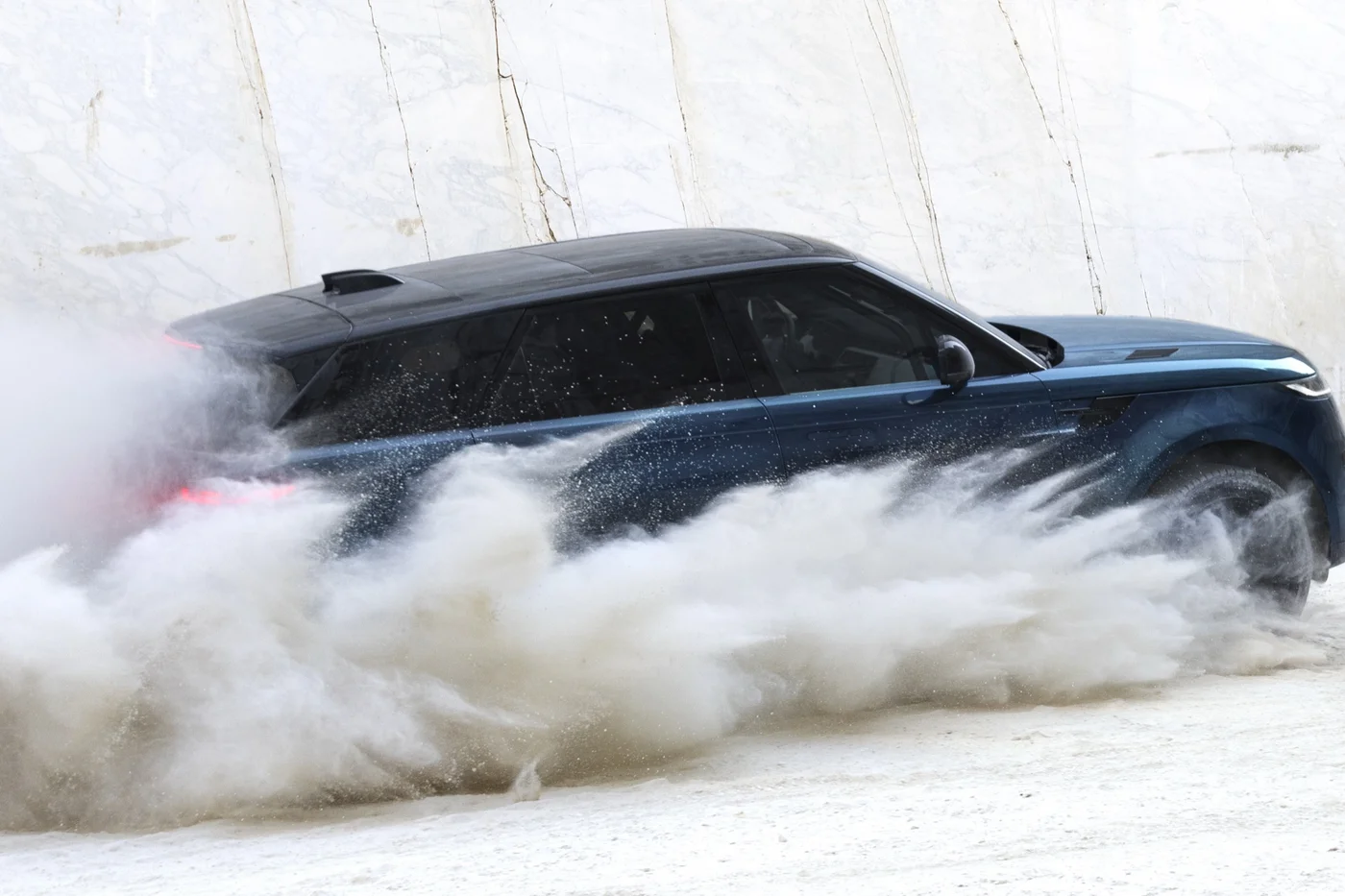
There are two motors, one on each axle, each rated at 260 kW. In the EV550 they give 405 kW (550 PS) and 850 Nm, which is more torque than any other Range Rover Sport. It does 0-100km/h in 4.5 seconds, or 0-60mph in 4.3 seconds with Dynamic Launch Mode, which Range Rover says matches the P540 V8 petrol version.
The EV450, sold in Ireland and Germany, has 331 kW (450 PS) and does 0-100km/h in 5.6 seconds. That's still quick for a car this heavy, and most buyers won't miss the difference.
Range Rover says the electric car's body is 61% stiffer and its centre of gravity 73 mm lower than the plug-in hybrid's, because the battery sits low in the floor. Air suspension, Twin Valve Dampers and Adaptive Dynamics are part of the package. The EV550 also gets Dynamic Response Pro as standard, which combines electronic active anti-roll control with all-wheel steering. On the EV450 it's an option.
Range Rover has also given the electric Sport its own sound design, a set of synthesised tones that change with the drive mode, rather than leaving it silent or imitating an engine. Torque builds 50% faster than in the Range Rover Electric, according to the company, to make it feel more responsive than its bigger sister.
Size and practicality
Towing is where the electric version falls short of the others. It can pull 2,500 kg, while the petrol and diesel Range Rover Sports manage 3,500 kg. Range Rover also warns that towing substantially cuts the range, and it offers an optional Towing Range Prediction feature that factors the trailer into the range estimate.
The boot holds 627 litres with the rear seats up and 1,471 litres with them folded, about 20 litres less than the petrol car, so the battery has taken very little space from the luggage area.
Off-road ability hasn't been sacrificed. Range Rover quotes a wading depth of up to 900 mm and the ability to climb 45-degree slopes, and its traction control is tuned specifically for the electric motors. The single-pedal driving mode can hold the car on a steep hill without the brake.
Tech and equipment
Source: Range Rover, under the JLR media user licence: media.jlr.com/range-rover/user-licence
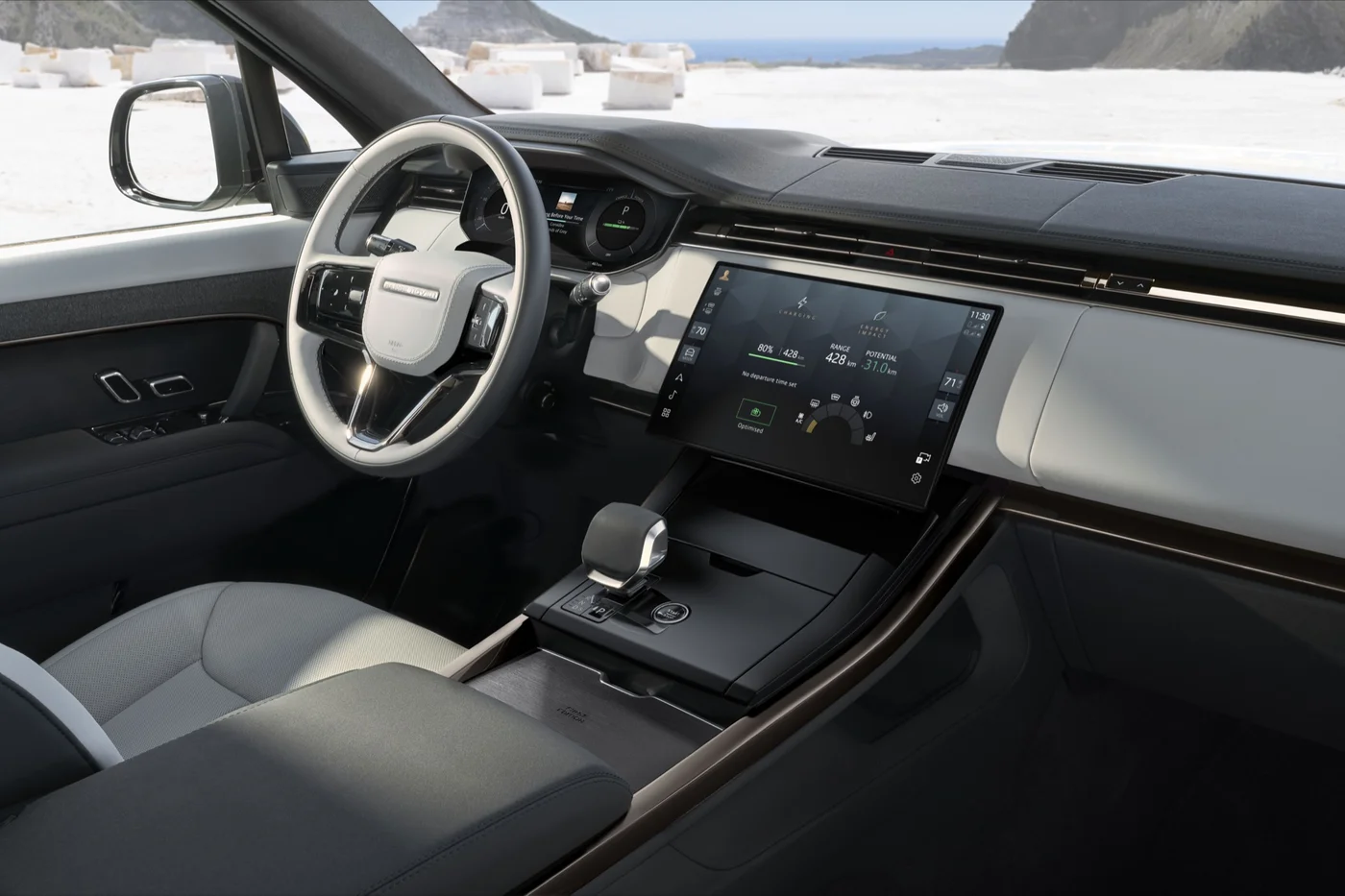
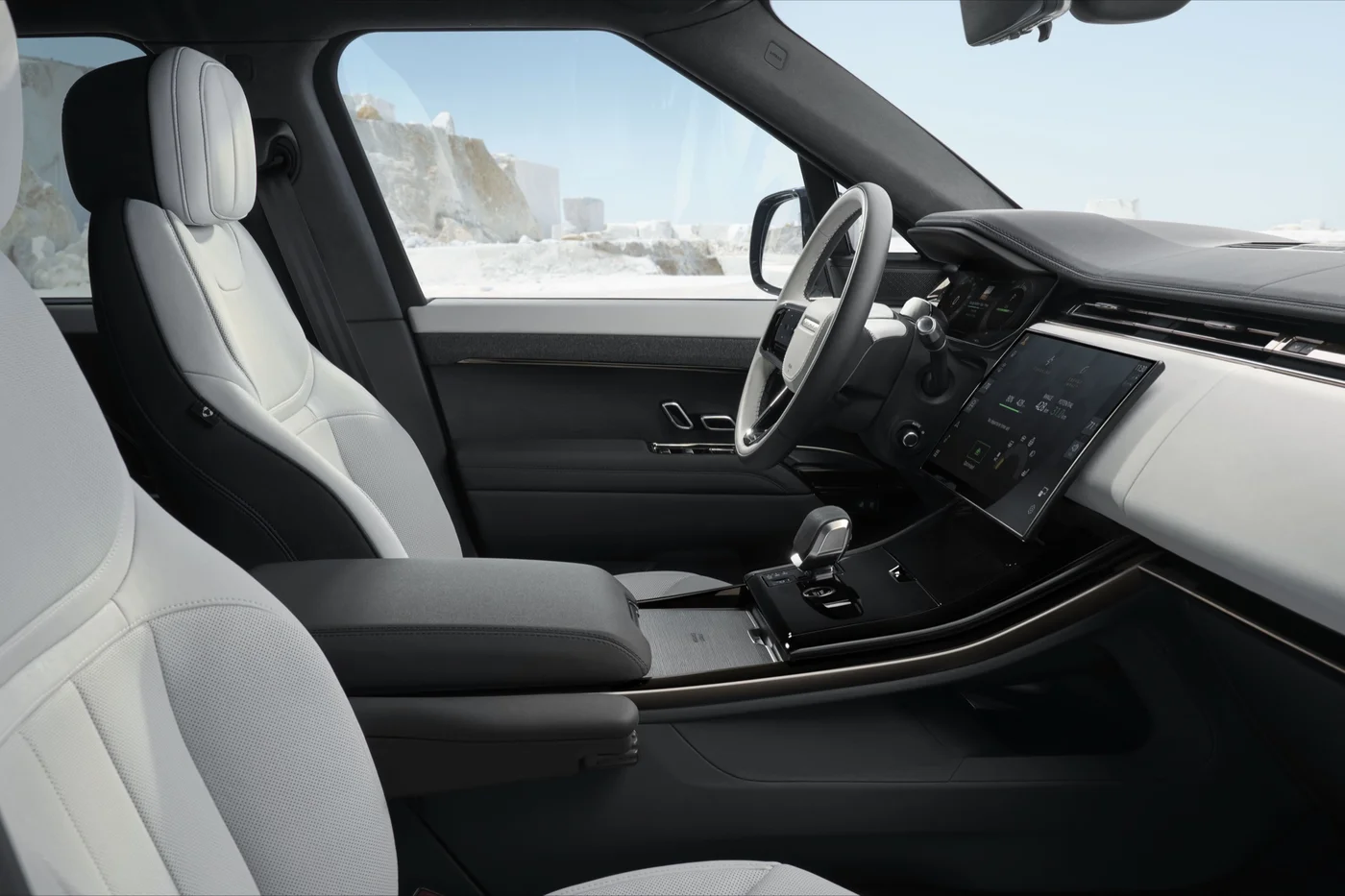
Inside, there's a 13.1-inch curved glass touchscreen running Range Rover's latest Pivi Pro system, and the Range Rover app lets you find and schedule charging. Software updates arrive over the air, though they need an active InControl account and the owner's consent.
The Dynamic SE gets the Dynamic Exterior Pack and Ultrafabrics seats, a synthetic, leather-free material that's only offered on the electric car. The Autobiography adds Pixel LED headlights and 22-way heated, ventilated and massaging front seats.
Source: Range Rover, under the JLR media user licence: media.jlr.com/range-rover/user-licence
The grille and alloy wheel designs are unique to the electric version and are shaped to cut drag. Range Rover says they add up to 16 km (10 miles) of range at motorway speeds. There's also an optional black pack and a satin wrap for a stealthier look.
Safety
The Range Rover Sport Electric hasn't been crash-tested by Euro NCAP yet. Range Rover says the battery sits in a high-strength aluminium enclosure and that the car is built to withstand high-energy impacts. Until Euro NCAP publishes a result, there's no independent rating to compare it with the plug-in hybrid Range Rover Sport or its rivals.
Source: Range Rover, under the JLR media user licence: media.jlr.com/range-rover/user-licence
Rivals
Range Rover Electric. The bigger, posher sister car shares the same battery and motors, and Range Rover quotes up to about 599 km (372 miles) on the WLTP cycle. It costs from £154,070 in the UK, more than £40,000 above the Sport.
Porsche Cayenne Electric. Porsche's electric SUV has up to 642 km (399 miles) of WLTP range and 10-80% charging in under 16 minutes on a fast enough charger. Porsche gave a preliminary UK price of £83,200 when it was announced.
Mercedes GLC Electric. If you want a premium electric SUV without the six-figure price, the GLC 400 4MATIC costs from €72,085 in Ireland and £60,350 in the UK, and goes up to 715 km on the WLTP cycle. It's smaller and can't match the Range Rover's towing or off-road ability.
Range Rover Sport Electric review: our verdict
The Range Rover Sport Electric makes the most sense for buyers who were already considering a plug-in hybrid or V8 Range Rover Sport and do most of their driving on roads with good fast chargers. A WLTP range of 609 km and 22-minute charging remove most of the compromises, and it's considerably cheaper than the electric Range Rover with the same battery and motors.
It's harder to recommend if you tow heavy trailers, because the 2,500 kg limit is 1,000 kg below the combustion versions. And at over €120,000 or £109,000, it's a lot more than the Porsche Cayenne Electric's starting price.
Strengths:
- Up to 609 km of WLTP range
- 10-80% charging in about 22 minutes
- Same off-road kit as the combustion car, including 900 mm wading
Weaknesses:
- 2,500 kg towing limit, against 3,500 kg for petrol and diesel versions
- No grants in Ireland or the UK
- No Euro NCAP rating yet
FAQs
How much is the Range Rover Sport Electric in the UK?
It starts at £109,810 on the road for the EV550 Dynamic SE. The Autobiography costs £122,780 and the First Edition £126,290.
How far can the Range Rover Sport Electric tow?
Up to 2,500 kg. That's 1,000 kg less than the petrol and diesel Range Rover Sport, and towing will cut the range substantially.
How long does the Range Rover Sport Electric take to charge?
About 22 minutes from 10% to 80% on a 350 kW DC charger. A full charge takes under seven hours on a 22 kW AC charger and under 19 hours on a 7 kW home wallbox.