How German type classes set the price
Every car in Germany is given a type class (Typklasse) each year by the insurers' association GDV, based on how often that model is involved in claims and how much they cost. Fully comprehensive classes run from 10 to 34, and the higher the class, the higher the premium.
| Model | 2027 class | Rival | 2027 class |
|---|
| Nio EL6 | 29 | Tesla Model Y | 22 |
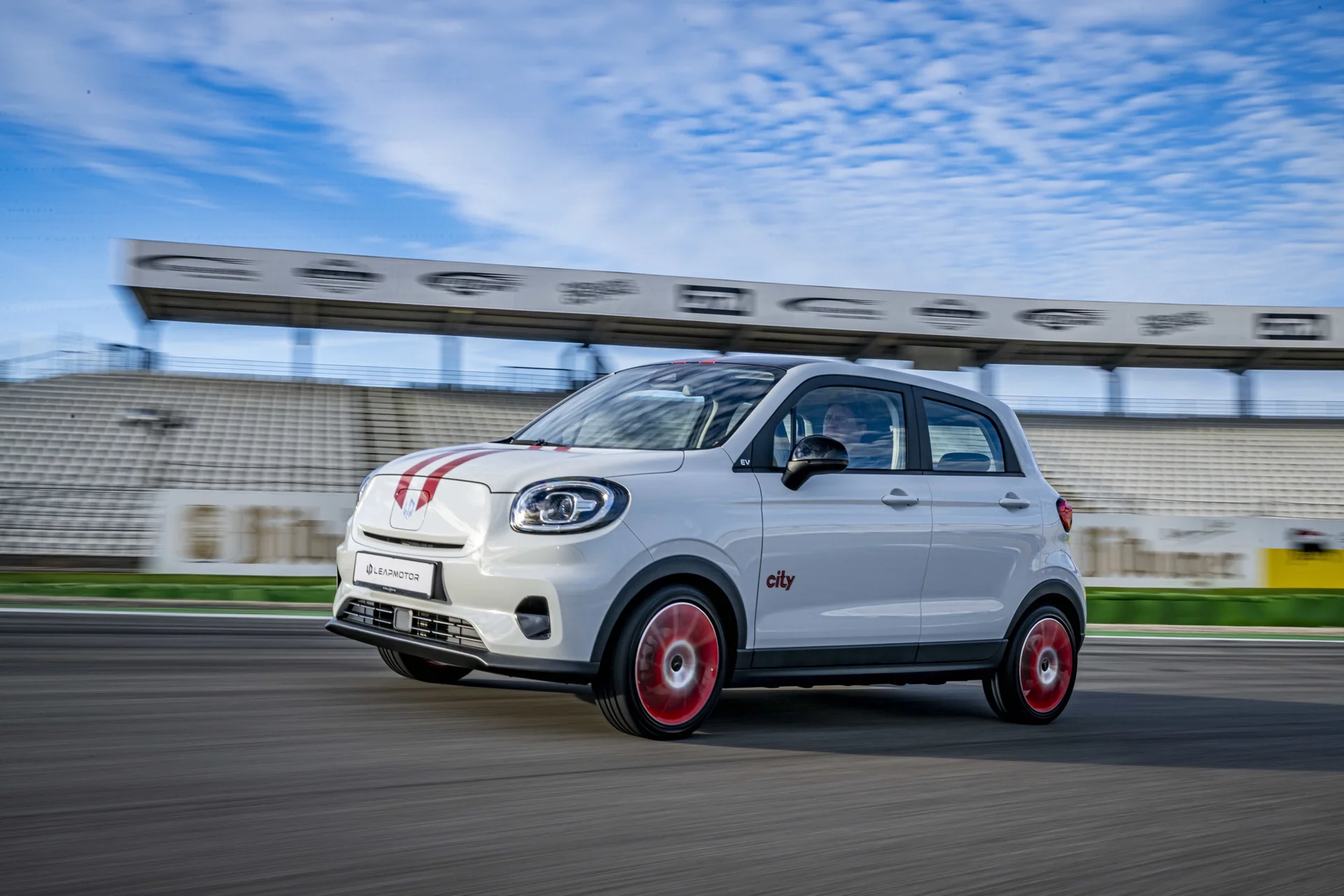
| Leapmotor T03 | 22 | Fiat 500e | 16 |
| Lynk & Co 02 | 25 | VW ID.4 Pure | 21 |
| MG4 Electric | 19 | VW ID.3 Pure | 19 |
| GWM Ora 03 | 20 | Peugeot e-308 | 23 |
(Fully comprehensive type classes for 2027, as listed in the Verivox data. Most policies move to the new classes from 1 January.)
The reason newer brands sit higher is a lack of history. Insurers can only estimate the damage risk and repair costs of a new model, and with a brand that has been on sale in Germany for only a few years, they also know little about parts prices and how long parts take to arrive. Each insurer adds its own pricing on top, which is why the MG4 and ID.3 Pure share class 19 and the MG still costs more.
The gap is closing, though. According to the Allianz Centre for Technology, Chinese models have improved by 1.5 type classes on average since 2024, while European brands have slipped by half a class as their parts and repairs have become more expensive.
What it means outside Germany
Premiums in other countries will differ, so don't assume the German percentages carry over. The logic does. In the UK, new cars are now rated under Thatcham Research's Vehicle Risk Rating, which replaced the old 1-50 insurance groups and scores each car on damageability and repairability as well as performance, safety and security. BYD signed a 12-month deal with Thatcham from January 2026 to make its UK models cheaper to repair and insure.
The Netherlands shows how far it can go. The insurer Univé currently won't insure nine newer brands at all: Changan, Hongqi, Jaecoo, KGM, Leapmotor, MHero, Omoda, VinFast and Voyah. It says this isn't about where the cars come from or their quality, but about whether parts, technical information and enough capable repairers are available, and that it will look again as brands invest in them.
If you're choosing between a Chinese EV and a European rival, say a Leapmotor and a VW, get an insurance quote for both before you decide, and ask the dealer how quickly body parts are delivered. A few hundred euros a year can cancel out a good part of a lower list price.