The problem
The fault is in the programming of the EV control unit, which manages the high-voltage battery. When the battery is nearly full and the car spends a long time in regenerative braking, for example on a long descent, the software can let the battery overcharge. Low temperatures make it more likely. When it happens, a buzzer sounds and a warning appears in the instrument display, and the electric drive can then shut down. Losing drive power at speed raises the risk of a crash.
Toyota told the US safety regulator, NHTSA, that it knew of no accidents or injuries linked to the fault, and the KBA says it knows of no damage or injuries either.
What owners should do
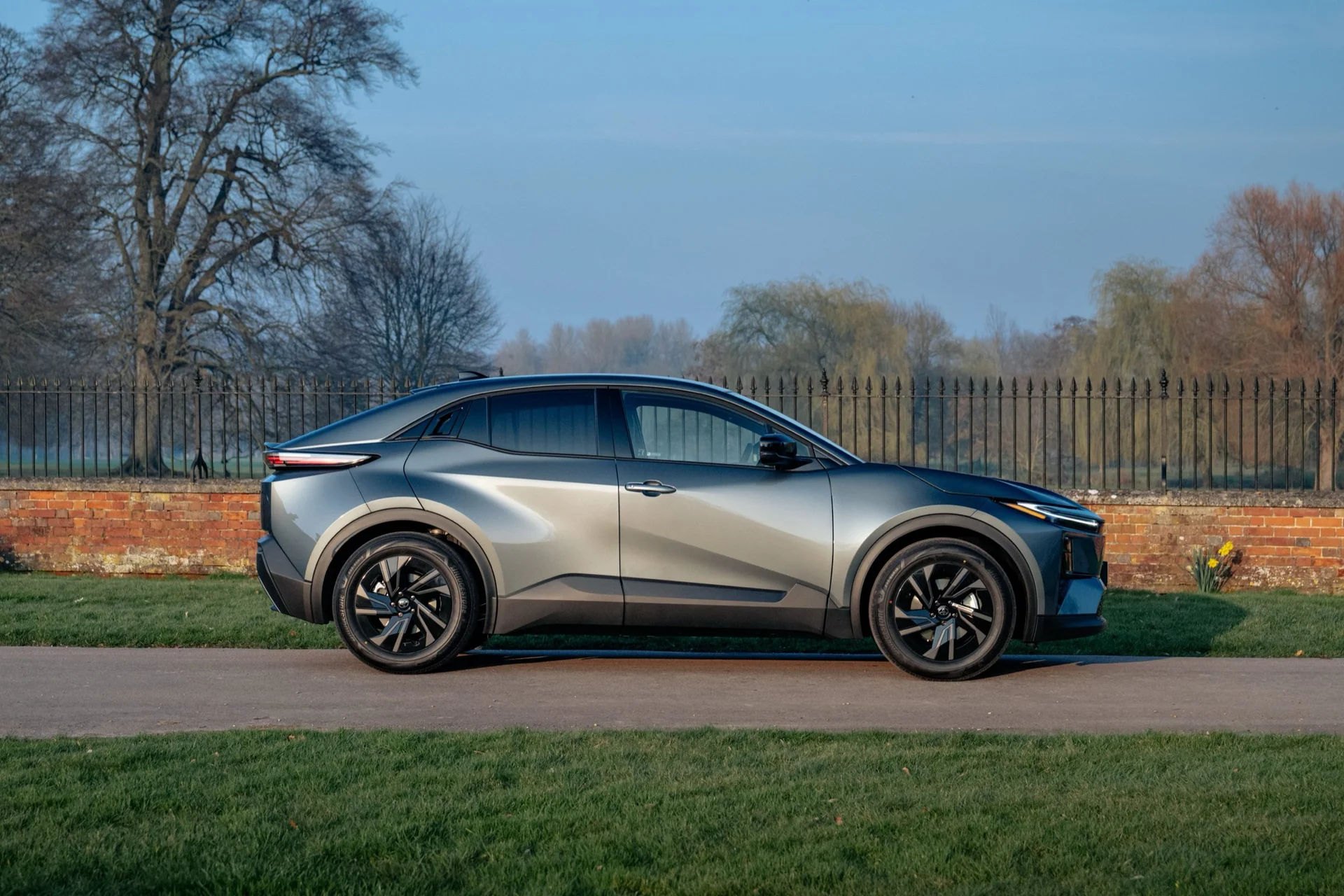
If you own a C-HR+ built in those dates, contact a Toyota dealer with your VIN, quoting the recall code 26SD-102, and book the update. In Germany, Toyota also has a recall phone line. Owners are usually contacted by letter, but you don't have to wait for one.
Until the update is done, the conditions to be aware of are a full or nearly full battery combined with a long descent. If the warning comes on, pull over safely when you can and contact Toyota.
In the UK, you can look up recalls on the GOV.UK vehicle recall checker. In Ireland, ask your Toyota dealer or check the RSA's list of vehicle recalls.
What happens next
The dealer checks the software version and reprograms the EV control unit if it needs the update. The KBA still lists the recall as under investigation, so more markets and details may follow. We'll update this article when Toyota publishes UK and Irish figures.
The C-HR+ is otherwise one of Toyota's longest-range EVs, with up to 607 km of WLTP range: see our Toyota C-HR+ review and the Toyota C-HR+ specs and prices.