
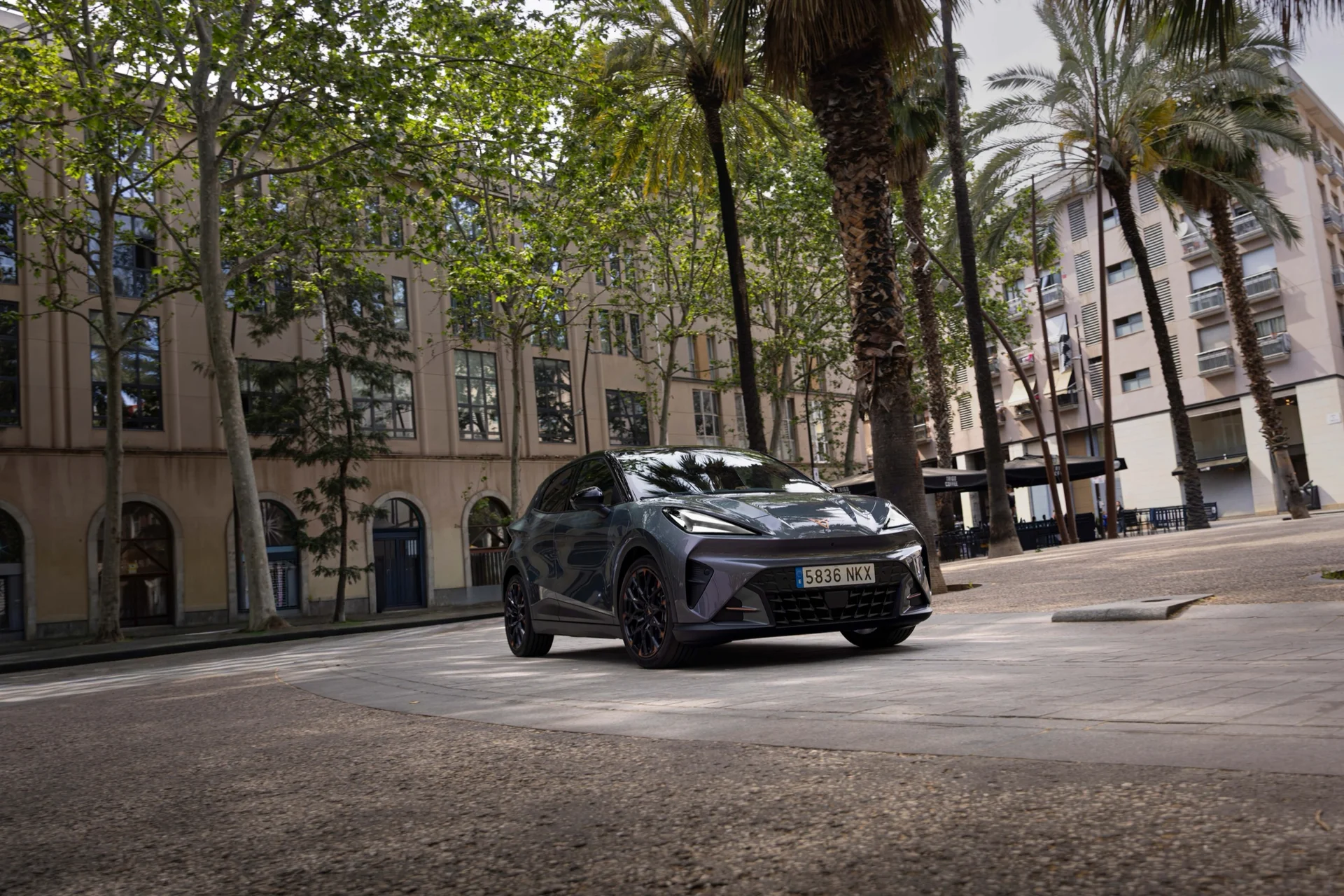
The Raval is Cupra's smallest electric car, sitting below the Born, and the first of the brand's new urban EVs. It's a sharply styled four-metre hatchback built in Martorell near Barcelona, and it starts at around €26,000 in Germany, France and Spain, and £23,785 in the UK.
There are two batteries, 37kWh and 52kWh, and a choice of four power outputs, from a 116 PS city car to the 226 PS VZ. The bigger battery gives a WLTP range of 443 km (275 miles).
Key specs
| 37kWh | 52kWh | VZ | |
|---|---|---|---|
| Battery chemistry | LFP | NMC | NMC |
| Power | 85-99 kW (116-135 PS) | 155 kW (211 PS) | 166 kW (226 PS) |
| WLTP range | up to 300 km | 443 km (275 miles) | not confirmed |
| 10-80% DC charge | about 23 minutes | about 24 minutes | about 24 minutes |
| 0-100km/h | not published | 7.1 seconds | not published |
| Boot | 441 litres | 441 litres | 441 litres |
| Length | 4,046 mm | 4,046 mm | 4,046 mm |
Prices
| Market | 37kWh from | 52kWh from | VZ from |
|---|---|---|---|
| Germany | €25,950 | €34,790 | €39,990 |
| France | €25,995 | not published | not published |
| Spain | €26,000 | not published | not published |
| Ireland | €23,495 | €32,125 | €36,825 |
| UK | £23,785 | £29,995 | £34,995 |
(Prices correct at 28 October 2026. Irish prices include the SEAI grant and VRT relief. UK prices are before the £1,500 Electric Car Grant, which applies to 52kWh models only.)
Source: Cupra
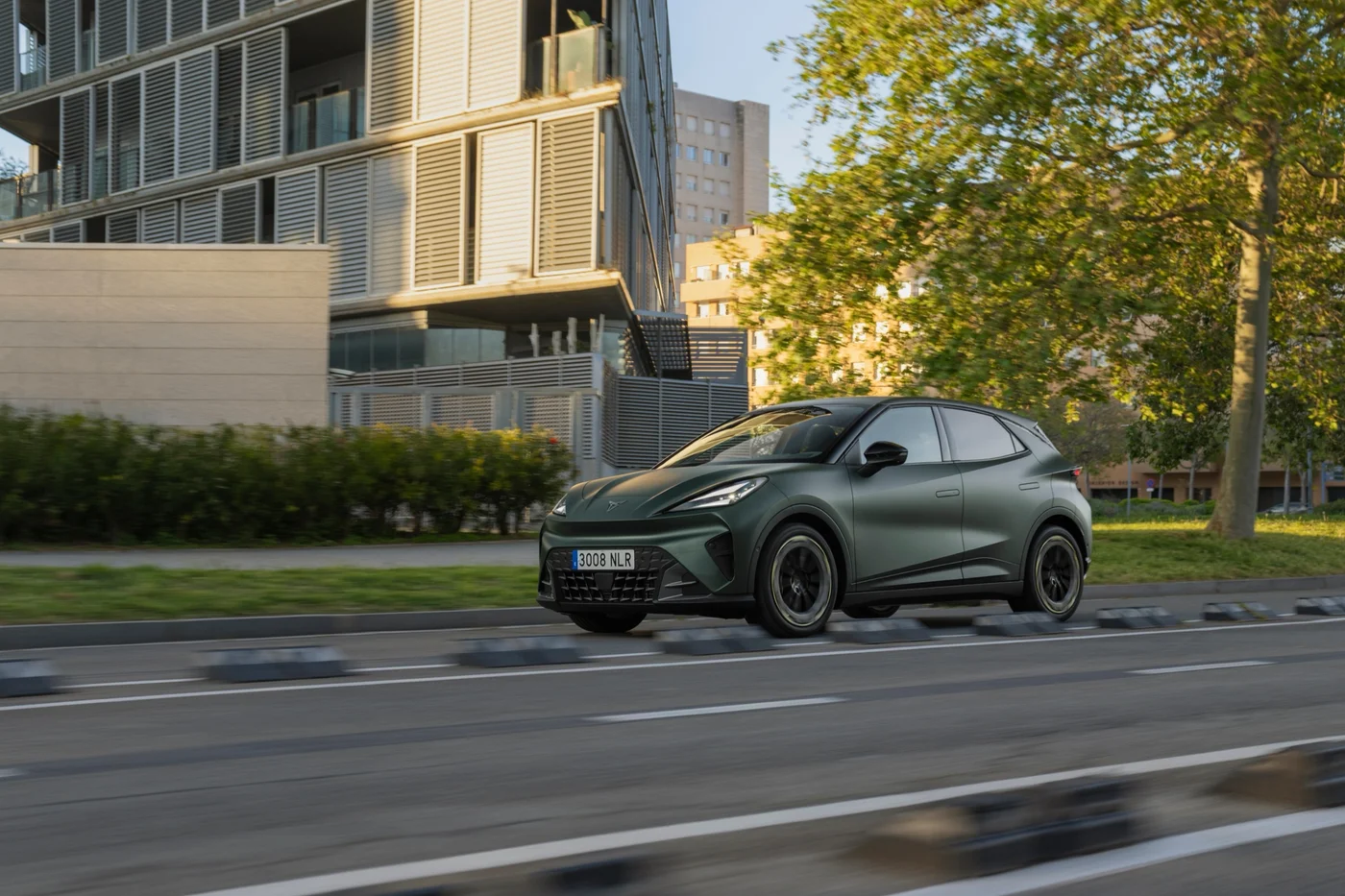
Most markets launched the Raval with the higher-spec 52kWh models first, and the cheaper 37kWh versions followed in September. In Germany, the entry 37kWh car costs €25,950, the 135 PS Plus €29,850, the 52kWh Endurance €34,790 and the VZ €39,990.
Incentives make a noticeable difference in some countries. In Spain, launch offers combined with the Plan Auto+ incentive bring the starting price down to around €24,200. In the UK, the 52kWh models qualify for the £1,500 Electric Car Grant, bringing the 52kWh V1 down to £28,495. Cupra hasn't confirmed grant eligibility for the UK's 37kWh cars.
Trim names vary by country. In the UK, the range runs Origin, V1, V2, VZ and VZ Extreme, from £23,785 to £36,310. Ireland uses Urban for the 37kWh cars and Endurance for the 52kWh cars, with the VZ at the top.
Range and charging
Source: Cupra
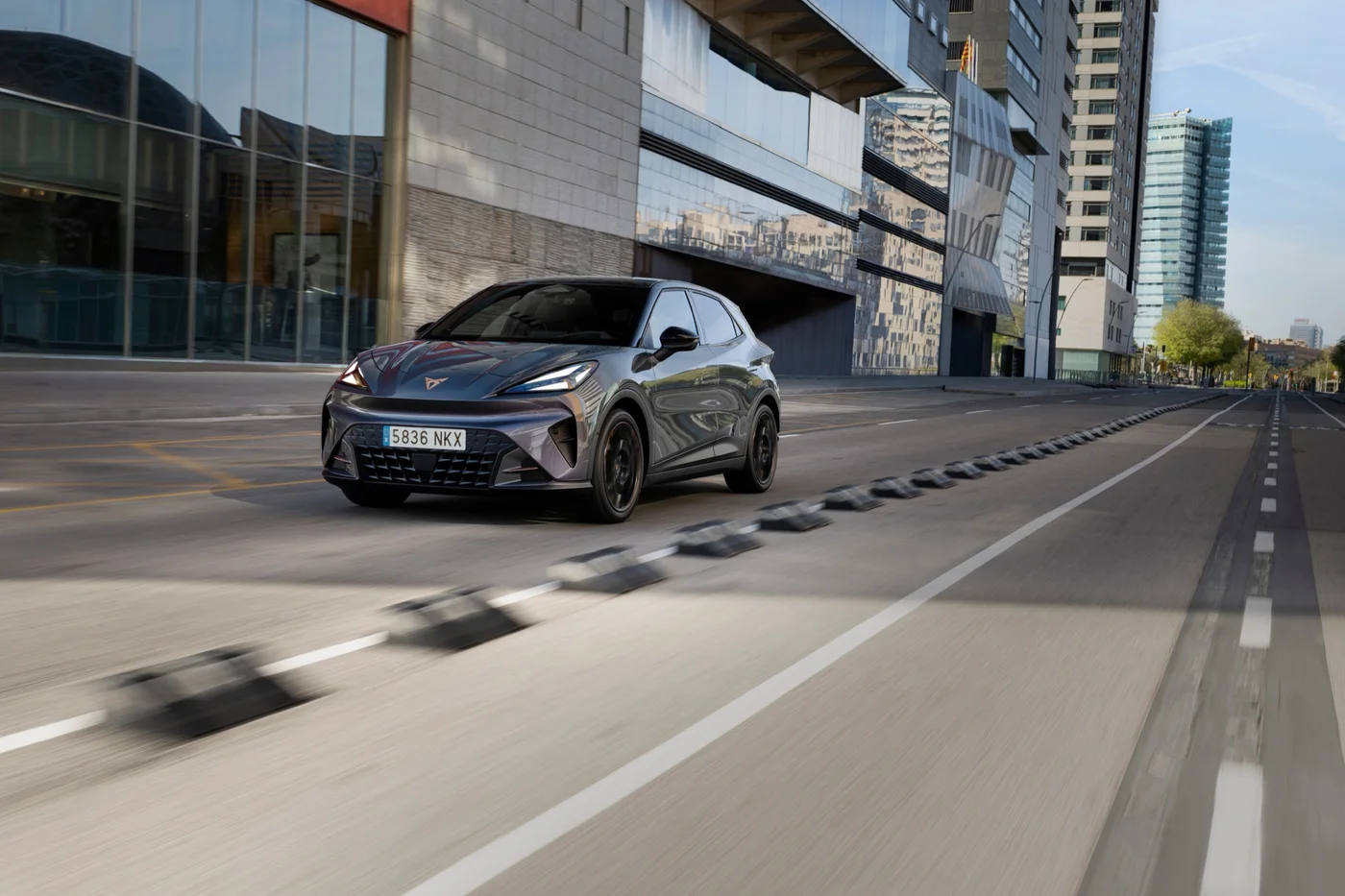
The 52kWh Raval has a WLTP range of 443 km (275 miles). That's competitive for a car this size, although the Hyundai Ioniq 3's bigger 61kWh battery goes further.
The 37kWh car is rated at up to 300 km. It uses a new lithium iron phosphate (LFP) battery, which is cheaper to make than the 52kWh car's nickel manganese cobalt (NMC) pack but stores less energy for its weight. If most of your driving is local and you can charge at home, that's plenty.
Charging is quick for both. Cupra quotes a peak of 88 kW for the 37kWh Plus, which charges from 10% to 80% in around 23 minutes. The 52kWh battery takes around 24 minutes for the same charge, although in the UK the faster charging comes as part of an optional package, so check the specification of the car you're looking at.
At home, the 37kWh Plus can charge at up to 11 kW on a three-phase supply. Most homes have single-phase power, which limits wallbox charging to around 7 kW, but that's still enough to charge overnight.
Vehicle-to-load (V2L) is available as part of the EDGE pack, so you can power laptops, lights or camping gear from the car's battery. Some versions, such as the Endurance V2 in Ireland, also support vehicle-to-home (V2H) charging with compatible home equipment.
Performance
Source: Cupra
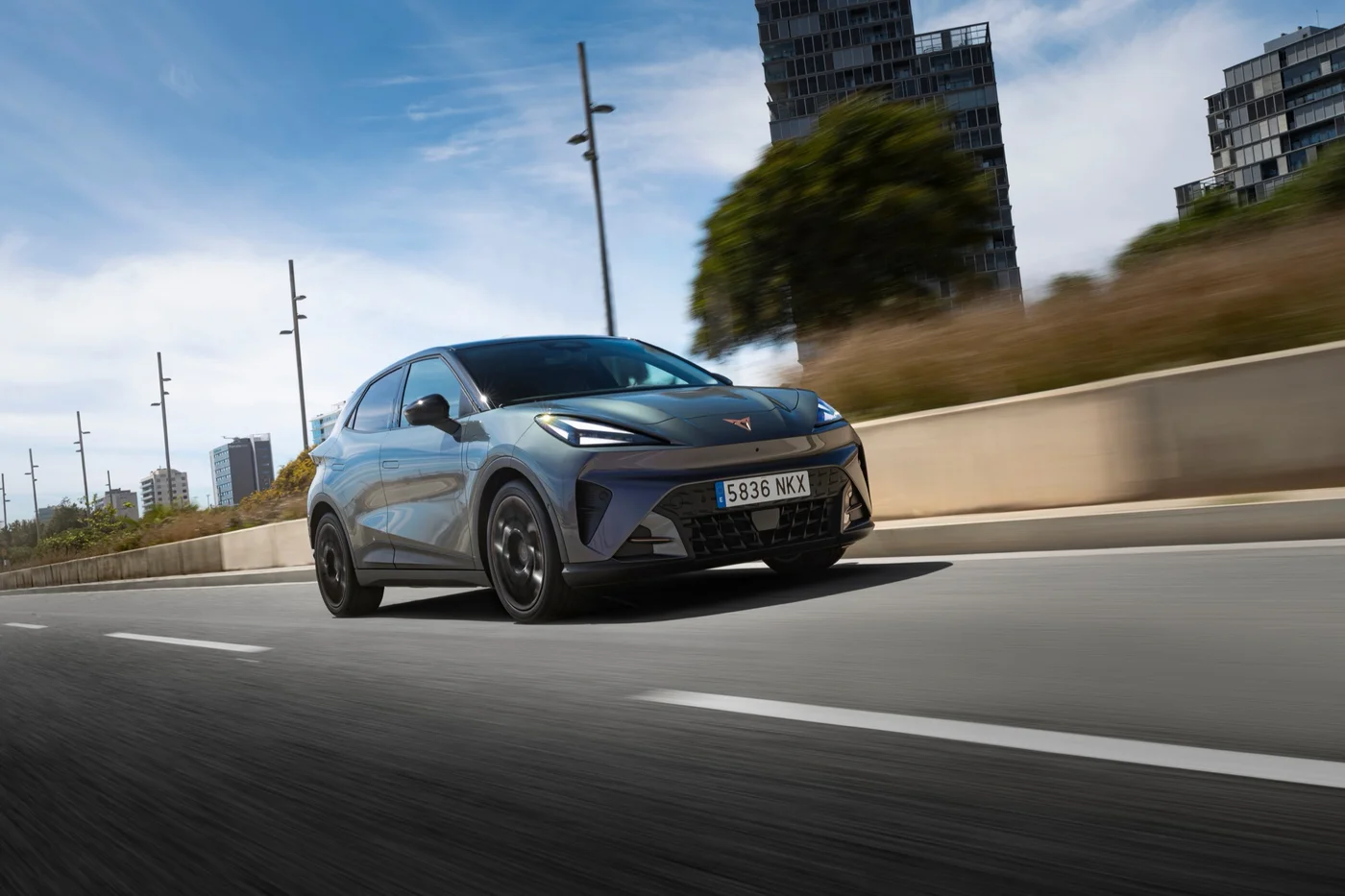
The 52kWh Raval has 155 kW (211 PS) and gets from 0-100km/h in 7.1 seconds, with a top speed of 160 km/h. That's quick for a small hatchback.
The 37kWh versions have 116 PS or 135 PS, which is plenty for town and suburban driving. All versions are front-wheel drive.
The VZ is the one Cupra will want you to notice. It has 166 kW (226 PS), lowered sports suspension with adaptive dampers, a wider track and an electronic limited-slip differential, which helps put the power down out of tight corners. Cupra hasn't yet published an acceleration time or an official range for each VZ wheel size.
Size and practicality
At 4,046 mm long, 1,784 mm wide and 1,514 mm tall, the Raval is a genuinely small car, easy to park and well suited to narrow city streets. It seats five.
Source: Cupra
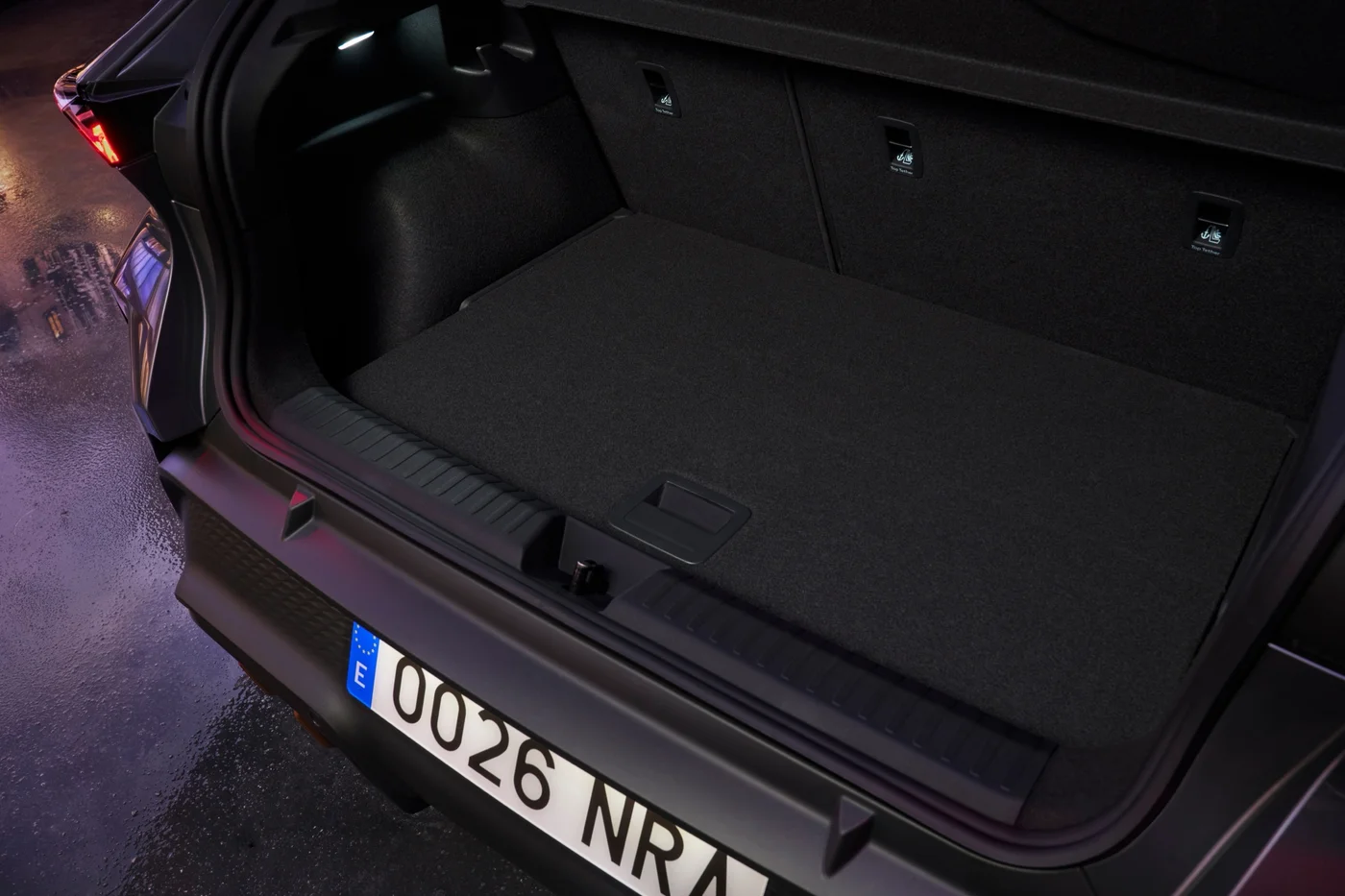
The boot is bigger than you'd expect from the outside. Cupra quotes 441 litres, which matches the larger Hyundai Ioniq 3 and is a lot for a car this size. There's underfloor storage for the charging cables too.
Design
Source: Cupra
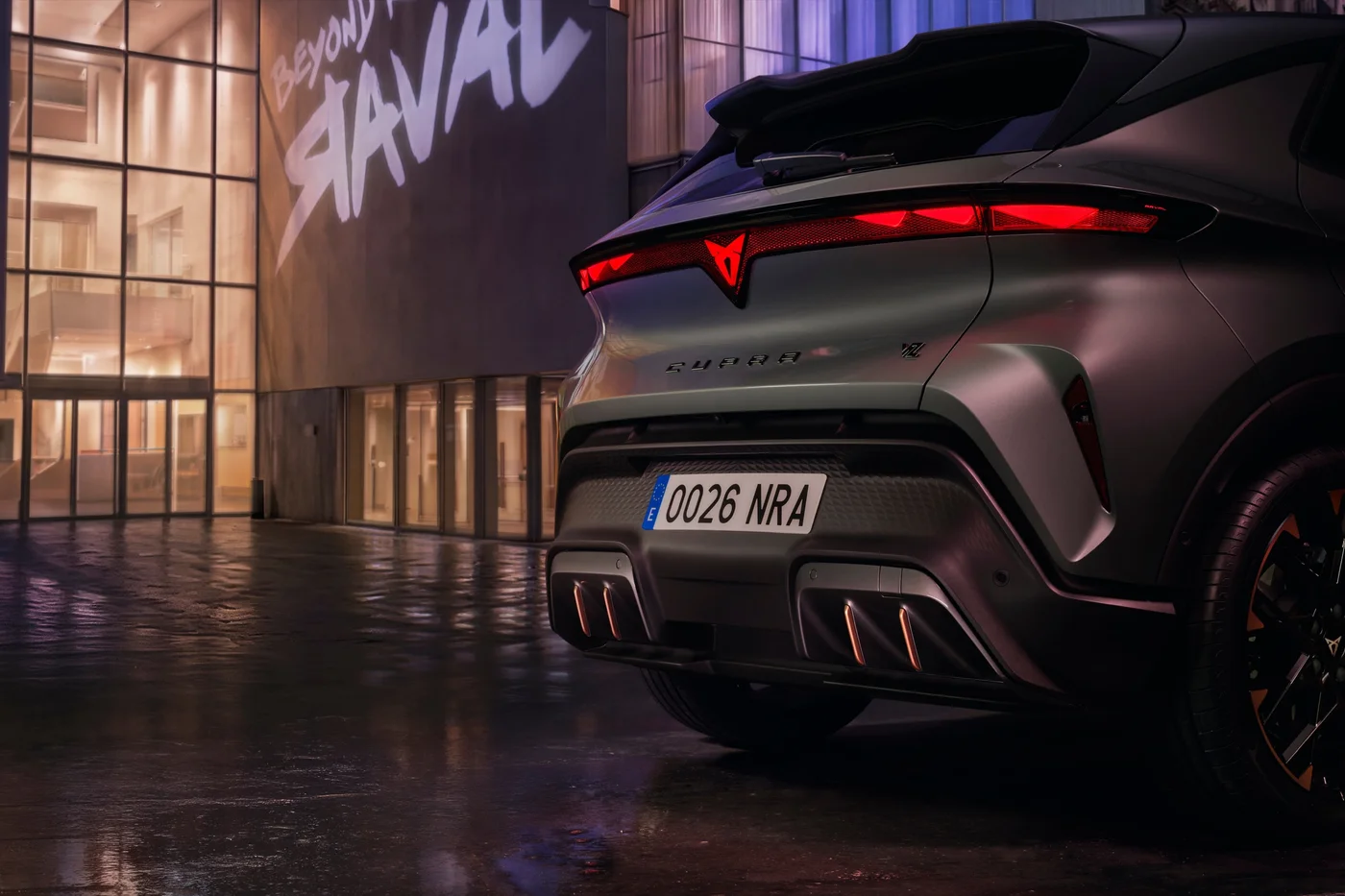
The Raval looks more aggressive than most small EVs. The back has a full-width light bar above a sculpted diffuser, and the launch cars wear copper details and wheels of up to 19 inches.
Underneath, it shares the Volkswagen Group's MEB+ platform for small EVs with the Volkswagen ID Polo, and both are built at the Seat and Cupra plant in Martorell.
Tech and equipment
Source: Cupra
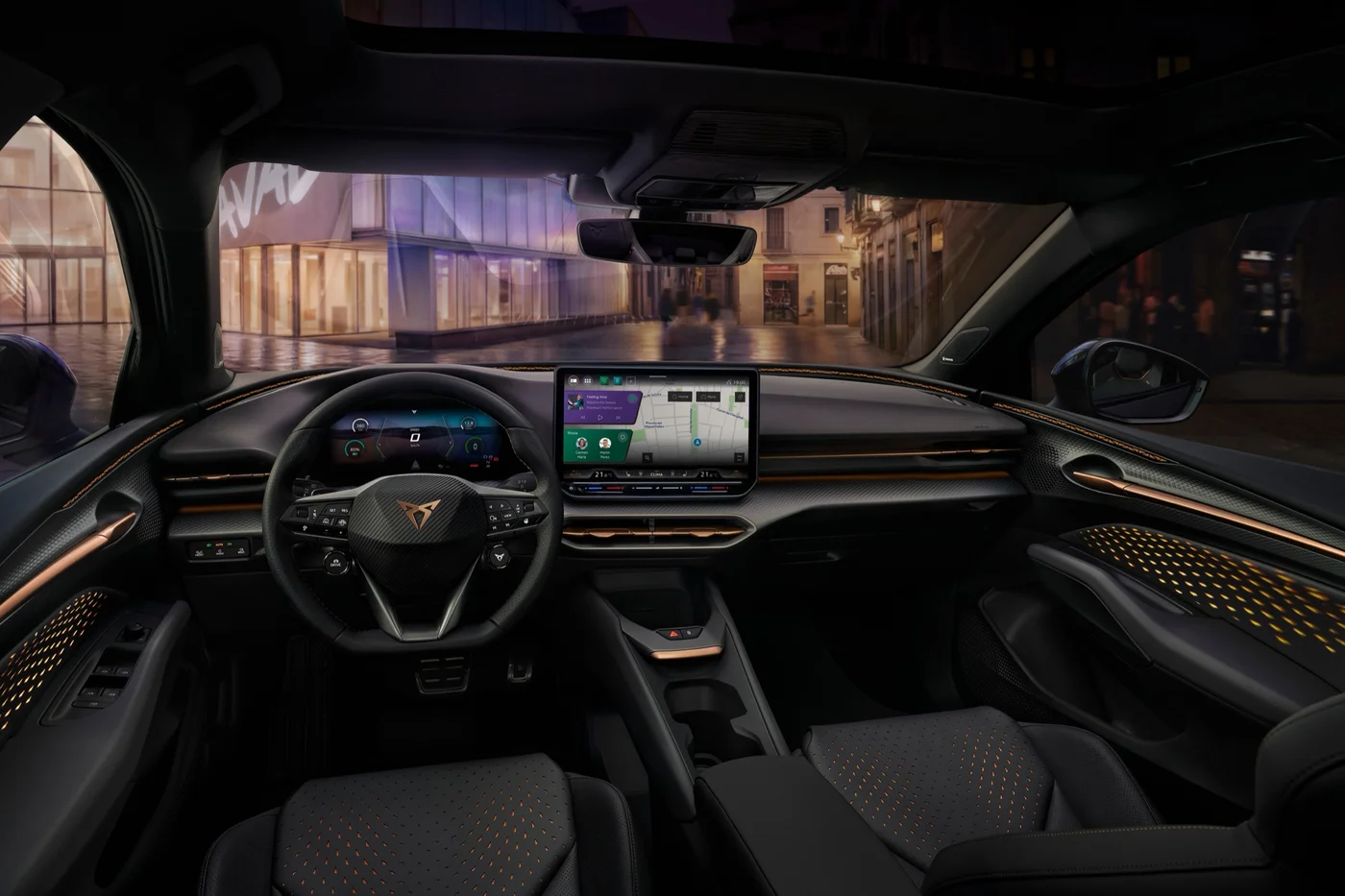
Every Raval has a 10.25-inch digital instrument display and a 12.9-inch central touchscreen, with wireless Apple CarPlay and Android Auto.
Equipment varies by market and trim, but Cupra groups the main extras into three packs. EDGE adds 15W wireless phone charging, vehicle-to-load, keyless entry and a smartphone digital key. DRIVE brings Travel Assist 3.0, Remote Park Assist and a top-view camera. LIGHT & SOUND adds a 12-speaker Sennheiser sound system and ambient lighting.
Source: Cupra
Even the entry cars come reasonably well equipped. The cheapest Irish Urban V1, for example, has 17-inch alloys, both screens, rear parking sensors and a full set of driver assistance systems. Stepping up to the next trim adds 18-inch alloys, a rear-view camera, heated front seats and keyless entry, which is the upgrade most buyers will want.
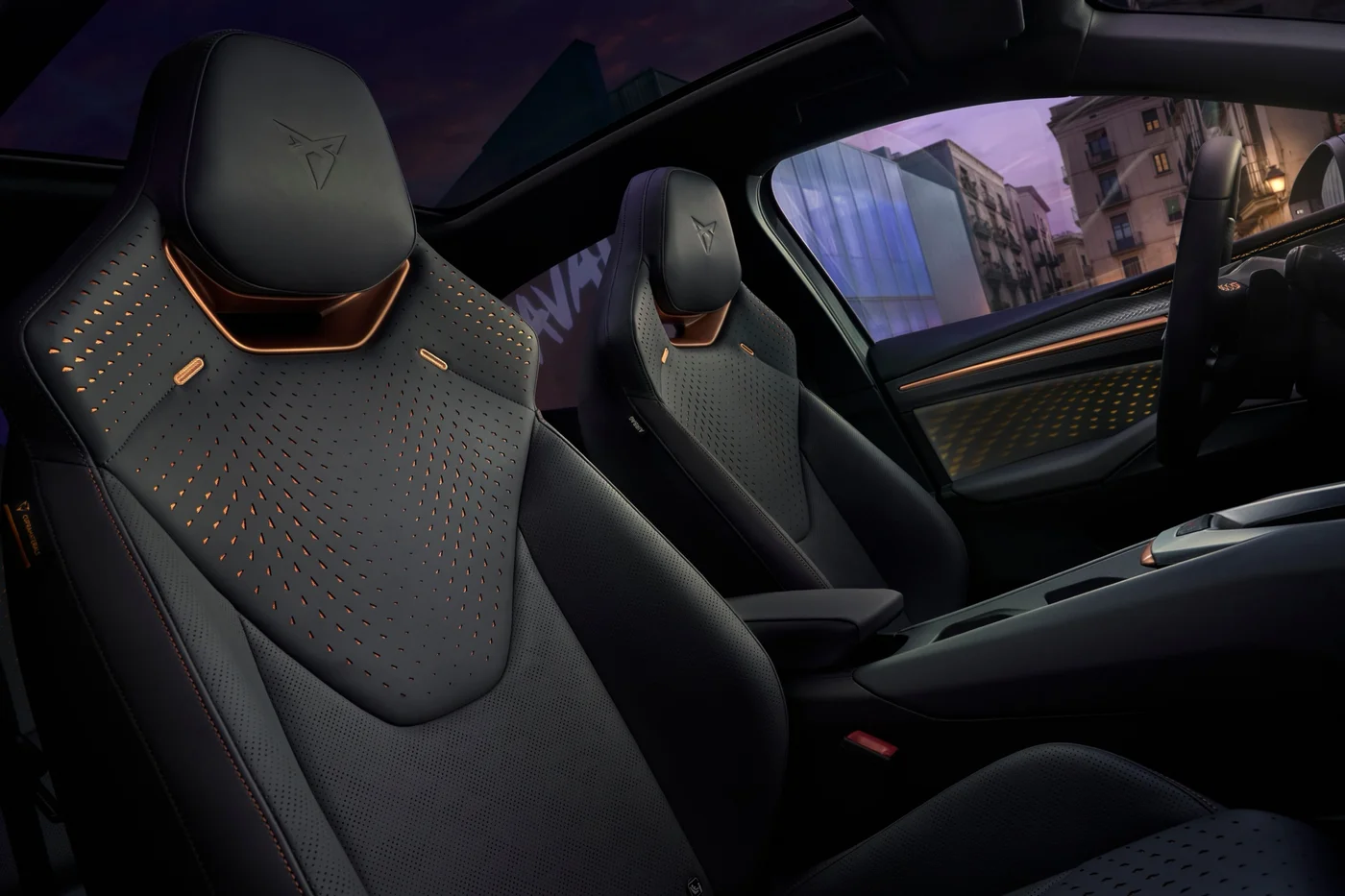
The 52kWh cars add adaptive cruise control, and in the UK the V1 52kWh comes with 18-inch alloys, Pulse Sport seats, LED headlights and rear parking sensors. The VZ gets 19-inch alloys and Dinamica bucket seats, which hold you in place better on a twisty road.
Safety
Source: Cupra
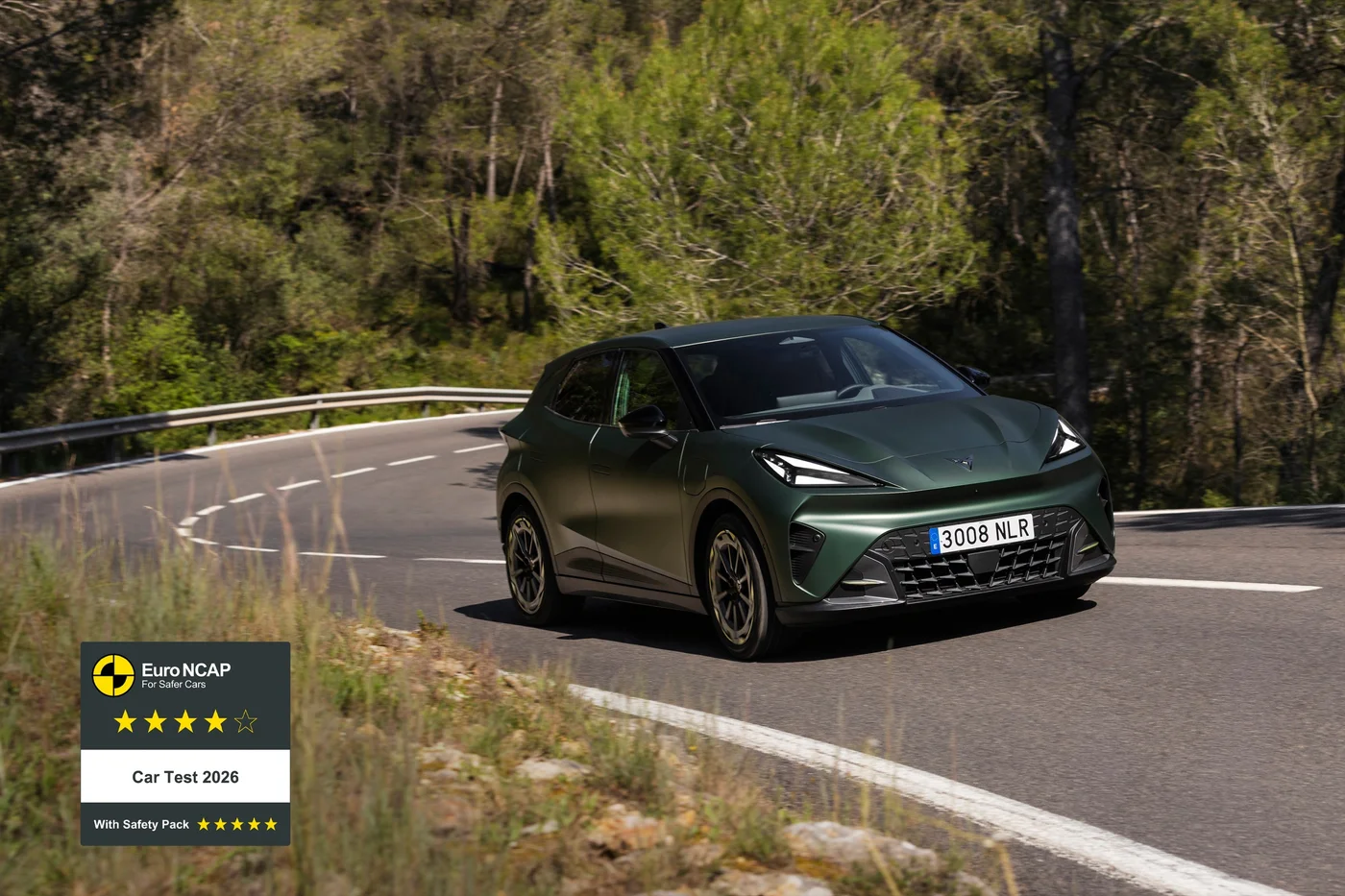
Euro NCAP tested the Raval under its stricter 2026 rules. With the optional Safety Pack, which adds predictive adaptive cruise control and front cross-traffic alert, it scored five stars: 91% for crash protection, 77% for crash avoidance, 72% for safe driving and 95% for post-crash safety. Without the pack, it gets four stars.
Cupra says the Plus, Endurance and VZ versions achieve five stars as standard, so it's mainly the entry-level cars where you need to check. Its safety systems include automatic emergency braking, lane support and an automatic emergency call.
Availability and warranty
The Raval is on sale across Europe. Irish deliveries started in late August, the cheaper 37kWh versions arrived in most markets from September, and UK deliveries are due to start towards the end of 2026.
In Ireland and the UK, Cupra offers a five-year warranty, with the battery covered for eight years. In the UK, those limits are 90,000 miles for the car and 100,000 miles for the battery.
Rivals
| Car | Battery | WLTP range |
|---|---|---|
| Hyundai Ioniq 3 Long Range | 61kWh | 497 km |
| Volkswagen ID Polo | 52kWh | up to 452 km |
| Cupra Raval | 52kWh | 443 km |
| Renault 5 | 52kWh | 430 km |
The Volkswagen ID Polo is the Raval's sister car, built on the same platform in the same factory, with a more conservative design. The Hyundai Ioniq 3 is longer and goes further on its larger battery, with the same 441-litre boot. The Renault 5 is the obvious style rival, with a similar range from its 52kWh battery. Of these four, only the Raval VZ has adaptive dampers and a limited-slip differential.
Which Raval should you buy?
The 37kWh Plus is the sweet spot for mostly urban driving. It has 135 PS, around 300 km of range, 11 kW home charging and the 23-minute rapid charge, for around €29,850 in Germany.
If you regularly drive longer distances, the 52kWh battery's 443 km is worth the extra. In the UK, the grant narrows the gap, with the V1 52kWh at £28,495 against £26,995 for the 37kWh V1.
The VZ is for people who enjoy driving. It costs €39,990 in Germany and £33,495 in the UK after the grant, and its chassis hardware is a real step up from the standard cars.
Whichever you choose, make sure the Safety Pack is fitted.
Our verdict
The Cupra Raval is a well-judged small EV. The 441-litre boot is big for its size, the 52kWh battery has a competitive range, and charging is quick across the range. The VZ adds a properly sporty option that its main rivals don't have.
Strengths
- 441-litre boot
- Quick charging on both batteries
- 443 km range from the 52kWh battery
- The VZ's adaptive dampers and limited-slip differential
Weaknesses
- Only four Euro NCAP stars without the Safety Pack
- The Hyundai Ioniq 3 goes further
- The 37kWh cars have a much shorter range
- In the UK, faster 52kWh charging is part of an optional package
FAQs
How much is the Cupra Raval?
It starts at €25,950 in Germany, €25,995 in France and around €26,000 in Spain. In Ireland it's €23,495 including incentives, and in the UK £23,785.
What is the Cupra Raval's range?
The 52kWh Raval has a WLTP range of 443 km (275 miles). The 37kWh versions are rated at up to 300 km.
How fast does the Cupra Raval charge?
From 10% to 80% in around 23 minutes for the 37kWh Plus and around 24 minutes for the 52kWh models, on a suitably fast DC charger.
How big is the Cupra Raval's boot?
441 litres, which is large for a car that's just over four metres long.
Does the Cupra Raval qualify for incentives?
In the UK, the 52kWh models qualify for the £1,500 Electric Car Grant. Irish prices already include the SEAI grant and VRT relief, and in Spain the Plan Auto+ incentive applies. Elsewhere, check your national scheme.
Is the Cupra Raval safe?
Yes. It scored five stars from Euro NCAP under the 2026 rules when fitted with the Safety Pack, which is standard on the Plus, Endurance and VZ. Without it, the rating is four stars.
Is the Cupra Raval the same as the Volkswagen ID Polo?
They share the same platform and are built in the same factory in Martorell, but the Raval has its own design and interior, and a sporty VZ version.