
EU company car EV quotas: binding targets set to become voluntary

Brussels wanted company fleets to lead Europe's switch to electric. Parliament and member states are now backing away.

Published

Share:
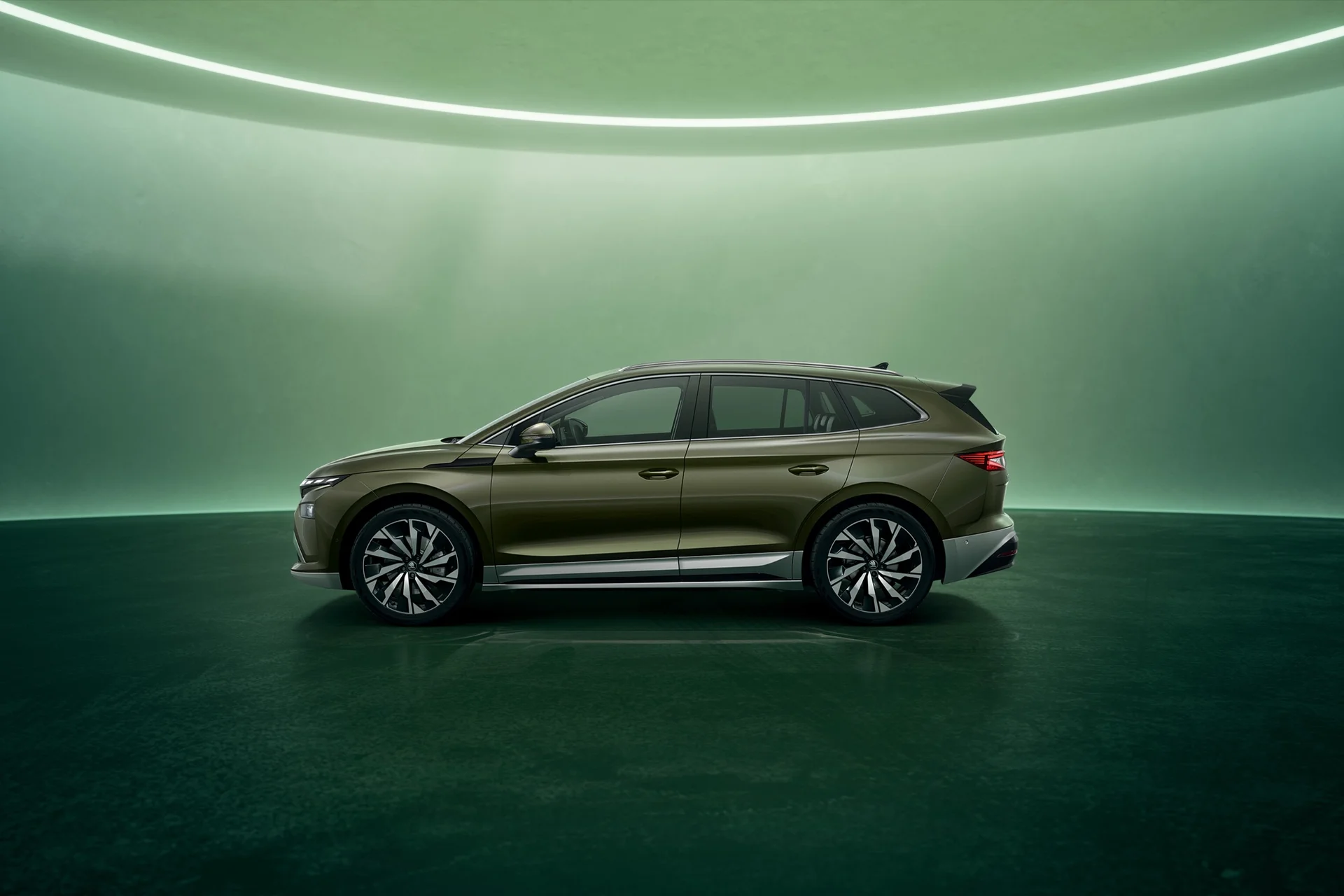
Green Skoda Enyaq in a studio, side view
Source: Skoda

The EU's plan for company car EV quotas is losing its teeth. The European Commission wanted binding national targets for electric and low-emission cars in large company fleets from 2030. The European Parliament's committees have voted to make them voluntary, and EU member states now look set to do the same.

Company cars matter more to the EV market than private buyers. According to the European Parliament, businesses buy 58% of new cars and 90% of new vans in the EU, and typically sell them after three to four years into the used market, where more than 80% of Europeans buy their cars. Yet only 17% of new corporate car registrations in 2025 were zero-emission, slightly below the EU average of 17.4%.

What the Commission proposed

The Clean Corporate Vehicles Regulation was part of the Commission's Automotive Package in December 2025. It covers large businesses, those with more than 250 employees and over €50 million in turnover, and sets each member state targets for the share of their new company cars and vans that must be zero- or low-emission. Low-emission means up to 50 g of CO2 per km, which in practice means plug-in hybrids. A separate, lower target covers fully electric cars on their own.

The targets differ by country, set by how far each market has already gone:

Country2030 zero and low emission2030 fully electric2035 zero and low emission2035 fully electric
Ireland, Netherlands, Belgium, Austria, Denmark90%58%95%95%
Germany, Finland83%54%95%95%
France, Italy69%45%95%80%
Czechia, Estonia55%36%76%64%
Poland, Greece, Portugal, Hungary48%31%67%56%

(Targets for corporate cars registered by large businesses, from the annex to the Commission's proposal of 16 December 2025. Selected countries.)

To put that in context, a German company registering 100 new cars in 2030 would be part of a national goal of at least 83 plug-in hybrids or EVs, 54 of them fully electric. Governments would choose how to get there, through company car tax, tolls or charging, and the obligation would fall on the country rather than on each business. From 2028, governments could also only subsidise company cars that are zero- or low-emission and "made in the EU", under criteria still to be defined.

Get the latest EV news and reviews straight to your inbox

Unsubscribe any time. See our privacy policy.

What Parliament and member states want instead

Parliament's environment and transport committees voted on 4 November, by 89 votes to 29 with four abstentions, to keep national targets for 2030 and 2035, ranging from 67% to 95%, but to make them "aspirational". That means no penalties for countries that miss them. MEPs kept the other side of the plan: each country would publish a national plan for cleaner company cars from 2028, and from 2028 public support would go only to zero- and low-emission company cars made in the EU.

Member states appear to be heading the same way on the targets. A compromise draft from the Irish Council presidency, prepared for a meeting of national officials on 23 November and reported in the German trade press, also turns the binding targets into voluntary goals. The draft differs on tax: it would still allow member states to support petrol and diesel company cars, where Parliament's three biggest groups and the Commission want support limited to clean cars from 2028. The Council hasn't published a position yet.

The Commission's idea was inspired by Belgium, where tax rules that favour electric company cars have pushed EV sales sharply higher. Without binding targets, other countries will be free to keep their own company car tax systems as they are.

What it means for drivers

If you drive a company car, nothing changes yet: company car tax stays a national decision either way. The bigger effect could come later, on the used market. The Commission's case for the targets was that a fleet switch would put many more three- or four-year-old EVs on sale, at used prices, across the EU. If you're thinking of going that way, our guide to buying a used electric car covers what to check.

The rules would apply in Ireland and the other 26 EU countries, but not in the UK, which sets its own company car tax.

What's next

Parliament is due to vote on its final position at its December 2026 plenary. Once the Council agrees its own, the two sides negotiate the final text with the Commission. The fleet rules are tied to the wider fight over the EU's car CO2 targets for 2035, also due in December's plenary: the Commission proposed a 90% cut instead of 100%, and Parliament's centre groups want 95%, or as little as 87.5% for carmakers using low-carbon European steel.