
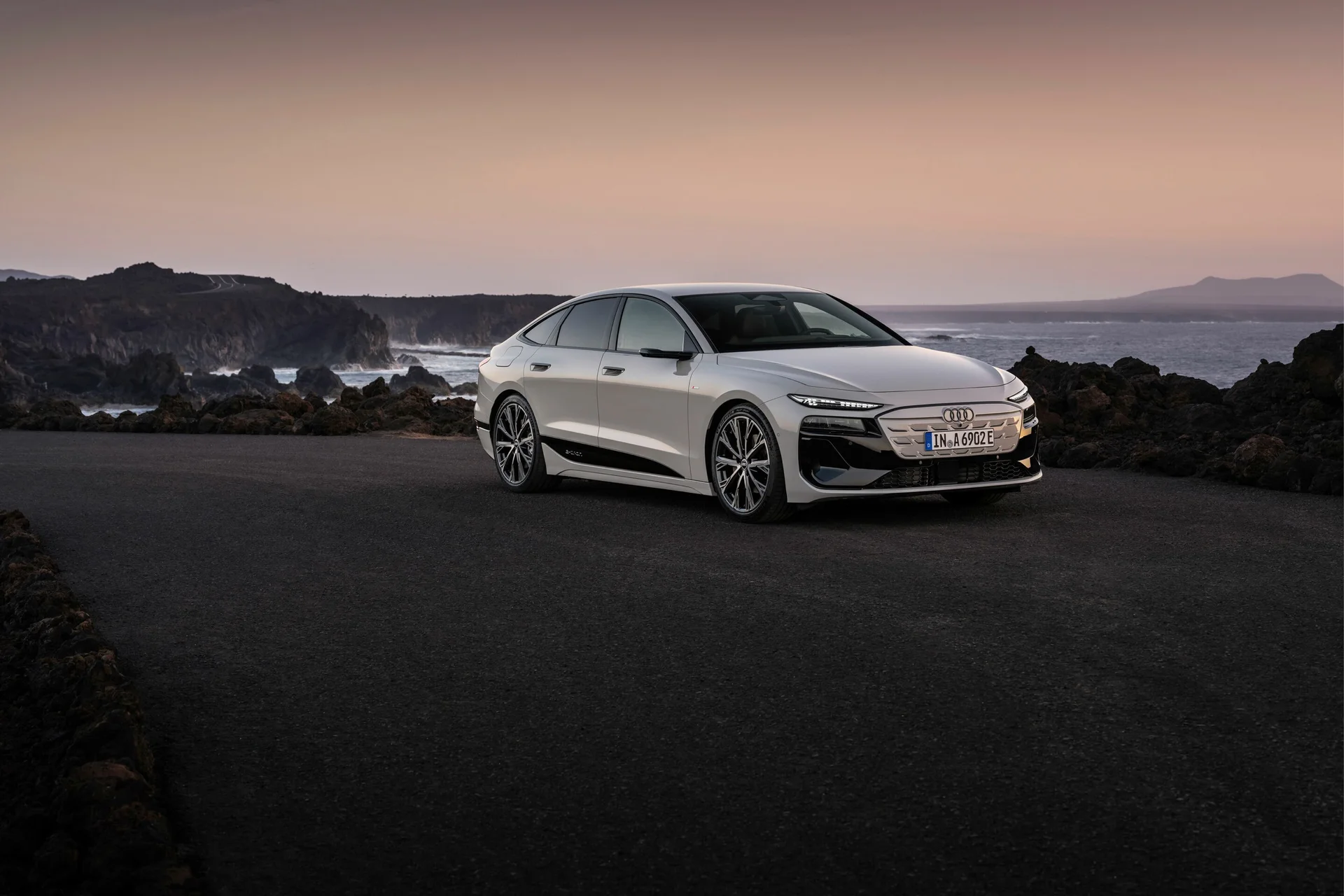
The electric Audi A4 has been pushed back again. Production of the Audi A4 e-tron, Audi's rival to the new BMW i3 and the electric Mercedes C-Class, won't start before March 2029, about a year later than planned, and people close to the project say it could slip into late April or May.
That's a long gap. As recently as this summer, Audi's technical chief Rouven Mohr confirmed a market launch in 2028. Now Audi faces up to three years without an electric car in the segment, while BMW and Mercedes sell theirs.
Why the A4 e-tron is late
The A4 e-tron will be the first car on the Volkswagen Group's Scalable Systems Platform (SSP), the architecture meant to underpin most of the group's next-generation electric cars. Volkswagen first described SSP in 2021, when the first model was due in 2026. If the A4 is first, the platform is now about three years behind its original schedule.
Several things have slowed it down. Audi asked for significant changes to SSP to make the electric A4 more like the petrol one, including separate footwells for rear passengers, which means moving the battery, and a 48-volt electrical system instead of the 12-volt one planned. Reports also point to technical problems and long decision-making within the group. Software has been a weak point for years: after problems at VW's in-house software company, Cariad, the group set up a joint venture with Rivian to build the software for its next generation of cars.
The platform itself is designed to be flexible. It supports 400-volt electrics for front-wheel-drive cars and 800-volt for rear-drive ones, with all-wheel drive possible, and VW Group has focused it on LFP batteries, with range-extender versions also an option. It uses a zonal electrical layout, with a few powerful computers instead of dozens of separate control units. The number of planned versions has been cut from eight to four to save money.