
UK electric car sales reached their highest share of the year in October, with 48,858 battery-electric cars registered, up 32.7% on a year earlier. That's 32.0% of a market that grew 5.4% to 152,730 cars, according to the Society of Motor Manufacturers and Traders (SMMT).
Without the electric growth, the month would have looked very different. Petrol fell 11.6% and diesel 15.9%, with diesel down to just 3.8% of the market. Plug-in hybrids rose 30.1% and overtook conventional hybrids, which fell 5.0%.
| Fuel type | October 2026 | Change | Share | Share, 2026 so far |
|---|---|---|---|---|
| Petrol | 56,876 | -11.6% | 37.2% | 41.1% |
| Battery electric | 48,858 | +32.7% | 32.0% | 26.6% |
| Plug-in hybrid | 22,898 | +30.1% | 15.0% | 14.1% |
| Hybrid | 18,287 | -5.0% | 12.0% | 13.7% |
| Diesel | 5,811 | -15.9% | 3.8% | 4.4% |
(Source: SMMT, new car registrations to the end of October 2026.)
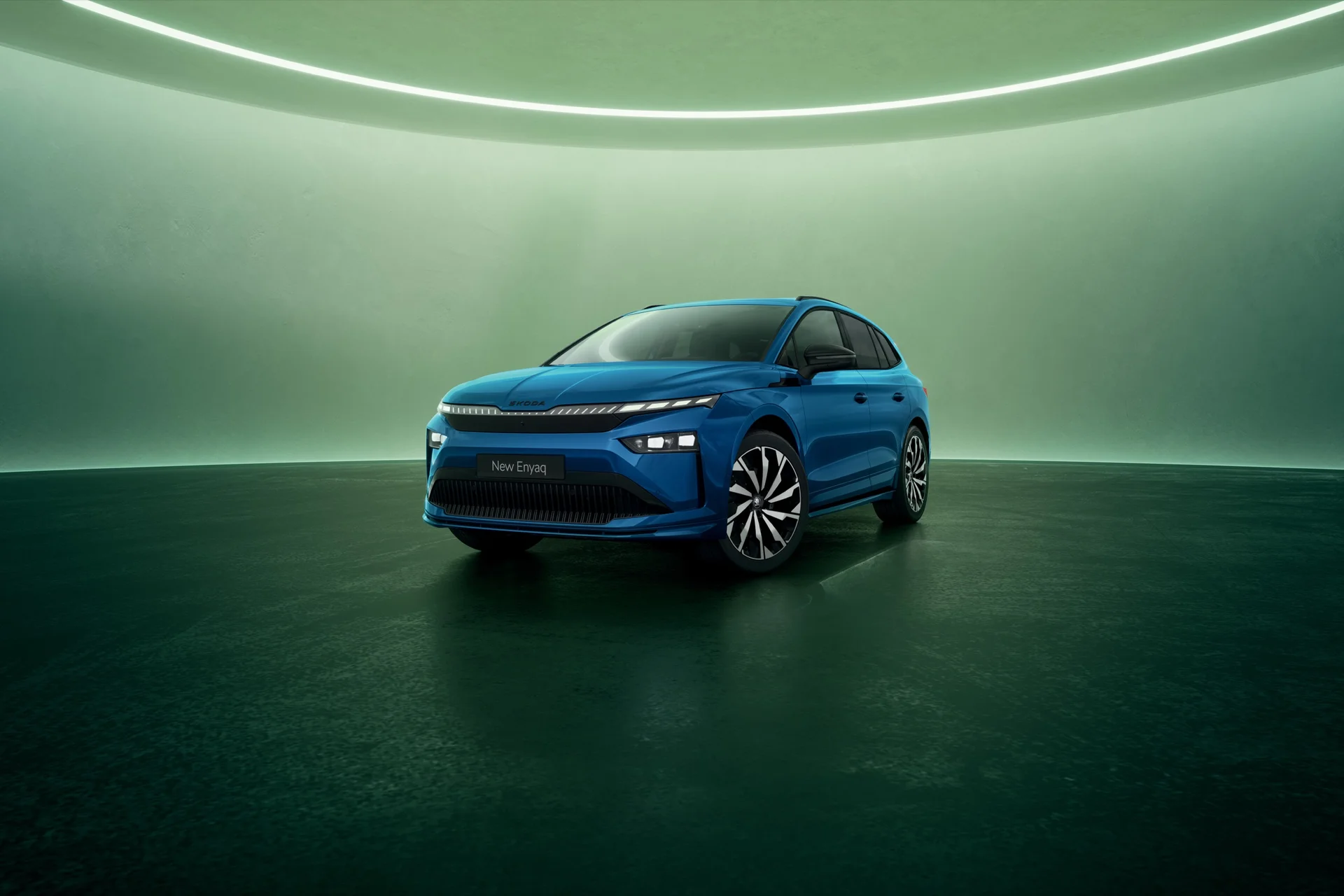
Skoda's Enyaq was the UK's best-selling EV of the month with 1,568 registrations, ahead of the Mini Countryman on 1,494 and the Jaecoo 5 on 1,465. The Vauxhall Frontera, Audi Q4 e-tron, BYD Seal, BMW iX3, Ford Puma, Kia EV3 and Leapmotor B10 made up the rest of the top 10. Tesla was missing from that list, with just 282 registrations after topping the EV charts in September.
UK electric car sales against the ZEV mandate
October's figure is close to this year's target of 33%, but the year as a whole isn't. Over the first 10 months, 503,805 EVs have been registered, up 30.4%, for a 26.6% share. The SMMT expects 27.2% for the full year, 5.8 points below the target.
It's forecasting a wider gap ahead: 32% in 2027 against a 38% target, and 37.5% in 2028 against 52%, a shortfall of 14.5 points. The current mandate then rises further, to 80% in 2030.
Those targets aren't quite what they seem, because manufacturers don't have to meet them through EV sales alone. Carmakers can convert CO2 savings on their petrol and hybrid cars into EV credits until 2029, borrow from future years and bank any surplus. In 2024, for example, the market reached 19.8% EV sales against a 22% target, but counted as 24.5% once those flexibilities were included. Any carmaker that still falls short after using them all faces a payment of £12,000 per car.
Discounting is the way most of them are closing the gap, and it's good news if you're buying right now. The Government estimates the extra discounting on EVs averaged about £2,800 per car in 2025, and the SMMT says carmakers are spending billions on discounts, low-rate finance and deposit contributions. Add the Electric Car Grant, worth up to £3,750, and there are some sharp deals around: a Kia EV2 with up to 275 miles of WLTP range starts at £24,245 after the grant.
That support is what the industry wants to change. The Government's review of the mandate closed its consultation on 23 October, and options in its document include cutting the 2030 target from 80% to 60%. A decision is expected shortly. The SMMT wants lower targets that better reflect demand, and it's unhappy about the new electric-only road tax planned for 2028 and the proposed retention of 20% VAT on public charging, while home electricity is currently VAT-free. If the targets do drop, carmakers will be under less pressure to discount their EVs, so anyone planning to buy soon may find today's deals don't last.