Older VW ID. and Skoda Enyaq EVs finally get battery preconditioning

Owners of early ID. and Enyaq models have waited years for this winter fix, and it's nearly here.

Published

Share:
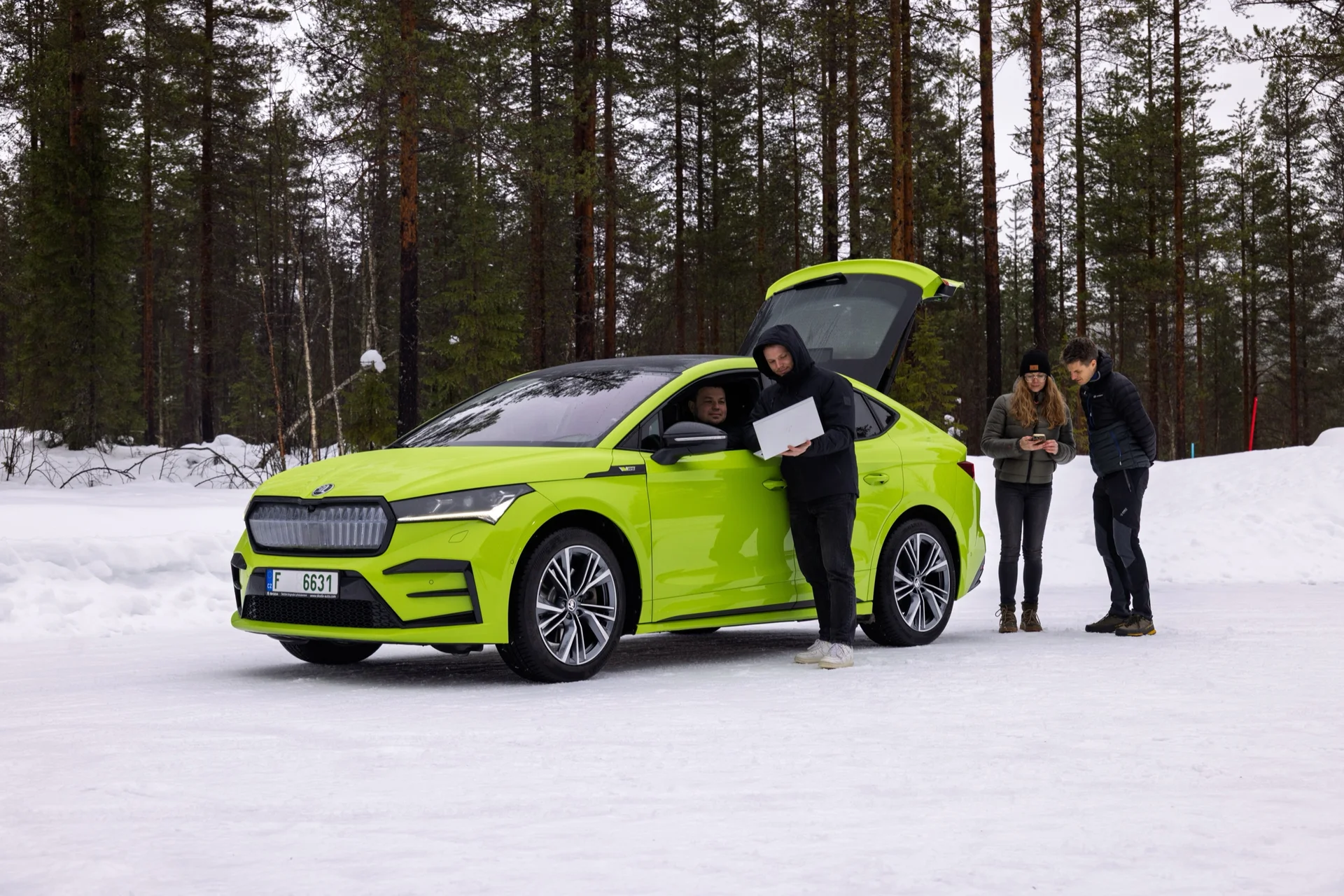
Skoda Enyaq in a snowy forest with engineers checking data beside it
Source: Skoda

ID.4 battery preconditioning is finally coming to the cars that shipped without it. Volkswagen has started rolling out ID. Software 3.9.1 to older ID. models, and Skoda is sending software 3.9 to every Enyaq built up to the end of 2023, so owners can warm the battery before a rapid charge for the first time.

It's a bigger deal than the version numbers suggest, and it arrives at the right moment. A cold battery can't accept full charging power, so the charging stops on a winter trip are where these early cars have been at their worst. Newer VW Group EVs on software 4 and later already warm the battery themselves when you set a charger as your destination, which has made the omission more noticeable. Skoda says around 200,000 Enyaqs are affected by its update alone.

How the update works on a Skoda Enyaq

Skoda's update is software 3.9, and it covers cars from the start of Enyaq production until the end of 2023. Cars built around the turn of 2023/2024 onwards already have the function. It arrives in waves over the air, with the first of two updates starting in calendar week 47 (from 16 November) and the second in week 49 (from 30 November), and more waves after that. If your car isn't offered it straight away, Skoda's advice is simply to wait.

What you need to do depends on the software you have. Cars on 3.8 are offered the update automatically. Cars on an older 3.x version need to get to 3.8 first, which can be done online, while cars on 2.x have to go to an authorised service centre. You can check under Inspect, then Car details, in the MyŠkoda app. From 3.8 there are two installs: one prepares the car and the second adds the function. Skoda says the job involves changes to the car's three main control units, covering the vehicle, the battery and the infotainment system, which goes some way to explaining the wait.

Get the latest EV news and reviews straight to your inbox

Unsubscribe any time. See our privacy policy.

ID.4 battery preconditioning: which VW models get it

On the Volkswagen side, 3.9.1 is for ID. models still on generation 3 software. That means the ID.3, ID.4 and ID.5 from the early years, along with early ID. Buzz vans. Reports differ on the exact build cut-off for the ID.3, and Volkswagen's update notes don't list models or dates, so go by your software version rather than your build year. Cars on 4.x and 5.x get their own updates and already have preconditioning.

To get it, your car needs software 3.7 or newer, and older cars should install any earlier updates first. You'll also need an active VW Connect or We Connect contract, data transmission consent and at least 50% charge. The car can't be driven or charged while it installs. The rollout is staged and free, and the car tells you when it's ready, after which you approve the download in the software app. Check your version under Setup and System information, or in the ID. Software tile. It can't be rolled back, and it's needed for future over-the-air updates.

Volkswagen's notes list some useful extras: better battery cooling after rapid charging, fixes for AC charging power dropping unexpectedly, more reliable solar surplus charging, more reliable door handles in bad weather and a new warning if the battery is losing charge unusually fast. Owners of converted cars, such as taxis, are advised not to install it over the air and to talk to a Volkswagen partner instead.

Volkswagen's notes don't mention the Cupra Born, which shares its platform with the ID.3, so Born owners should ask their dealer.

How to use it before a rapid charge

This is a manual function. There's no automatic version that starts when you set a charger in the sat nav, so you have to plan a little, and on both cars it's a matter of pressing a button on the screen before a planned stop.

On the Enyaq, you'll find it on a new Optimising rapid charging screen in the charging section, under the Optimise tab. The Start battery heating button only works when the battery is below 20°C, and the car needs to be switched on. The target is about 25°C, which Skoda says you won't reach through normal driving in cold weather, and it takes about 30 to 40 minutes depending on conditions.

So Skoda's advice is to press the button about 45 minutes before you want to charge, ideally while you're already driving towards the charger. The same screen shows the charging power currently available and there's a separate app for battery temperature, so you can see whether it's working. There's no need to use it for AC charging at home or on a public post, because slower charging doesn't need a warm battery.

Skoda hasn't published figures for how much time this saves, so it's worth comparing a charge with and without it on a cold day. If your first rapid stop of the day comes less than half an hour after setting off, you'll have to start preheating almost as soon as you leave, or accept that the battery won't be fully up to temperature when you arrive.