Prices and equipment
| Market | Raval VZ | A290 GT Performance | A290 GTS |
|---|
| Germany | €39,990 | €40,200 | €43,400 |
| Netherlands | €39,990 | €42,400 | €45,200 |
| Ireland | €36,825 | €38,990 | €42,500 |
| UK | £33,495 | £32,745 | £34,245 |
(Prices correct at 8 November 2026. Irish prices include the €3,500 SEAI grant. UK prices include the Electric Car Grant, which is £1,500 for the Raval and the full £3,750 for the A290; before the grant, the Raval VZ costs £34,995 and the A290 GT Performance+ and GTS+ £36,495 and £37,995. Dutch prices include delivery costs.)
Where you live makes a surprising difference here. In mainland Europe and Ireland the Raval VZ is the cheaper car, although the gap moves around a lot: it costs the same €39,990 in Germany and the Netherlands, which is only €210 less than the A290 GT Performance in Germany but €2,410 less in the Netherlands. In Ireland you'd save €2,165.
In the UK it's the other way round. The A290 qualifies for the full £3,750 Electric Car Grant, while the Raval only gets the lower £1,500 rate, so once the grant comes off, the A290 GT Performance+ is £750 cheaper than the Raval VZ. Even the better-equipped GTS+ is just £750 more than the Cupra.
You don't have to add much to either car. The Raval VZ comes with 19-inch copper alloys, adaptive dampers, an electronic limited-slip differential and Cupra's Dinamica bucket seats, and Irish cars also get a rear-view camera and heated front seats. The Sennheiser sound system and Matrix LED headlights are in optional packs, though.
Every A290 has 19-inch wheels, Brembo front brakes, a heat pump, vehicle-to-load and a rear camera, and in most markets you also get heated front seats and parking sensors front, rear and on the sides. Equipment varies by country, so it's worth checking the specification where you buy. The GT Performance adds the 220 PS motor, stickier Michelin Pilot Sport 5S tyres and Alpine's telemetry system, and the GTS builds on that with a nine-speaker Devialet sound system, nappa leather, a heated steering wheel and wireless phone charging.
If you don't need 220 PS, the 180 PS A290 GT starts at £30,245 in the UK, €36,690 in Ireland and €37,000 in Germany. There are cheaper Ravals too, which we cover in our Cupra Raval review.
Range and charging
If you do a lot of long trips, the Cupra has a small edge. Cupra quotes a WLTP range of about 380 km for the VZ on its standard 19-inch tyres, or up to 239 miles on UK cars, against 362 km (226 miles) for the 220 PS A290. A gap of around 18 km is unlikely to change how you use either car, though.
Their efficiency is just as close, at 16.2 kWh/100 km for the Raval and 16.6 kWh/100 km for the A290, so the Alpine's lower weight doesn't buy it a better official figure.
Where the Raval pulls ahead is at a rapid charger. Cupra quotes 24 minutes from 10% to 80% on a 105 kW charger, while Alpine quotes 30 minutes from 15% to 80% with a 100 kW peak, so the Cupra adds more charge in less time on a long day's driving.
At home there's nothing in it. Both take up to 11 kW on a three-phase supply, and on the 7 kW single-phase wallbox most homes have, either will charge fully overnight. One point in the Alpine's favour is vehicle-to-load as standard, so you can run a laptop or camping kit from the car; on the Raval, it's part of the EDGE pack.
Performance
There's very little to separate them on power. The Raval VZ makes 166 kW (226 PS) and 290 Nm of torque, the A290 160 kW (220 PS) and 300 Nm, and both drive the front wheels.
Even so, the Alpine is the quicker car, getting from 0-100km/h in 6.4 seconds against the Cupra's 6.8 seconds, largely because it weighs 161 kg less at 1,554 kg. The Raval's top speed is slightly higher, at 175 km/h against 170 km/h.
Bear in mind that the A290 only gives you its full output in Sport mode. In Normal it's reined back to around 190 PS, and in Save to around 156 PS, which helps the range but blunts the performance you've paid for.
Braking is where Alpine has spent its money. The A290 has Brembo four-piston front calipers on 320 mm discs, while the Raval VZ puts its effort into the tyres and the differential instead: wider 235/40 R19 tyres, against the Alpine's 225/40 R19 Michelin Pilot Sport 5S, and an electronic limited-slip differential that sends drive to the front wheel with more grip as you power out of a tight corner. The A290 does a similar job with torque vectoring, which brakes the inside front wheel to help it turn.
Driving and comfort
Both cars are set up to be fun first, but they go about it differently, and the Raval gives you far more say over the balance between sport and comfort.
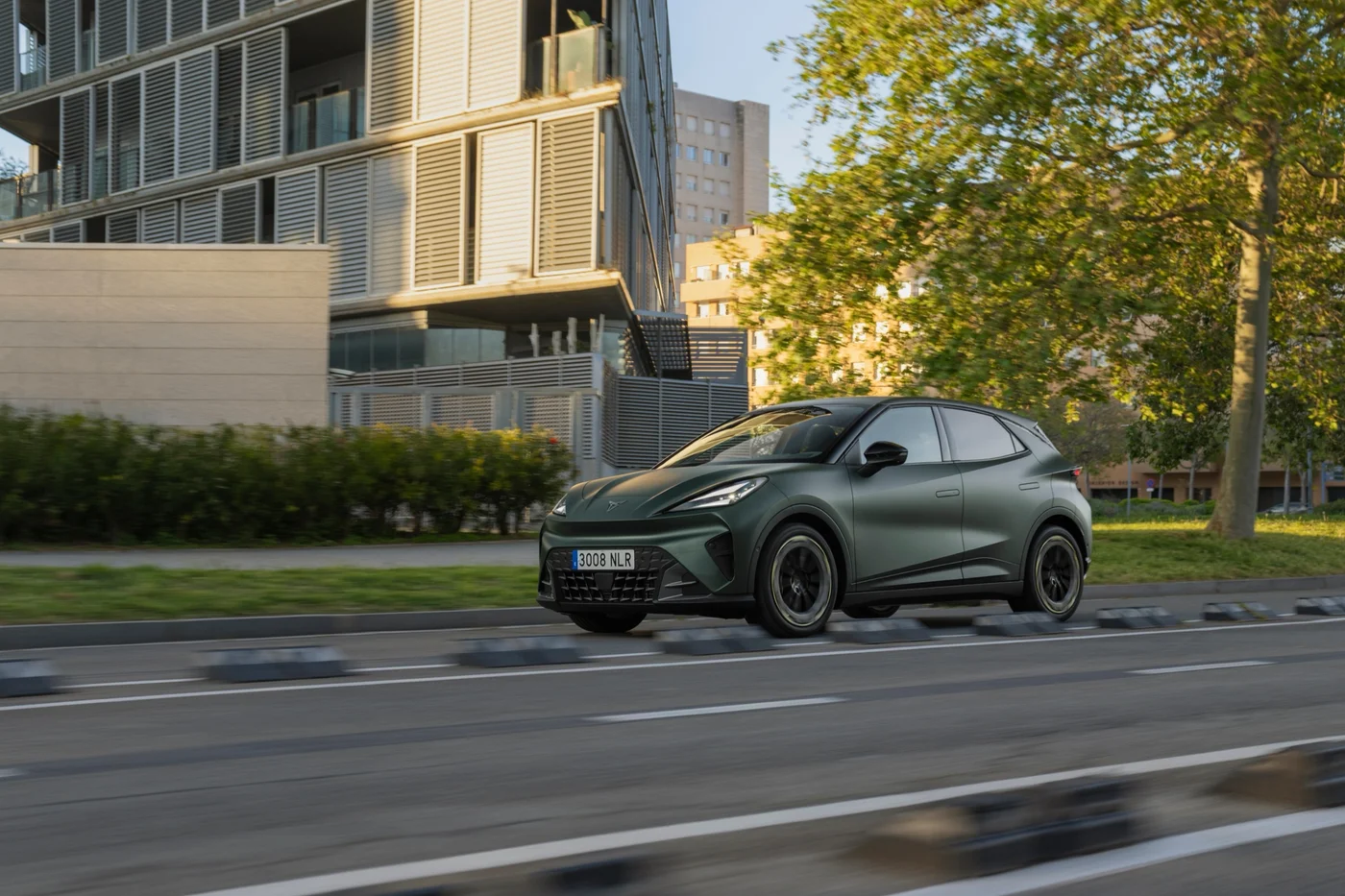
That comes down to its suspension. The VZ has Cupra's DCC Sport adaptive dampers, up to 5% stiffer than the standard setup, and every Raval sits 15 mm lower with a 10 mm wider track than the other small cars on its platform. Choose CUPRA mode and the dampers firm up to cut body roll, or go into Individual mode on the touchscreen and pick the stiffness yourself, from 15 settings. There's also an ESC Sport mode that lets the car move around a little more before the stability control steps in.
The A290 doesn't have adaptive dampers, so its ride is the same in every mode. Instead, Alpine fitted a multi-link rear suspension and hydraulic bump stops, which soften the impact when the suspension reaches the end of its travel over big bumps. Its four drive modes, Save, Normal, Sport and Perso, are chosen from a button on the steering wheel or on the touchscreen. Sport sharpens the throttle and makes the steering heavier, and Perso lets you set the steering, throttle response, ambient lighting and Alpine's synthetic driving sound separately. If you leave it in Sport when you switch off, it goes back to Normal next time you start it.
You also get more hands-on control of regenerative braking in the Alpine. A dial on the steering wheel marked RCH has four settings, from coasting freely to strong regen. In the Raval you choose from several regen levels with the gear selector, and B mode gives you one-pedal driving right down to a stop.
Road tests have been kind to both. The Raval VZ's handling is widely praised, and its ride on 19-inch wheels is generally described as firm but forgiving: settled at motorway speeds, if a little fidgety around town. The most common criticism is steering that's light on feedback.
The A290 gets similar praise for its sharp steering and how confidently it handles a twisty road. Its ride is usually described as firm but well damped rather than harsh, although it can get busy on broken surfaces, and the Renault 5 it's based on is the more comfortable car. If most of your driving is on bumpy roads, the Raval's ability to soften its dampers gives it the edge.
Size and practicality
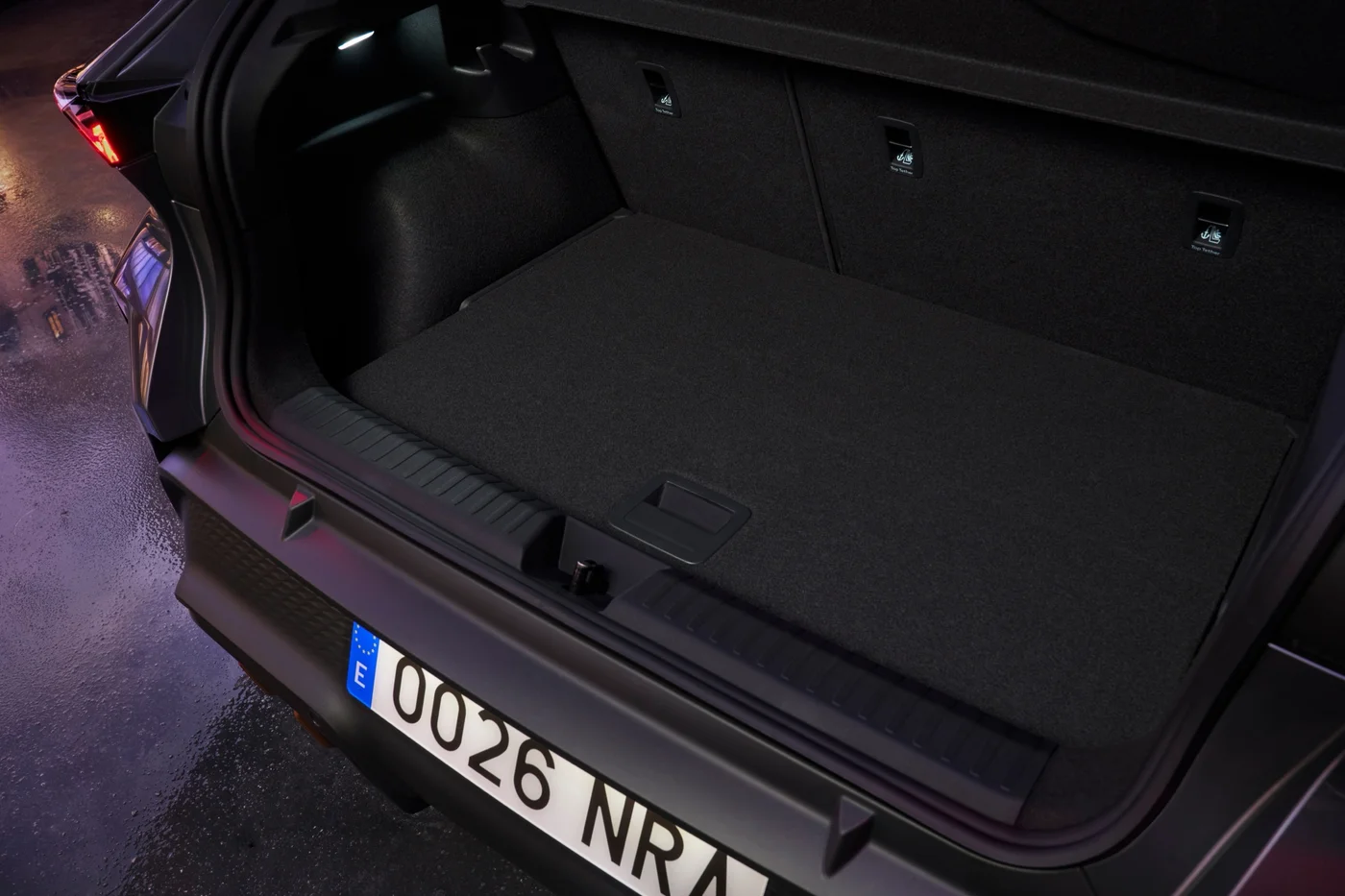
This is where the Raval really earns its keep. Its 441-litre boot is 115 litres bigger than the A290's 326 litres, and if you go for the GTS, its Devialet subwoofer takes the Alpine down to 300 litres. For a weekly shop, a buggy or a couple of suitcases, that difference matters.
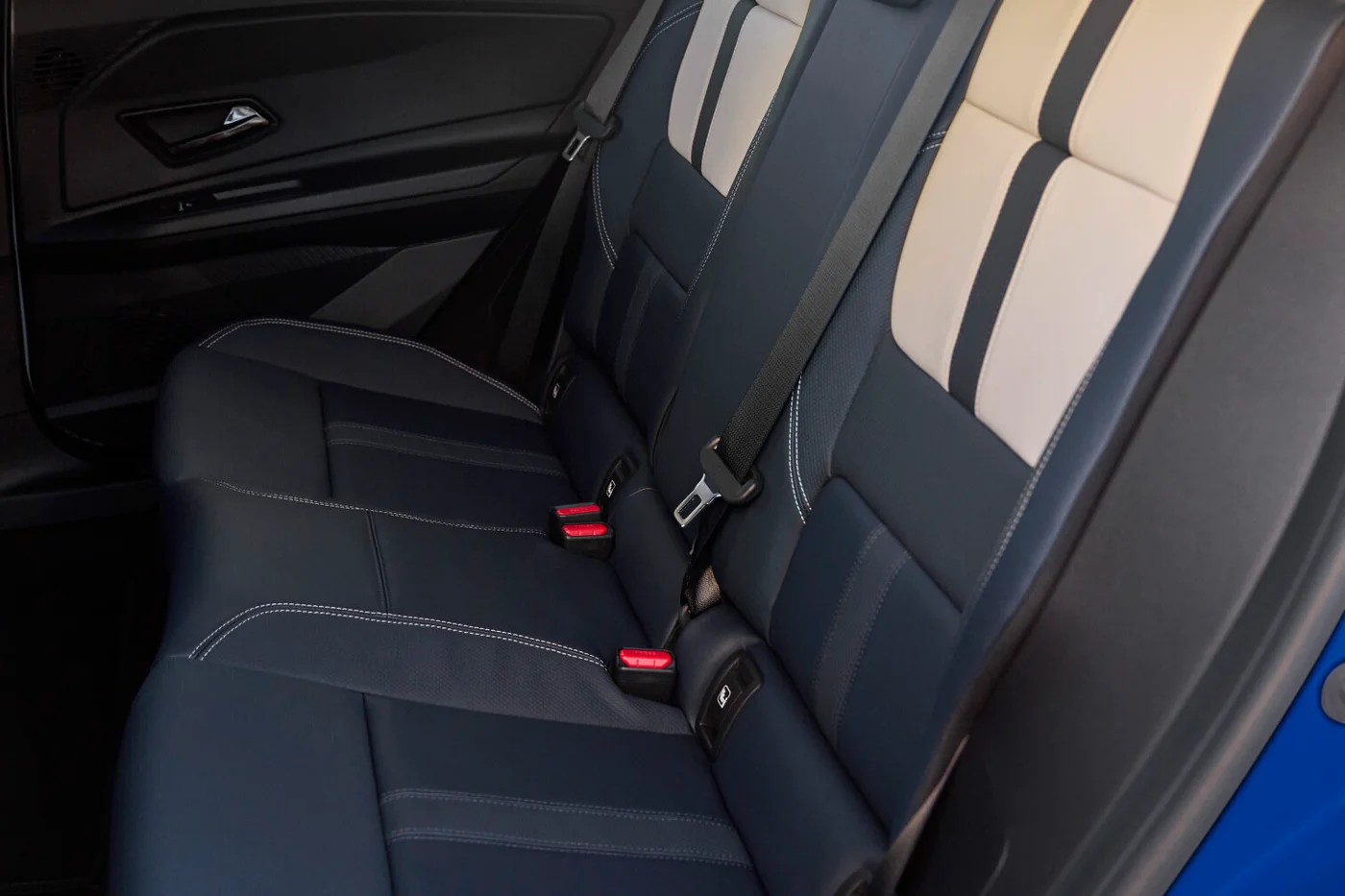
The Raval is also slightly longer, at 4,046 mm against 3,997 mm, and its wheelbase is 65 mm longer, which helps rear legroom. The A290 is the wider of the two, at 1,823 mm against 1,784 mm without mirrors, and they're almost exactly the same height.
If you tow, there's no contest: the Raval VZ can pull a 1,200 kg braked trailer, while the A290 is limited to 500 kg. The Alpine claws something back in town with a tighter turning circle, 10.3 metres against 11 metres, which helps in multi-storey car parks.
Tech and interior
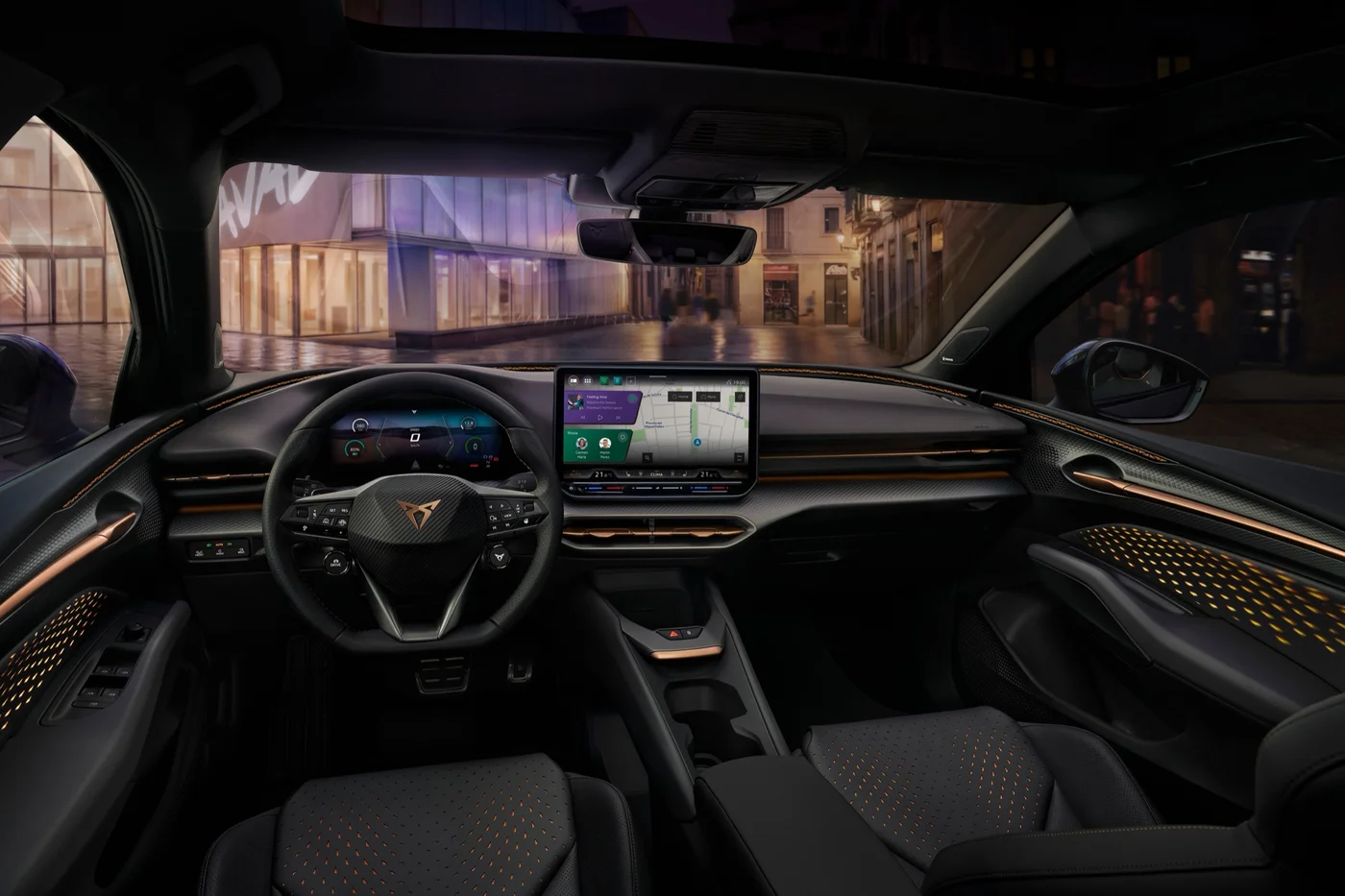
Cupra gives you the bigger central screen: the Raval has a 12.9-inch touchscreen next to a 10.25-inch digital instrument display, with wireless Apple CarPlay and Android Auto. The VZ's Dinamica bucket seats, with more side support than the standard Raval seats, are what really set its cabin apart.
The A290 makes do with a 10.1-inch touchscreen and a 10.3-inch instrument display, but it runs Google's built-in apps, including Google Maps, as well as wireless CarPlay and Android Auto. Its cabin is the more distinctive of the two, with a blue and grey dashboard, a nappa leather steering wheel carrying the drive mode and regen controls, and gear selector buttons on the centre console, as in the Alpine A110.
On the GT Performance and GTS, Alpine's telemetry system shows driving data on the touchscreen. As for driver assistance, both cars come with automatic emergency braking, lane keeping assistance and traffic sign recognition.
Safety
If safety ratings matter to you, the Raval has the better result. It scored five stars from Euro NCAP under the stricter 2026 rules when fitted with Cupra's Safety Pack, which is standard on the VZ, with 91% for crash protection, 77% for crash avoidance, 72% for safe driving and 95% for post-crash safety.
The A290 has four stars from 2024, based on tests of the closely related Renault 5: 80% for adult and child occupant protection, 76% for vulnerable road users and 68% for safety assist. The two ratings come from different test protocols, so you can't compare the percentages directly.
Which should you buy?
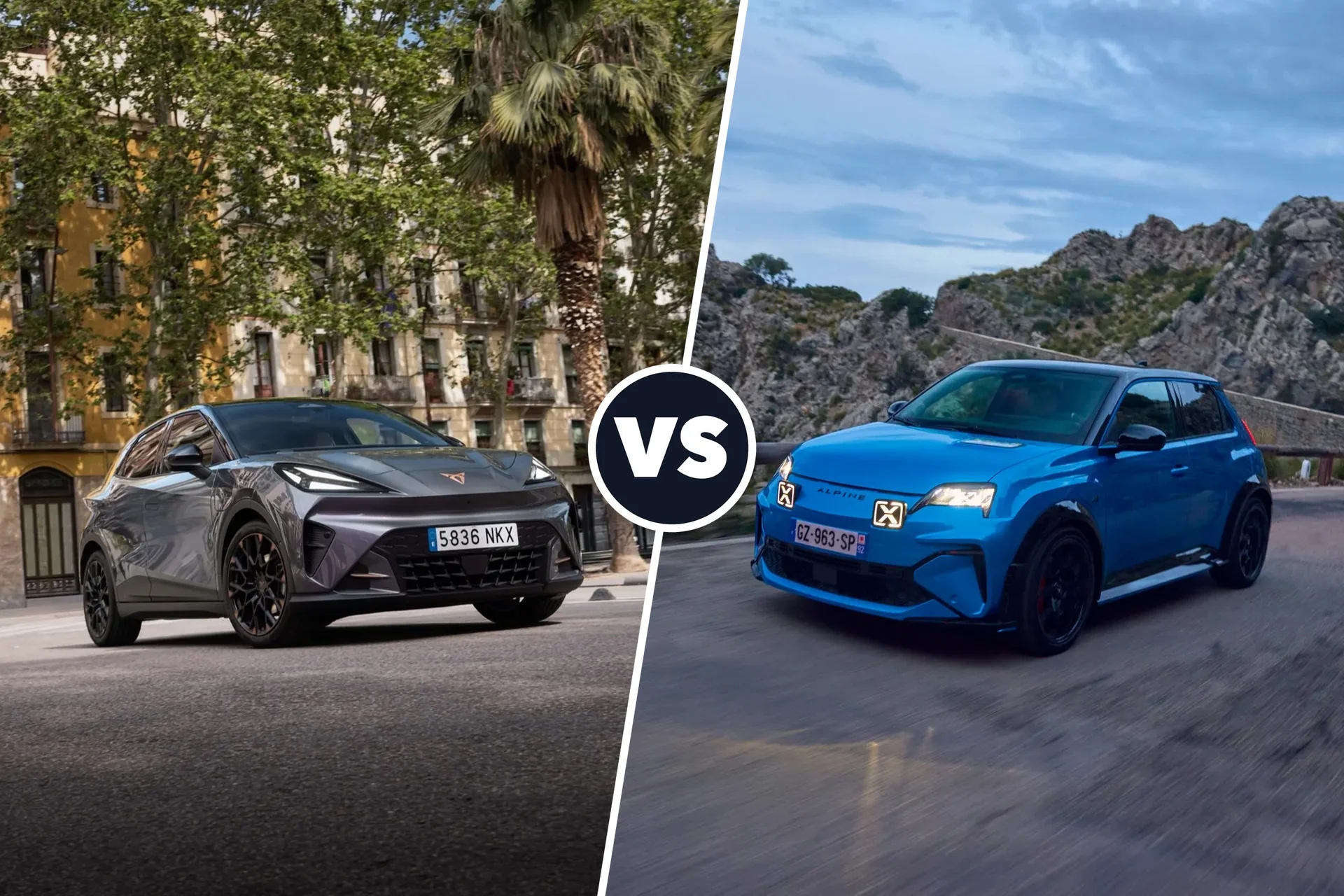
Buy the Cupra Raval VZ if it's going to be your only car. You get the much bigger boot, the longer range and the faster charging, it can tow, you can soften the suspension when you're not in the mood, and it's the cheaper choice in Ireland and most of Europe. Its adaptive dampers and limited-slip differential are proper performance hardware, too.
Buy the Alpine A290 if you want the more focused car and you'll use its extra performance. It's lighter and quicker, it has the stronger brakes and the more special cabin, and in the UK the full Electric Car Grant makes the GT Performance+ the cheaper car.
For most buyers, we'd pick the Raval VZ. The A290 has the better story and the lighter, quicker package, but the Cupra matches it on power, beats it on space and charging, and costs less almost everywhere outside the UK. You can compare them side by side in our EV database.
Cupra Raval VZ: strengths
- 441-litre boot
- Faster charging and longer range
- Adaptive dampers you can set yourself
- Five-star Euro NCAP rating
Cupra Raval VZ: weaknesses
- Heavier and slower to 100 km/h
- Only the lower £1,500 grant in the UK
- Sound system and Matrix LED headlights cost extra
Alpine A290: strengths
- Lighter and quicker
- Brembo brakes and torque vectoring on every version
- Full £3,750 grant in the UK
- Heat pump and vehicle-to-load as standard
Alpine A290: weaknesses
- 326-litre boot, or 300 litres with the Devialet audio
- No adaptive dampers
- Four Euro NCAP stars and a 500 kg towing limit
FAQs
Which is faster, the Cupra Raval VZ or the Alpine A290?
The Alpine. The 220 PS A290 gets from 0-100km/h in 6.4 seconds and the Raval VZ in 6.8 seconds, although the Raval's top speed is higher, at 175 km/h against 170 km/h.
Which is more comfortable?
The Raval, if you set it up that way. Its adaptive dampers can be softened in Individual mode, while the A290's fixed suspension is firm in every mode, although road tests describe both cars' rides as firm rather than harsh.
Is the Cupra Raval VZ cheaper than the Alpine A290?
In Ireland, Germany and the Netherlands, yes: the Raval VZ costs €36,825 in Ireland with the SEAI grant, against €38,990 for the A290 GT Performance. In the UK it's the other way round, because the A290 gets the full £3,750 Electric Car Grant, so it costs £32,745 against £33,495 for the Raval VZ.